
Fitness
Thick vs Fat vs Chubby: The Complete Guide to Understanding the Differences


chubby vs fat Understanding thick vs fat vs chubby can be useful for English learners because these words may all relate to body size, but they do not communicate exactly the same idea. The difference is not only about physical description. Tone, context, culture, and the relationship between speakers can also affect how each word is understood.
Thick is often used informally to describe a fuller or curvier body shape. Fat is a direct word referring to having a larger amount of flesh or body fat and can be sensitive when used about a person. Chubby generally suggests a soft, rounded appearance and is especially common when describing children or features such as cheeks. Cambridge defines “chubby” as a pleasant or attractive form of being fat, particularly for children.
Because these words carry different associations, choosing the right one matters. A word that sounds positive in one conversation may feel uncomfortable or insulting in another.
Thick vs Fat vs Chubby: Quick Difference
Although thick, fat, and chubby can overlap, their usual meanings are different.
| Word | Main idea | Typical tone | Common use |
|---|---|---|---|
| Thick | Fuller or curvier body shape | Often positive or informal | Mostly adults |
| Fat | Larger amount of flesh or body fat | Direct and potentially sensitive | General description |
| Chubby | Soft, rounded, or plump appearance | Often gentle or affectionate | Children, cheeks, and casual descriptions |
The main distinction is that thick often emphasizes shape, while fat directly describes body size or flesh, and chubby emphasizes softness or roundness.
The word “fat” itself has a straightforward dictionary meaning. Cambridge defines the adjective as having a lot of flesh on the body, while “fat” as a noun can refer to the substance under the skin that stores energy and helps keep the body warm.
What Does Thick Mean?

The word thick has many meanings in English. It can describe something with a large distance between two sides, dense hair, a thick liquid, or heavy fog. Cambridge lists these general meanings, while informal usage has also developed a body-related meaning.
When used to describe a person’s body, thick often refers to a fuller, curvier, or more substantial shape. In informal modern English, it can suggest noticeable hips, thighs, or other rounded proportions.
The related slang spelling “thicc” became widely associated with a full-figured, curvy body shape. Dictionary.com describes it as an informal slang term and notes that its usage developed through Black slang and later spread more widely through popular and online culture.
What Can Thick Suggest?
Depending on context, someone described as thick may be imagined as having:
- Fuller thighs
- Wider hips
- A curvier shape
- A fuller figure
- A strong or substantial build
For example:
“She has a thick figure and an athletic build.”
The sentence focuses more on body shape than on a specific measurement of body fat.
Is Thick a Compliment?
In many informal conversations, thick can be intended positively, particularly when the speaker is talking about curves or a fuller figure. However, that does not mean everyone will interpret it as a compliment.
Dictionary.com notes that some people use “thick” as a body-positive term, while others may experience it as objectifying or overly focused on appearance.
That is why context matters. A close friend may use the word casually, while a stranger using the same word toward someone could make the conversation uncomfortable.
What Does Fat Mean?
Fat is the most direct of the three words when describing body size.
As an adjective, Cambridge defines it as having a lot of flesh on the body. As a noun, it can refer to body fat, the substance beneath the skin that stores energy and helps with insulation.
For example:
- “Body fat stores energy.”
- “The doctor discussed body-fat levels.”
- “The animal has a layer of fat.”
These examples show that fat can be a neutral scientific or descriptive term when the context is appropriate.
The difficulty comes when the word is directed at another person as a personal description.
Is Fat Always an Insult?
No. The word itself is not automatically an insult. However, calling someone “fat” can sound blunt or judgmental, depending on the situation.
Oxford Learner’s Dictionaries specifically notes that “fat” is a common and direct word for describing a person but that it is generally not considered polite to tell someone directly that they are fat. It also identifies alternatives such as “overweight” or “large” as less direct choices in some contexts.
The meaning and emotional effect can depend on:
- Who is speaking
- Who is being described
- The relationship between them
- The speaker’s intention
- The tone
- The surrounding conversation
For example, discussing body fat in a medical or scientific context is very different from using “fat” as an insult during an argument.
Fat in Medical and Scientific Language
In health, biology, and nutrition, fat has an established technical meaning. Body fat is a normal part of human biology and performs important functions, including energy storage and insulation.
Therefore, the word should not automatically be treated as offensive in every context. The important difference is between discussing a physical or biological concept and using the word as a judgment about another person.
What Does Chubby Mean?
Chubby generally describes someone or something that is pleasantly round, soft, or plump.
Cambridge particularly associates the word with children and examples such as chubby cheeks and chubby legs.
For example:
“The baby has chubby cheeks.”
This normally sounds affectionate rather than harsh.
The word can also describe animals or particular body features. However, when used for adults, reactions can vary because some adults may not appreciate being described in terms of their body size.
Why Does Chubby Sound Different From Fat?
The difference between chubby and fat is partly about tone.
“Chubby” tends to create an image of softness and roundness. “Fat” is more direct and focuses more clearly on body size or flesh.
Compare these examples:
- “The baby has chubby cheeks.” — affectionate
- “The puppy has chubby legs.” — gentle
- “He is fat.” — direct and potentially sensitive
- “The doctor measured body fat.” — technical or medical
Cambridge lists “chubby” alongside words such as “fat,” “overweight,” “obese,” and “plump,” showing that these terms can overlap in meaning while carrying different levels of tone and usage.
Thick vs Fat vs Chubby: Detailed Comparison
A side-by-side comparison makes the differences easier to understand.
| Feature | Thick | Fat | Chubby |
|---|---|---|---|
| Main focus | Body shape | Body size or flesh | Soft roundness |
| Typical context | Informal | General or technical | Casual and affectionate |
| Common for adults | Yes | Yes | Sometimes |
| Common for children | Less common | Possible but sensitive | Very common |
| Can be positive? | Often, depending on context | Depends heavily on context | Often, especially for children |
| Emotional sensitivity | Moderate | High in personal descriptions | Moderate |
| Related idea | Curvy/full-figured | Larger amount of flesh/body fat | Plump/rounded |
The table shows why these words should not be treated as perfect synonyms.
Thick vs Chubby: Are They the Same?
Thick and chubby are related, but they are not identical.
Someone described as thick is often being described in terms of body shape or proportions. The word may suggest curves or a fuller figure.
Someone described as chubby is more likely to be imagined as soft, rounded, or slightly plump.
For example, a person with prominent curves and a strong build might be called thick in informal speech. A small child with round cheeks might naturally be described as chubby.
There can be overlap, but the mental image created by each word is different.
Thick vs Fat: What Is the Main Difference?
The simplest distinction is:
Thick usually emphasizes shape.
Fat more directly emphasizes body size or flesh.
Two people can have similar body weights but completely different body shapes because body composition and the distribution of muscle and fat can vary.
This is one reason why “thick” and “fat” are not interchangeable in everyday conversation.
The informal body-related use of “thick” also has a cultural history. Dictionary.com notes that the term developed as slang associated with a fuller, curvier body type and later became more widely used online and in popular culture.
How Context Changes the Meaning
Words rarely work in isolation. The surrounding situation can completely change how a description sounds.
Consider these examples:
| Sentence | Likely context |
|---|---|
| “The baby has chubby cheeks.” | Affectionate |
| “She has a thick figure.” | Informal appearance description |
| “The doctor measured body fat.” | Medical or scientific |
| “He called someone fat during an argument.” | Potentially insulting |
| “She describes herself as fat.” | Personal identity or self-description |
The speaker’s intention is important, but it is not the only factor. The listener’s preferences and experiences also matter.
Common Mistakes When Using Thick, Fat, and Chubby
English learners sometimes choose these words based only on dictionary definitions. That can create awkward or unintended meanings.
Mistake 1: Assuming All Three Words Mean Exactly the Same Thing
They overlap, but their emphasis differs.
- Thick often focuses on shape.
- Fat directly describes body size or flesh.
- Chubby emphasizes a soft or rounded appearance.
Mistake 2: Using Body Descriptions Without Considering the Person
Not everyone wants their appearance discussed.
Even a word intended as a compliment may feel uncomfortable if the person does not want attention focused on their body.
Mistake 3: Assuming Everyone Likes the Word Thick
Some people use thick proudly, while others may dislike it or consider it too focused on their appearance.
Dictionary.com specifically notes that reactions to the term can differ, including interpretations involving objectification.
Mistake 4: Using Fat Too Casually
“Fat” has a legitimate descriptive and scientific meaning, but directly telling someone that they are fat can sound blunt.
When the purpose is respectful communication, it is often better to choose a more precise term.
Better Alternatives for Describing Body Types
Sometimes the best option is not to use any of these three words.
The appropriate alternative depends on what you are actually trying to communicate.
| Purpose | Possible wording |
|---|---|
| Describing curves | Curvy |
| Describing fitness | Athletic, strong, muscular |
| Describing general size | Larger, fuller |
| Medical discussion | Body fat, body composition |
| Discussing weight neutrally | Higher body weight |
| Describing a broad build | Broad, solidly built |
“Curvy,” for example, specifically refers to a body with rounded parts, particularly around the hips and breasts.
The key is to describe the feature that actually matters rather than using a broad label.
How Native Speakers Understand These Words
Native speakers usually interpret body-related words through context.
They may consider:
- Who is speaking
- Who is being described
- Why the word is being used
- Whether the conversation is formal or casual
- Whether the speaker and listener know each other
- The tone of voice
- The culture or community involved
For example, a friend saying “You look thick” may be interpreted differently from a stranger making the same comment.
Written communication can be even more complicated because there is no facial expression or tone of voice to clarify the intention.
Cultural Influence on Body-Related Words
Body terminology changes over time and across communities.
The modern use of thick is a good example. Dictionary.com describes its connection with Black slang, hip-hop culture, and later internet usage. The term has also become associated with changing ideas about fuller and curvier body types.
At the same time, different communities may interpret the same word differently.
A word that feels empowering to one person may feel objectifying to another. This is one reason there is no universal rule that says a particular body-related word is always positive or always negative.
Which Word Should English Learners Use?
If English is not your first language, a cautious approach can help.
Use “chubby” carefully
It is particularly common for children, babies, cheeks, hands, and similar features. Cambridge specifically highlights its use with children.
Use “thick” according to context
It is an informal term whose body-related meaning can suggest a fuller or curvier shape. It is not appropriate in every formal situation.
Be careful with “fat”
The word has a legitimate biological and descriptive meaning, but directly calling another person fat can sound insensitive.
Choose neutral language when unsure
Words such as fuller, curvy, athletic, larger, or broad may communicate the intended idea more precisely, depending on the situation.
The Importance of Respectful Language
Body descriptions are personal. Even when a word is technically accurate, it may not be the best choice for a particular conversation.
A useful principle is to think about purpose before vocabulary.
Ask yourself:
- What exactly am I trying to describe?
- Do I need to mention the person’s body at all?
- Is the conversation medical, educational, casual, or personal?
- Does the word fit the relationship and situation?
- Could a more precise and neutral word communicate the same idea?
This approach helps avoid unnecessary misunderstandings.
Frequently Asked Questions
What is the difference between thick, fat, and chubby?
Thick commonly describes a fuller or curvier body shape. Fat is a more direct description related to having more flesh or body fat. Chubby generally suggests a soft or rounded appearance and is especially common for children or features such as cheeks.
Is thick a positive word?
It can be. In informal modern usage, thick is often used positively to describe a fuller or curvier figure. However, not everyone likes the term, so context and personal preference matter.
Is calling someone chubby rude?
Not necessarily. “Chubby” is often used affectionately for children or features such as cheeks. However, an adult may not appreciate being described this way, so the situation and the person’s preference are important.
Can fat be used in a neutral way?
Yes. Fat is a normal biological term when discussing body fat, nutrition, or other scientific subjects. When directly describing another person, however, the word can sound blunt or judgmental.
What word should I use instead of thick, fat, or chubby?
It depends on what you mean. Curvy can describe body shape, athletic or muscular can describe physique, and body fat or body composition can be appropriate in a scientific or medical context. If you are unsure, a neutral and specific description is usually the safest choice.
Conclusion
Understanding thick vs fat vs chubby is about more than memorizing three definitions. Each word has its own emphasis, tone, and cultural associations.
Thick is often an informal description of a fuller or curvier body shape. Fat is a direct term for having more flesh or body fat and has both neutral scientific uses and potentially sensitive interpersonal uses. Chubby usually suggests a soft, rounded appearance and is particularly common for children and features such as cheeks.
The most important lesson is that context matters. A word can be neutral in one setting and uncomfortable in another. Choosing language carefully allows you to communicate more clearly while respecting the person you are describing.
FAQs
What is the difference between thick, fat, and chubby?
Thick usually describes a fuller or curvier body shape, fat directly refers to body size or body fat, while chubby suggests a soft and rounded appearance.
Is “thick” a positive word?
In many informal contexts, thick can be used positively to describe a fuller or curvier figure. However, how it is received depends on the person and the situation.
Is “chubby” rude?
Not necessarily. Chubby often sounds affectionate when describing children or features such as cheeks, but some adults may find the term uncomfortable.
Can “fat” be used in a neutral way?
Yes. Fat has neutral uses in medical, scientific, and nutritional contexts. When directly describing a person, however, it can sound blunt or judgmental.
Which word is safest to use?
If you are unsure, use a more specific and neutral term such as curvy, fuller, athletic, muscular, or larger, depending on what you actually want to describe.

Understanding the Importance of Fitness for Professionals
Healthy Fitness RoutinesIn today’s fast-paced work environment, busy professionals often struggle to prioritize their health. However, establishing a consistent fitness routine is essential for maintaining overall well-being and optimizing work performance. Regular physical activity is not merely about aesthetics; it significantly impacts mental clarity, stress reduction, and physical health, ultimately enhancing productivity.
First and foremost, a fitness routine improves mental clarity. Exercise facilitates better blood circulation, thereby enhancing oxygen flow to the brain. This physiological change helps in improving cognitive functions, such as memory and decision-making. Busy professionals who engage in regular workouts often notice an elevation in their focus and creativity, allowing them to approach challenges at work with renewed vigor.
Furthermore, engaging in physical activity serves as an effective stress-reliever. The demands of a professional career can often lead to high levels of stress, which, if not managed, can adversely affect both mental and physical well-being. Regular exercise helps in the release of endorphins natural mood lifters that can alleviate feelings of anxiety and depression. By incorporating fitness into their daily routine, professionals can better manage workplace pressures and maintain a balanced emotional state.
The physical health benefits of maintaining an active lifestyle cannot be overstated. Regular workouts help to improve cardiovascular health, boost immunity, and enhance overall physical performance. These benefits lead not only to longer, healthier lives but also to fewer sick days, which can significantly affect job security and career longevity.
Ultimately, fitness plays a vital role in ensuring professionals remain energized and productive. By investing time in a structured fitness routine, working individuals can effectively enhance their work performance, create better work-life balance, and foster a healthier lifestyle.
Common Challenges Faced by Busy Professionals

In today’s fast-paced work environment, busy professionals often find it challenging to integrate fitness into their daily routines. One of the primary obstacles is time constraints. With demanding work schedules, many individuals struggle to find dedicated time for physical activity. The long hours spent at the office often leave little room for exercise, leading to a more sedentary lifestyle.
Another significant challenge is the lack of motivation. After a long day at work, the prospect of engaging in an intensive workout can seem daunting. Fatigue and stress from professional responsibilities can diminish the desire to prioritize fitness, making it easy to choose rest over activity. Additionally, a workplace culture that does not promote health and wellness can contribute to this lack of motivation, further hindering efforts to maintain an active lifestyle.
The physical demands of long working hours also play a significant role in the fitness battle faced by professionals. Many jobs require individuals to sit for extended periods, which can lead to various health issues, including weight gain and decreased energy levels. This not only affects physical health but can also impact mental well-being, making it even more challenging to find the energy or inclination to engage in regular exercise.
Moreover, the temptation of convenience foods and the prevalence of sedentary break options, such as online meetings, can detract from the intention to stay active. As the day progresses, the focus often shifts from health to immediate productivity, making fitness routines seem like an additional burden rather than a necessary component of a healthy lifestyle.
Time-Efficient Workout Strategies

For busy working professionals, finding the time to maintain a fitness routine can be challenging. However, by implementing time-efficient workout strategies, it is possible to achieve fitness goals without dedicating excessive amounts of time each day. One of the most effective methods is High-Intensity Interval Training (HIIT). HIIT workouts typically consist of short bursts of intense exercise followed by brief recovery periods. This approach not only maximizes calorie burn during the workout but also continues to elevate the metabolism for hours post-exercise, making it ideal for those with tight schedules.
Another beneficial strategy is circuit training. This method involves performing a set of different exercises in succession with minimal rest in between. Each exercise targets different muscle groups, which allows for a comprehensive workout that builds strength and endurance while keeping the heart rate elevated. Circuit training can be designed to last as little as 20-30 minutes yet can effectively combine both aerobic and anaerobic elements, catering to various fitness levels.
For those who prefer strength training, short, focused sessions can be incredibly effective. Engaging in compound movements, such as squats, deadlifts, and bench presses, allows individuals to work multiple muscle groups simultaneously. These exercises can be performed using body weight, resistance bands, or free weights, and can often be completed within a 30-minute window. Additionally, integrating an efficient warm-up and cool-down routine ensures safety and enhances overall performance.
Incorporating these time-efficient strategies into a fitness routine allows working professionals to maintain an active lifestyle, even amidst their busy schedules. Recognizing the need for effective workouts means that health and fitness remain attainable goals, regardless of time constraints.
Incorporating Fitness into Daily Routines
Busy working professionals often face significant challenges when trying to maintain a regular fitness routine. Yet, integrating fitness into the workday can be both achievable and effective with the right strategies. One practical approach is to hold walking meetings. Instead of convening in a meeting room, consider discussing ideas while strolling around the office premises or in nearby parks. This not only encourages physical activity but can also enhance creativity and collaboration among team members.
Another simple yet effective method is to utilize stairs instead of elevators. This small change can serve as a quick cardiovascular workout, helping to boost energy levels throughout the day. If stair access is limited, consider creating a habit of taking short breaks to stand, stretch, or perform bodyweight exercises, such as squats or push-ups. These brief exercise intervals, lasting only five to ten minutes, can significantly contribute to overall fitness.
Additionally, technology can play a supportive role in facilitating physical activity during work hours. Employees can utilize fitness apps or smartwatches to set reminders for movement or practice mindfulness exercises. This underscores the importance of carving out time for fitness amidst a busy schedule. Furthermore, professionals can engage in quick desk exercises like leg lifts or seated marches, allowing them to seamlessly blend movement into their day without leaving their workstations. Each of these strategies promotes a healthier lifestyle while accommodating the demanding schedules of working individuals.
Nutrition Tips for the Busy Professional
Maintaining proper nutrition is a fundamental aspect of a successful fitness routine, especially for busy working professionals. Eating a balanced diet provides essential nutrients that fuel the body, enhance performance, and support overall health. Given the fast-paced lives many professionals lead, it is crucial to implement quick and easy nutrition strategies to ensure that dietary needs are met effectively.
One effective approach is meal prepping. Dedicate a few hours on the weekend to plan and prepare meals for the week ahead. This can involve cooking large batches of healthy options such as grilled chicken, roasted vegetables, or quinoa, which can be stored in individual containers for easy access. By having nutritious meals ready to go, the temptation to opt for unhealthy fast-food alternatives is significantly reduced.
Moreover, incorporating healthy snacks into your daily routine can help sustain energy levels throughout the day. Opt for portable, nutrient-rich snacks such as nuts, Greek yogurt, or fresh fruit. These options not only keep hunger at bay but also provide your body with the necessary vitamins and minerals.
When dining out or ordering food, it is essential to make conscious choices that align with your nutritional goals. Selecting dishes that are grilled or baked rather than fried, asking for dressings on the side, or opting for whole grain options can significantly improve the nutritional value of your meal. Don’t hesitate to customize your orders to better suit your dietary preferences or requirements.
Incorporating these nutrition tips into your busy lifestyle can greatly impact your fitness goals. By prioritizing healthy eating habits, professionals can enhance their energy levels and improve their overall well-being, ultimately leading to better productivity both at work and in personal endeavors.
Setting Realistic Fitness Goals
For busy working professionals, establishing fitness goals is crucial for maintaining a healthy lifestyle amidst a packed schedule. The key to achieving these goals lies in setting them using the SMART criteria: Specific, Measurable, Achievable, Relevant, and Time-bound. This framework guides individuals in creating clear and manageable fitness objectives that can be adapted as circumstances evolve.
To begin, specificity is critical. Instead of setting a vague target like “getting fit,” professionals should define what fitness means for them. This could mean committing to a certain number of workouts per week or aiming to run a specific distance. Measurability allows progress tracking; for example, keeping a log of workout durations or monitoring weight loss can help maintain motivation. Therefore, deciding how to measure success is an essential step in this process.
Next, it is important to ensure that the goals are achievable. Busy professionals often juggle multiple commitments, making it vital to set realistic objectives that can fit into their schedules. Setting overly ambitious targets can lead to frustration and burnout. Instead, professionals should consider aligning their fitness goals with their current lifestyle while progressively challenging themselves as they adapt.
Moreover, relevance must not be overlooked. Goals should resonate with individual interests and priorities. For a long-term commitment to fitness, professionals should choose activities that they enjoy. Lastly, time-bound goals instill a sense of urgency and accountability. By establishing deadlines such as preparing for a sprint, a yoga class, or a specific fitness challenge individuals are more likely to stay focused and committed.
As personal schedules and priorities shift, revisiting and adjusting fitness goals is essential. Flexibility in this process helps professionals remain on track without feeling overwhelmed. Regularly assessing one’s goals ensures they remain aligned with life’s demands, fostering a balanced and sustainable approach to fitness.
The Role of Mindfulness and Recovery in Fitness
For busy working professionals, maintaining a balanced fitness routine extends beyond physical activity. Mental wellness and recovery play crucial roles in achieving overall health and enhancing performance. Mindfulness practices such as yoga and meditation offer significant benefits that help mitigate stress, promote relaxation, and cultivate greater awareness of one’s bodily needs, thus enhancing the overall fitness experience.
Engaging in yoga not only improves flexibility and strength but also encourages mental clarity. Through focused breathing and postures, individuals learn to relieve tension accumulated from work-related stress. Incorporating even a short daily yoga session can lead to substantial improvements in both physical and mental well-being. Additionally, meditation serves as a powerful tool for busy professionals, allowing them to take a moment to center themselves amidst their hectic schedules. Regular meditation improves concentration and emotional resilience, facilitating better decision-making in both personal and professional environments.
Furthermore, the importance of proper sleep hygiene cannot be overstated. Quality rest is integral to recovery and should be prioritized as part of any fitness plan. Establishing a consistent sleep schedule, creating a conducive sleep environment, and implementing relaxation techniques before bedtime can significantly enhance sleep quality. When well-rested, the body is better equipped to handle workouts, repair muscles, and retain peak performance levels.
By integrating mindfulness strategies and recovering techniques into their fitness regimens, busy professionals can substantially boost their energy levels, productivity, and overall health. These practices not only facilitate physical improvement but also foster a sustainable approach to managing stress, ultimately leading to a more fulfilling and balanced lifestyle.
Creating a Supportive Environment
Establishing a supportive environment for fitness is crucial for busy working professionals aiming to maintain a healthy lifestyle. The workplace culture plays a significant role in shaping attitudes towards exercise and wellness. Organizations that prioritize employee health often create an atmosphere where physical activity is encouraged and celebrated. This can manifest in policies that allow for flexible scheduling to accommodate workouts, or even providing on-site fitness facilities or classes.
Engaging coworkers in fitness challenges is another effective strategy to foster a supportive fitness culture. When employees participate in team-based health initiatives, such as step competitions or group workout sessions, it not only helps in building camaraderie but also boosts collective motivation. These challenges can contribute to a friendly yet competitive spirit that often leads to increased participation in physical activities. The shared experience of striving towards wellness goals can provide the necessary encouragement and accountability among colleagues, making it easier to commit to a fitness routine.
Another important aspect is finding workout buddies. Partnering with a coworker who shares similar fitness goals can significantly enhance commitment to regular exercise. Workout buddies provide motivation, support, and encouragement, making the process more enjoyable and less burdensome. Moreover, scheduling workouts together can help in establishing a routine that fits their busy professional lives. Regardless of the form of exercise chosen be it attending group classes, going for a run, or even incorporating short exercise sessions during work breaks knowing that a colleague is relying on them can serve as a powerful motivator to stay on track with their fitness journey.
Technology and Fitness Apps for Busy Professionals
In today’s fast-paced world, busy professionals often struggle to find the time to prioritize their fitness. However, the advent of technology and innovative fitness apps has transformed the way individuals maintain their health and wellness routines. These digital tools not only assist in tracking workouts but also streamline meal planning and foster motivation through online communities.
Fitness tracking applications such as MyFitnessPal and Fitbit allow users to record their workouts, monitor calorie intake, and set fitness goals. The convenience of having this data at their fingertips encourages consistent engagement, making it easier to integrate physical activity into a hectic schedule. Furthermore, many of these apps offer personalized workout plans, which cater to various fitness levels, allowing professionals to choose routines that fit their needs and time constraints.
Meal planning is another critical aspect where technology shines. Apps like Yummly and Noom help users create nutritious meal plans and grocery lists, thereby eliminating the guesswork that often leads to unhealthy eating decisions. By providing tailored recipes and dietary suggestions, these applications empower users to make healthier food choices amidst their busy lifestyles.
Online support communities, found in platforms such as Strava and Peloton, also play a significant role in encouraging adherence to fitness routines. These social features enable users to connect with others who share similar fitness goals, providing a sense of accountability and motivation. Engaging with community discussions or participating in challenges not only makes the fitness journey enjoyable but also helps professionals stay committed to their health objectives.
In essence, technology and fitness apps serve as valuable allies for busy working professionals. By leveraging these resources thoughtfully, individuals can create a sustainable fitness routine that seamlessly integrates into their demanding lives, ultimately contributing to improved overall health and well-being.
FAQs
1. Why are fitness routines important for busy professionals?
Fitness routines can support physical health, reduce stress, improve focus, and help professionals maintain better energy levels throughout the workday.
2. How can busy professionals find time to exercise?
Short workouts, walking meetings, taking the stairs, and brief movement breaks can make it easier to include physical activity in a busy schedule.
3. Are short workouts effective for busy professionals?
Yes. The article highlights time-efficient options such as HIIT, circuit training, and focused strength sessions that can fit into shorter periods.
4. What should busy professionals eat to support fitness?
Balanced meals, healthy snacks, meal preparation, fruits, nuts, yogurt, vegetables, and other nutrient-rich foods can help support energy and overall fitness.
5. How can professionals stay motivated to exercise?
Setting realistic goals, working out with a colleague, joining fitness challenges, and using technology to track progress can provide motivation and accountability.
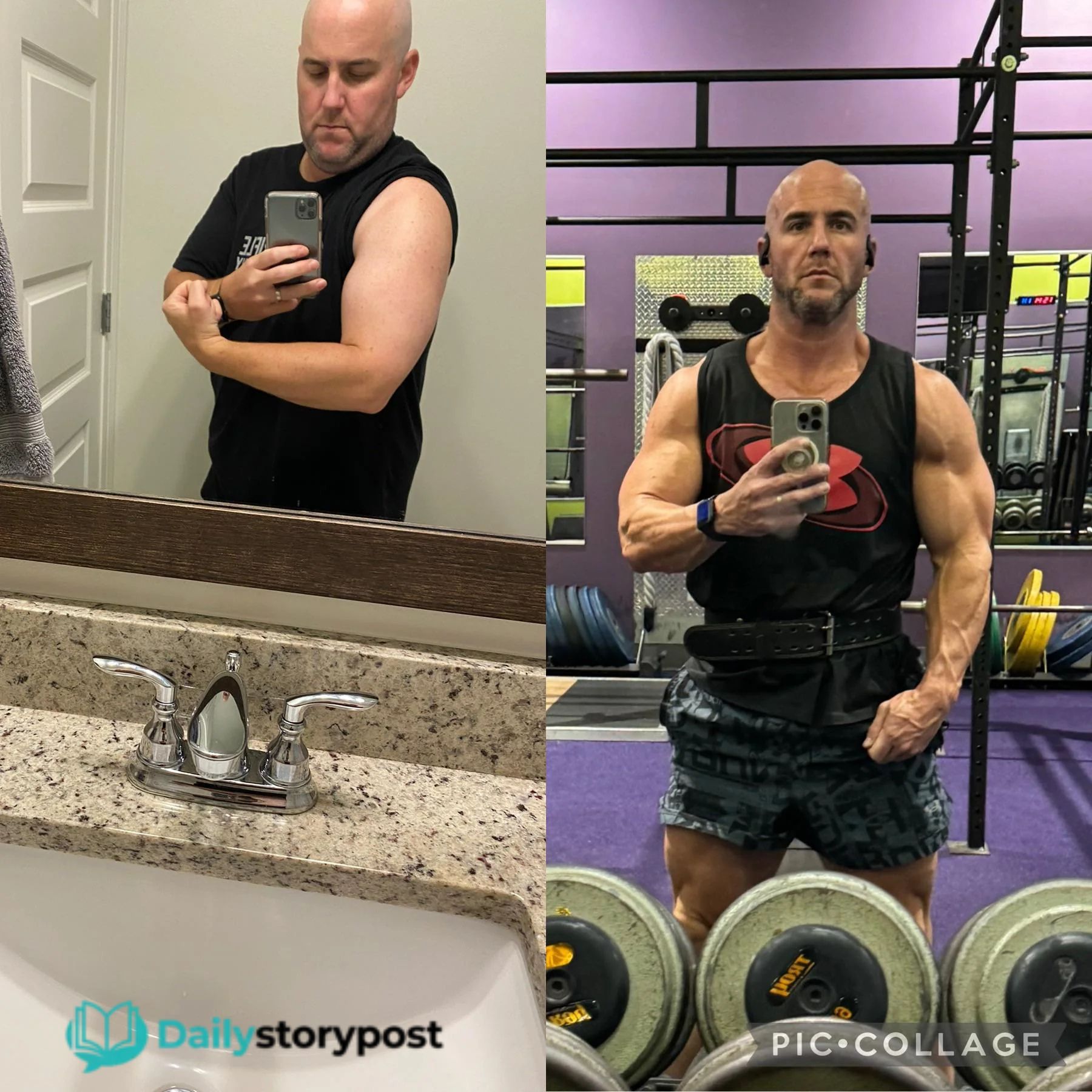
can anyone do a bro split When used correctly, a bro split offers several advantages. While it may not be the perfect fit for everyone, it remains one of the most popular workout routines for muscle-building enthusiasts.
It Allows More Focus on Each Muscle Group
One of the biggest benefits is the ability to dedicate an entire workout to one major muscle group. Instead of rushing through multiple body parts in a single session, you can spend enough time performing a variety of exercises.
For example, a chest workout might include flat bench presses, incline presses, dumbbell flyes, dips, and cable crossovers. This variety helps train the muscles from different angles.
Higher Training Volume
A bro split typically involves performing more sets for each muscle during a workout.
Training volume is one of the most important factors for muscle growth. Since you only train one major muscle group during a session, you have enough energy to complete multiple quality sets without feeling rushed.
BIO
| Label | Information |
|---|---|
| Workout Name | Bro Split |
| Workout Type | Resistance training split |
| Main Keyword | Can anyone do a bro split |
| Primary Goal | Build muscle size (hypertrophy) |
| Best For | Intermediate and advanced lifters |
| Training Frequency | Usually 5 days per week |
| Muscle Focus | One major muscle group per workout |
| Session Length | About 45–90 minutes |
| Key Benefit | High training volume for each muscle |
| Main Drawback | Muscles are often trained only once weekly |
| Ideal Schedule | Consistent weekly gym routine |
| Success Factors | Progressive overload, nutrition, recovery, and consistency |
Improved Mind-Muscle Connection
Many experienced lifters appreciate the bro split because it encourages concentration.
Instead of thinking about several body parts in one workout, you can focus entirely on activating the target muscle, improving technique, and maintaining good form.
Over time, this can lead to better muscle engagement and more productive training sessions.
Less Overall Fatigue During Each Workout
Although each muscle receives plenty of work, the rest of your body gets a break.
For example, training chest today means your legs and back can recover until their scheduled sessions later in the week.
Easy to Customize
A bro split can easily be adjusted based on your experience level.
You can:
- Add extra exercises for weaker muscles.
- Reduce volume if recovery becomes difficult.
- Prioritize lagging body parts.
- Rotate exercises every few weeks.
This flexibility is one reason many experienced gym-goers continue using this training style.
H2: Potential Drawbacks to Consider
No workout program is perfect.
Understanding the disadvantages helps answer the question, can anyone do a bro split, more honestly.
Each Muscle Is Usually Trained Only Once Per Week
A traditional bro split trains each muscle group one time every seven days.
Some research suggests that training muscles twice per week may produce slightly better muscle growth for many individuals when weekly training volume is equal.
That does not mean a bro split is ineffective it simply means it may not maximize progress for everyone.
Missing One Workout Can Affect Your Progress

Consistency matters.
If you miss your scheduled leg day, you may not train your legs again until the following week.
With higher-frequency programs, missing one session often has less impact because the muscle will be trained again sooner.
Requires More Weekly Gym Visits
A traditional bro split usually requires five training days each week.
If your schedule changes often due to work, school, or family commitments, maintaining this routine may become difficult.
Recovery Can Become Challenging
High-volume workouts can be demanding.
Without adequate sleep, nutrition, and recovery, soreness may last longer than expected.
Listening to your body is just as important as following your workout plan.
H2: Questions to Ask Yourself Before Choosing a Bro Split
Before committing to any training program, ask yourself a few honest questions.
How Many Days Can You Realistically Train?
If you consistently have five available training days, a bro split may fit well.
If you only manage three workouts most weeks, another split will likely be more practical.
What Is Your Main Goal?
Different goals require different approaches.
Ask yourself whether your priority is:
- Building muscle
- Increasing strength
- Losing body fat
- Improving athletic performance
- General fitness
The answer helps determine the best training structure.
How Well Do You Recover?
Recovery depends on several factors:
- Sleep quality
- Nutrition
- Age
- Stress levels
- Training experience
If recovery has been difficult in previous programs, reducing volume or selecting another split may produce better long-term results.
Can You Stay Consistent?
The best workout program is not the one that looks impressive on paper.
It is the one you can follow consistently for months, not just weeks.
Consistency always beats perfection.
H2: Sample Weekly Bro Split Plan
A simple bro split may look like this:
Each workout should begin with a dynamic warm-up and a few lighter sets before heavier lifts.
Aim for:
- 3–5 exercises per muscle group
- 3–4 working sets per exercise
- 6–15 repetitions depending on your goal
- Gradually increasing weight or repetitions over time
Remember that progressive overload is far more important than following any specific workout split.
H2: Common Mistakes People Make with a Bro Split
Many people blame the workout split when progress stalls.
Often, the real issue is poor execution.
Doing Too Much Volume
More is not always better.
Performing twenty-five or thirty sets for one muscle in a single workout can reduce workout quality and delay recovery.
Quality sets performed with proper technique usually produce better results than excessive volume.
Ignoring Progressive Overload
Muscles grow because they receive a gradually increasing challenge.
If you lift the same weights every week without improving repetitions, technique, or resistance, progress eventually slows.
Track your workouts and aim for small improvements over time.
Skipping Leg Day
This mistake has become a running joke in fitness communities, but it has real consequences.
Strong legs improve athletic performance, posture, balance, and overall muscle development.
A balanced physique always includes lower-body training.
Poor Nutrition
No workout split can compensate for poor eating habits.
Muscle growth requires:
- Sufficient daily protein
- Enough calories to support your goal
- Plenty of fruits and vegetables
- Healthy fats
- Proper hydration
Training provides the stimulus.
Nutrition supports the recovery.
Not Sleeping Enough
Most muscle repair occurs during recovery.
Adults should aim for approximately seven to nine hours of quality sleep each night.
Poor sleep can negatively affect performance, recovery, and long-term progress.
H2: Tips to Get the Best Results from a Bro Split
If you decide a bro split fits your goals, these strategies can improve your results.
- Focus on compound lifts before isolation exercises.
- Maintain proper technique on every repetition.
- Keep a workout log.
- Increase weights gradually rather than rushing.
- Eat enough protein every day.
- Stay hydrated.
- Warm up before every session.
- Schedule rest days.
- Avoid comparing your progress with others.
- Be patient and trust the process.
Small improvements repeated consistently lead to significant results over time.
H2: Frequently Asked Questions
Can anyone do a bro split as a beginner?
Yes, beginners can follow a bro split, but many new lifters make faster progress with full-body or upper/lower routines because they practice key exercises more often. Beginners should prioritize learning proper technique and building consistent training habits.
Is a bro split effective for muscle growth?
Yes. A bro split can build muscle when weekly training volume, progressive overload, proper nutrition, and recovery are in place. It has helped many recreational lifters and bodybuilders gain muscle over the years.
How many days per week should a bro split be?
Most bro splits involve five training days each week, although some people adapt the routine to four or six days depending on their schedule and recovery.
Can you lose weight on a bro split?
Yes. Fat loss depends primarily on maintaining a calorie deficit while preserving muscle through resistance training. A bro split can be part of an effective weight-loss plan if combined with proper nutrition and regular activity.
Is a bro split better than Push Pull Legs?
Neither routine is universally better. Push Pull Legs often allows for more frequent muscle stimulation, while a bro split provides higher per-session volume and greater focus on individual muscle groups. The best choice depends on your goals, schedule, and ability to recover.
How long should you follow a bro split?
Continue using it as long as you’re making progress, recovering well, and enjoying your workouts. If progress stalls for an extended period, consider adjusting your training volume, exercise selection, or overall split.
What if I miss a workout?
Don’t try to cram two demanding sessions into one day. Simply resume your schedule as soon as possible or rearrange the remaining workouts for the week while maintaining adequate recovery.
H2: Conclusion
So, can anyone do a bro split? The answer is yes but that doesn’t mean it’s the best option for everyone.
A bro split can be an excellent choice if your primary goal is building muscle, you can train consistently five or more days per week, and you recover well between sessions. Its focused approach allows you to dedicate time and energy to each muscle group, making it especially appealing to intermediate and advanced lifters.
However, if you’re just starting your fitness journey, have a busy schedule, or want to improve strength and overall fitness with fewer weekly workouts, a full-body, upper/lower, or Push Pull Legs routine may be a better fit.
The most effective workout plan is the one you can follow consistently while gradually challenging your muscles, eating well, sleeping enough, and staying patient. No training split can replace those fundamentals.
Instead of searching for the “perfect” program, choose the routine that matches your lifestyle and keeps you motivated. When your training aligns with your goals and you stay consistent over time, meaningful results will follow.
FAQs
1. Can anyone do a bro split if they are new to the gym?
Yes, beginners can follow a bro split, but it may not be the most effective starting point. New lifters often benefit more from full-body or upper/lower routines because they train each muscle group more frequently and practice fundamental exercises more often.
2. Is a bro split good for building muscle?
A bro split can be very effective for muscle growth when combined with progressive overload, proper nutrition, and adequate recovery. It allows you to focus on one muscle group per workout, making it easier to perform enough quality training volume.
3. How many days a week should you do a bro split?
A traditional bro split is usually performed over five training days per week, with each workout targeting a different muscle group. Consistency is important, so choose a schedule you can realistically maintain.
4. Is a bro split better than Push Pull Legs?
Neither workout split is universally better. A bro split is ideal for people who enjoy focusing on one muscle group each session, while a Push Pull Legs routine often provides higher training frequency. The best option depends on your fitness goals, experience, and weekly schedule.
5. How do I know if a bro split fits my goals?
A bro split may be a good choice if your main goal is muscle growth, you can train at least five days per week, and you recover well between workouts. If your schedule is limited or you’re focused on overall strength and fitness, another training split may be a better fit.


 Celebrity4 months ago
How Tall Is Glen Powell? Height, Facts, and More
- Celebrity4 months ago
Fielder Jewett Age: Everything We Know About Him in 2026
- Technology4 months ago
How Simpcitt Is Changing the Way People Think Today
- Celebrity4 months ago
Who Is Meredith Schwarz? Key Facts You Should Know
- Food & Drink4 months ago
Where to Find the Best Piononos de Santa Fe Near Me Today
- Home Safety3 months ago
How KDArchitects Landscape Ideas by Morph Transform Outdoor Spaces
- Business4 months ago
How to Buy Milohacherry Coin Safely and Get Started Today
- Business4 months ago
How Driving Modes in Cadillac Lyriq Impact Range and Efficiency