Food & Drink
Where to Find the Best Piononos de Santa Fe Near Me Today


Finding the best piononos de Santa Fe near me can be an exciting journey for anyone who appreciates authentic pastries and traditional desserts. These small, sweet treats come from the historic town of Santa Fe in Granada, Spain, and have earned a reputation as one of the country’s most beloved pastries. Their unique appearance, delicate texture, and rich flavor make them a favorite among locals and tourists alike.
Whether you recently discovered piononos through social media, while traveling, or through a local bakery, understanding what makes them special can help you find the most authentic version available near you. In this guide, we will explore the history of piononos, what distinguishes high-quality examples, where to find them, and how to ensure you enjoy the best possible experience.
BIO
| Label | Information |
|---|---|
| Topic | Best Piononos de Santa Fe Near Me |
| Dessert Type | Traditional Spanish Pastry |
| Origin | Santa Fe, Granada, Spain |
| Main Ingredient | Sponge Cake |
| Filling | Sweet Cream |
| Topping | Caramelized Cream Layer |
| Flavor Profile | Sweet, Rich, and Creamy |
| Texture | Soft and Moist |
| Best Place to Buy | Spanish Bakeries |
| Popularity | Famous Andalusian Dessert |
| Buying Tip | Choose Freshly Made Piononos |
| Online Availability | Available from Specialty Bakers |
| Best For | Dessert Lovers and Food Explorers |
What Are Piononos de Santa Fe?
Piononos de Santa Fe are traditional Spanish pastries that originated in the municipality of Santa Fe, located in the province of Granada in Andalusia. They are small cylindrical cakes made from thin sheets of sponge cake rolled into shape and soaked in sweet syrup.
The pastry is typically topped with a rich toasted cream that gives it its distinctive appearance. The caramelized top layer adds both texture and flavor, creating a balance between sweetness and creaminess.
Unlike many modern desserts, piononos have maintained their traditional preparation methods for generations. Their size may be small, but their flavor is remarkably rich and memorable.
The History Behind the Pastry

The story of piononos dates back to the nineteenth century. The dessert was created by local pastry makers in Santa Fe and was named in honor of Pope Pius IX, known as Pio Nono in Spanish.
Over time, the pastry became one of Granada’s most recognized culinary specialties. Visitors from across Spain and around the world often seek out authentic piononos when exploring the region.
Today, the dessert remains an important symbol of Andalusian pastry traditions and continues to be handcrafted by bakeries that value authenticity and quality.
Why People Love Piononos
There are many reasons why piononos continue to attract dessert lovers.
First, their texture is unlike many other pastries. The sponge cake remains moist due to the syrup infusion, while the cream topping adds a silky finish.
Second, the flavor profile is balanced. While sweet, authentic piononos avoid excessive sugar and instead focus on rich dairy notes, light caramelization, and subtle hints of cinnamon or vanilla depending on the recipe.
Third, they offer a connection to Spanish culinary heritage. Many people appreciate foods that tell a story, and piononos carry a rich historical and cultural background.
The combination of tradition, craftsmanship, and flavor makes piononos stand out among classic European desserts.
Finding the Best Piononos de Santa Fe Near Me
When searching for the best piononos de Santa Fe near me, it is important to focus on authenticity rather than convenience alone.
Many bakeries may offer pastries inspired by piononos, but authentic versions follow traditional preparation methods and use quality ingredients.
Start by researching local bakeries that specialize in Spanish desserts. Establishments with experienced pastry chefs often take pride in preserving traditional recipes and techniques.
Reading customer reviews can also be helpful. Look for comments discussing freshness, authenticity, and flavor consistency. Reviews that specifically mention traditional Spanish pastries often indicate a bakery’s expertise in this area.
Visit Specialty Bakeries
Spanish bakeries remain one of the best places to find authentic piononos. These establishments frequently import traditional techniques and recipes directly from Spain.
Many specialty bakeries employ pastry chefs with extensive experience in European desserts. This often results in products that remain faithful to the original version found in Granada.
When visiting a bakery, do not hesitate to ask about preparation methods. A knowledgeable staff member should be able to explain how the pastry is made and whether it follows traditional practices.
What Makes a Great Pionono?
Not all piononos are created equal. Several characteristics distinguish exceptional examples from average ones.
Freshness
Freshness is one of the most important factors. Because piononos contain cream and syrup-soaked cake, they taste best when prepared recently.
A fresh pionono should feel moist without becoming soggy. The cream should maintain its structure while remaining smooth and light.
Balanced Sweetness
Authentic piononos are sweet, but they should not overwhelm the palate. The best versions balance sweetness with creamy richness and subtle caramel notes.
Excessive sugar often masks the complexity that makes the pastry unique.
Proper Texture
Texture plays a critical role in the overall experience.
The sponge cake should be soft and tender. The syrup should enhance moisture without making the pastry heavy. Meanwhile, the cream topping should provide a smooth contrast to the cake.
Traditional Presentation
Authentic piononos are recognizable by their small cylindrical shape and toasted cream topping.
The appearance may seem simple, but achieving the proper balance of shape, color, and texture requires skill and experience.
Signs of Authenticity
If you are trying to determine whether a bakery serves genuine piononos, there are several clues worth considering.
The bakery should emphasize traditional preparation techniques. Authentic producers often take pride in discussing their methods and ingredients.
The pastry should resemble the classic version associated with Santa Fe, Granada. Oversized variations or heavily modified recipes may be enjoyable, but they differ from the traditional dessert.
Authenticity is often reflected in attention to detail, ingredient quality, and respect for the pastry’s history.
Where You Are Most Likely to Find Them
The availability of piononos varies depending on location, but several types of businesses commonly offer them.
Spanish bakeries remain the most reliable option. European pastry shops may also carry them, particularly in areas with strong international culinary influences.
Specialty dessert stores occasionally feature piononos as part of their imported or traditional pastry selections.
In larger cities, gourmet food markets sometimes partner with local pastry chefs who prepare authentic international desserts, including Spanish specialties.
Why Local Recommendations Matter
Online searches provide useful information, but local recommendations often reveal hidden gems.
People who regularly visit bakeries can provide valuable insight into product quality, freshness, and consistency. A bakery with a loyal customer base often earns that reputation through years of excellent service and reliable products.
Food enthusiasts, local community groups, and regional culinary forums frequently share recommendations that may not appear in standard search results.
These personal experiences can help you discover bakeries that truly excel in traditional pastry preparation.
The Best Time to Buy Piononos
Timing can significantly affect your experience.
Many bakeries prepare fresh batches early in the morning. Purchasing shortly after production often ensures optimal flavor and texture.
Weekends may offer the freshest selection because bakeries expect higher customer demand. However, popular bakeries can also sell out quickly.
If a bakery is known for its piononos, consider calling ahead to confirm availability, especially during holidays or special occasions.
Ordering Piononos Online
For people who cannot find local bakeries offering authentic piononos, online ordering may be a practical solution.
Several specialty food retailers and artisan bakeries provide shipping options. However, because piononos are delicate pastries, freshness and packaging quality become especially important.
Before placing an order, review shipping policies and customer feedback. Reliable packaging helps preserve texture and appearance during transport.
Not every shipped pastry maintains the same quality as one purchased fresh from a bakery, but reputable sellers often achieve impressive results.
Homemade vs. Bakery-Made Piononos
Some dessert enthusiasts enjoy making piononos at home. Homemade versions allow complete control over ingredients and sweetness levels.
However, reproducing the authentic texture and presentation can be challenging. Traditional piononos require precision, experience, and attention to detail.
Professional pastry chefs spend years refining techniques that ensure consistency and balance.
For many people, purchasing from a respected bakery remains the easiest way to experience the dessert as it was originally intended.
Frequently Asked Questions
What are Piononos de Santa Fe?
Piononos de Santa Fe are traditional Spanish pastries from Santa Fe, Granada. They are made with rolled sponge cake soaked in syrup and topped with toasted cream.
Where can I find the best Piononos de Santa Fe near me?
You can usually find authentic piononos at Spanish bakeries, specialty pastry shops, and select European dessert stores that focus on traditional recipes.
What do authentic Piononos de Santa Fe taste like?
They have a soft, moist texture with a rich creamy topping. The flavor is sweet but balanced, often featuring subtle caramel and vanilla notes.
Are Piononos de Santa Fe served fresh?
Yes. Most bakeries prepare them fresh daily because the pastry tastes best when the sponge cake remains moist and the cream topping is freshly made.
Can I order Piononos de Santa Fe online?
Yes. Many specialty bakeries and gourmet dessert retailers offer online ordering and delivery, although freshness may vary depending on shipping distance.

Baking soda has been sitting in kitchen cabinets for generations, usually waiting to help baked goods rise, freshen surfaces, or deal with an occasional household problem. More recently, it has also appeared in online weight-loss advice, with claims that drinking baking soda mixed with water, lemon, or other ingredients can help burn fat.
That idea sounds simple, but there is an important difference between a popular home remedy and something supported by good evidence.
If you are searching for a baking soda recipe to lose weight, the first thing to understand is that baking soda is not a proven fat-burning ingredient. Sodium bicarbonate, the chemical name for baking soda, has legitimate medical and sports-related uses, but those uses are different from weight management. Medical sources describe oral sodium bicarbonate primarily as an antacid and as a treatment for certain acid-base problems.
This does not mean that every claim about baking soda is completely meaningless. It means the subject needs a closer look. Understanding what baking soda actually does can help you avoid wasting time—or putting too much of it into your body—in the hope of losing weight.
BIO
| Label | Information |
|---|---|
| Topic | Baking Soda Recipe to Lose Weight |
| Main Ingredient | Baking soda (sodium bicarbonate) |
| Common Use | Cooking and household use |
| Weight-Loss Claim | Not proven to burn body fat |
| Recipe Type | Homemade drink trend |
| Common Mix | Water, sometimes lemon |
| Main Concern | High sodium intake |
| Possible Effects | Stomach discomfort and bloating |
| Excessive Use | May disturb acid-base balance |
| Evidence | No established weight-loss benefit |
| Safer Approach | Balanced diet and regular activity |
| Best Advice | Use baking soda only for appropriate purposes |
| Professional Help | Consult a healthcare professional when needed |
What Is Baking Soda?
Baking soda is commonly known as sodium bicarbonate. It is an alkaline compound that can react with acids.
In cooking, this reaction is useful because it can produce carbon dioxide gas, helping certain foods rise. In medicine, sodium bicarbonate can be used as an antacid to temporarily relieve heartburn and acid indigestion. It may also be prescribed in specific medical situations when reducing acidity is necessary.
The word “sodium” is important here. Baking soda is not simply a neutral powder that passes through the body without consequences. It contributes sodium to the diet, which is one reason people with sodium restrictions or certain health conditions need to be cautious.
For example, one current over-the-counter baking soda label states that a half-teaspoon contains 656 milligrams of sodium. That is a substantial amount for such a small quantity.
So, although baking soda is familiar and inexpensive, it should not automatically be considered harmless when consumed.
Can Baking Soda Help You Lose Weight?
This is the most important question.
At present, there is no established baking soda recipe proven to make the body burn fat or produce meaningful weight loss.
Baking soda does not work like a recognized weight-loss medication. It does not directly remove stored body fat, and drinking it does not replace the basic factors involved in losing weight, such as energy intake, physical activity, food choices, sleep, and long-term habits.
Some of the confusion may come from the fact that sodium bicarbonate has been studied in sports. Research summarized by the U.S. National Institutes of Health indicates that sodium bicarbonate may provide a small performance benefit during certain types of short, intense exercise. However, that research concerns exercise performance rather than using baking soda as a weight-loss treatment.
That distinction matters.
Why Do People Use Baking Soda for Weight Loss?
The popularity of baking soda for weight loss appears to come largely from online wellness advice and the idea that changing the body’s acidity or alkalinity could somehow increase fat burning.
The human body, however, already has sophisticated systems for maintaining its acid-base balance. The lungs and kidneys play major roles in controlling this balance.
Adding an alkaline substance does not simply “alkalize” the entire body in a way that automatically burns fat. Too much bicarbonate can actually disturb the body’s normal acid-base balance. MedlinePlus explains that excessive bicarbonate can contribute to alkalosis, a condition in which body fluids become excessively alkaline.
This is one reason the idea should not be approached as a harmless kitchen experiment.
How to Make a Baking Soda Recipe to Lose Weight
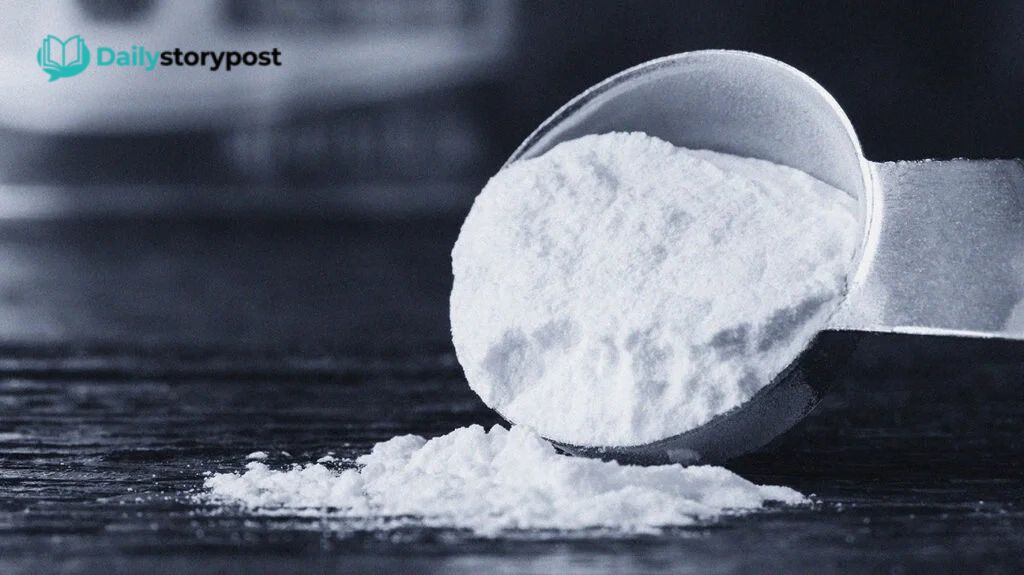
There is an important correction to make here: there is no medically established baking soda recipe that has been shown to cause weight loss.
You may see recipes online that combine baking soda with water, lemon juice, apple cider vinegar, or other ingredients. However, adding another ingredient does not turn baking soda into a scientifically proven fat-burning drink.
For that reason, it would be misleading to provide a specific homemade dose and present it as a weight-loss treatment.
If sodium bicarbonate has been recommended to you for a medical reason, use the product according to its official directions or your healthcare professional’s instructions. MedlinePlus advises that sodium bicarbonate should be taken exactly as directed and notes that powdered sodium bicarbonate should be measured carefully and dissolved in water when used orally.
That is very different from taking baking soda specifically to lose weight.
A safer approach is to treat baking soda as a food ingredient or medication with specific uses, rather than as a daily weight-loss supplement.
Baking Soda and Lemon Water
One of the most common combinations discussed online is baking soda with lemon water.
Lemon can add flavor and make plain water more appealing. Drinking more water can also be useful when it replaces high-calorie drinks such as sugary sodas or sweetened beverages.
But the lemon does not give baking soda a special fat-burning ability.
When baking soda and an acidic ingredient such as lemon juice are mixed, they react with each other. This produces carbon dioxide, which is why the mixture can fizz. The reaction is chemistry, not evidence that body fat is being burned.
If you enjoy lemon water, you can simply drink lemon-infused water without adding baking soda. It is an easier way to make water more enjoyable without unnecessarily adding sodium.
Baking Soda and Water
Another popular idea is mixing baking soda directly with water.
Water itself can be an excellent beverage choice, especially when it replaces calorie-containing drinks. But the benefit comes from the water and the overall dietary pattern—not from baking soda melting away body fat.
Adding baking soda does not make water a proven weight-loss drink.
More importantly, increasing the amount of baking soda does not increase its supposed weight-loss effect. There is no reason to assume that more is better, and excessive oral bicarbonate consumption can be dangerous.
A published medical case review has documented risks associated with excessive bicarbonate ingestion, including metabolic alkalosis, high blood sodium, low potassium, high blood pressure, fluid-related problems, and other complications.
What Are the Risks?
The biggest concern with using baking soda for weight loss is that people may think a common kitchen product is automatically safe in large quantities.
It is not.
Sodium bicarbonate can cause gastrointestinal symptoms such as gas and stomach cramps, while more serious problems can occur with inappropriate or excessive use. MedlinePlus also warns about symptoms such as nausea, weakness, swelling, and other potentially serious reactions.
Another concern is sodium.
Because baking soda contains sodium, regular consumption can add a considerable amount of sodium to the diet. This can be especially important for people who have been advised to follow a sodium-restricted diet.
Excess bicarbonate can also interfere with the body’s acid-base balance. Alkalosis can involve symptoms such as nausea, vomiting, confusion, muscle twitching, tingling, and electrolyte disturbances.
These are not reasonable trade-offs for an unproven weight-loss method.
Who Should Be Especially Careful?
Some people should not experiment with oral baking soda without professional guidance.
MedlinePlus specifically advises people to tell their healthcare provider if they have high blood pressure, congestive heart failure, kidney disease, or a sodium-restricted diet. It also recommends discussing pregnancy or breastfeeding before using sodium bicarbonate.
People taking prescription medicines should also check with a doctor or pharmacist because sodium bicarbonate can interact with medicines and may need to be separated from certain medications.
This is particularly important because someone may already be getting significant sodium from food. Adding baking soda on top of that can make the overall intake higher than expected.
Common Myths About Baking Soda
Baking Soda Burns Belly Fat
There is no good evidence establishing baking soda as a belly-fat-burning treatment.
Belly fat decreases as part of overall body-fat reduction. A drink cannot selectively tell the body to remove fat from one particular area.
Baking Soda Detoxes the Body
The body already has organs responsible for processing and removing waste, including the liver and kidneys.
There is no need to rely on a baking soda drink as a special detox treatment.
More Baking Soda Means Faster Results
This is one of the most dangerous assumptions.
A larger amount does not turn baking soda into a stronger weight-loss product. It simply increases exposure to sodium bicarbonate and its potential adverse effects.
Lemon Makes Baking Soda a Fat Burner
Lemon water can be a pleasant low-calorie beverage, but combining lemon with baking soda does not create a clinically established fat-burning formula.
The fizz you see is primarily a chemical reaction between an acid and bicarbonate.
Better Ways to Support Weight Loss
If your real goal is to lose excess body fat, it makes more sense to focus on habits that can be maintained for months rather than looking for one special drink.
Choose Filling Foods
Meals built around vegetables, fruits, beans, whole grains, lean protein, and other nutrient-rich foods can make it easier to manage hunger.
Protein and fiber are particularly useful parts of a balanced eating pattern because they can help meals feel more satisfying.
Watch Liquid Calories
One simple change can be replacing sugary drinks with water or other unsweetened beverages.
This does not require baking soda.
If you enjoy lemon water, adding lemon for flavor can make plain water more appealing.
Stay Physically Active
Walking, cycling, swimming, resistance training, sports, and other activities can all contribute to an active lifestyle.
The best activity is often the one you can realistically continue.
Pay Attention to Portions
Healthy foods can still contribute significant calories when eaten in very large portions.
Instead of completely eliminating favorite foods, many people find it more practical to adjust portions and build meals around nutritious foods.
Get Enough Sleep
Sleep is often overlooked when people think about weight management.
A consistent sleep routine supports overall health and can make it easier to maintain healthy eating and activity habits.
Focus on Consistency
A dramatic diet may work for a short period and then become difficult to maintain.
A slower approach based on realistic meals, regular movement, and sustainable habits is generally more practical than depending on an unproven home remedy.
When Should You Talk to a Professional?
If you are trying to lose a significant amount of weight, have a chronic medical condition, or take prescription medication, it is worth speaking with a healthcare professional before starting unusual supplements or home remedies.
This is especially important if you are considering regular oral baking soda.
A doctor or registered dietitian can help determine whether your weight-loss goal is appropriate and suggest an eating and activity plan based on your individual situation.
If you have already consumed a large amount of baking soda and develop severe stomach pain, repeated vomiting, weakness, confusion, breathing problems, or other serious symptoms, seek urgent medical attention.
Frequently Asked Questions
Does baking soda burn body fat?
No proven evidence shows that drinking baking soda directly burns body fat. Sodium bicarbonate has other legitimate uses, including antacid use and certain sports-performance applications, but these should not be confused with weight-loss treatment.
Can I drink baking soda every day to lose weight?
It is not advisable to use baking soda every day as a weight-loss method without medical guidance. Regular or excessive intake can increase sodium exposure and may affect the body’s acid-base and electrolyte balance.
Is baking soda and lemon water good for weight loss?
Lemon water can be a low-calorie alternative to sugary beverages, but adding baking soda does not make it a proven weight-loss drink. The combination should not be promoted as a fat-burning recipe.
How much baking soda should I take for weight loss?
There is no established weight-loss dose of baking soda. Official sodium bicarbonate products have specific directions for their approved uses, and those directions should not be repurposed as a weight-loss prescription.
What is a safer way to lose weight?
A safer approach generally involves a balanced eating pattern, appropriate portions, regular physical activity, adequate sleep, and habits that can be maintained over time. People with specific health needs should seek individualized advice from a healthcare professional.
Final Thoughts
The search for a baking soda recipe to lose weight is understandable. Simple home remedies are attractive because they seem inexpensive, convenient, and easy to add to a daily routine.
However, baking soda should not be treated as a proven weight-loss ingredient.
Sodium bicarbonate has useful and well-established purposes, but those purposes do not include directly burning body fat. It also contains a meaningful amount of sodium and can cause health problems when used improperly or excessively.
If your goal is sustainable weight loss, put your attention on the basics: nutritious meals, sensible portions, regular movement, good sleep, and consistency. Those habits may not sound as exciting as a quick homemade recipe, but they provide a much more sensible foundation for long-term health.
In short, there is no proven baking soda recipe that can safely replace the fundamentals of weight management. If you want to use sodium bicarbonate for a medical reason, follow the product directions or your healthcare professional’s advice rather than using it as a weight-loss shortcut.
FAQs
Does baking soda help with weight loss?
There is no strong evidence that baking soda directly burns body fat or causes meaningful weight loss. It should not be considered a proven weight-loss treatment.
Can I drink baking soda and lemon water for weight loss?
Lemon water can be a low-calorie drink, but adding baking soda does not make it a proven fat-burning beverage. Excessive baking soda may also cause health problems.
How much baking soda should I drink to lose weight?
There is no medically established dose of baking soda for weight loss. Taking excessive amounts can increase sodium intake and disturb the body’s acid-base balance.
Is it safe to drink baking soda every day?
Daily use for weight loss is not recommended without medical guidance. Baking soda contains sodium and excessive intake can cause stomach problems and other complications.
What is a safer way to lose weight?
A balanced diet, sensible portions, regular physical activity, adequate sleep, and consistent healthy habits provide a more reliable approach to weight management.
ByAhmad Raza
Must read
Exploring Modern Online Slot Gaming: Features, Strategies, and Responsible Play
7 Daily Oral Health Habits That Will Save You Thousands at the Dentist
Decorative Rock Ideas for Low-Maintenance Landscaping
Essential Business Leadership Skills for Startup Company Management
Introduction to Healthy Breakfasts
Breakfast is often considered the most important meal of the day, especially for individuals leading an active lifestyle. This initial meal not only breaks the overnight fast but also provides the essential nutrients and energy required to kickstart the day effectively. A healthy breakfast can significantly impact performance, mood, and overall well-being. It serves as the foundation upon which an individual’s dietary habits are built and sets the tone for a productive day.
For those engaged in regular physical activity, consuming a nutritious breakfast is crucial. This is because it replenishes glycogen stores that may be depleted overnight, ensuring optimal energy levels to sustain both physical and mental endeavors throughout the day. A balanced breakfast, rich in complex carbohydrates, proteins, and healthy fats, fuels the body and primes it for activity, while also enhancing recovery from exercise.
Moreover, studies have shown that individuals who prioritize a healthy breakfast tend to maintain better weight management and experience lower levels of fatigue. Such meals offer an array of benefits, including improved concentration, enhanced metabolic rates, and support for muscle growth or repair. Incorporating whole grains, fruits, and lean proteins into breakfast promotes long-lasting satiety, reducing the likelihood of unhealthy snacking later in the day.
Thus, the importance of a healthy breakfast cannot be understated, particularly for those pursuing an active lifestyle. It lays the groundwork for making healthier food choices throughout the day and contributes to overall physical health and performance. As we dive deeper into meal plans, we will explore various options that effectively cater to the nutritional needs of those engaged in an active lifestyle.
Benefits of a Nutritious Breakfast
Starting the day with a nutritious breakfast is fundamental to enhancing overall health and well-being. One of the primary benefits of consuming a healthy breakfast is improved concentration. Studies have shown that a balanced meal in the morning can significantly enhance cognitive functions, including memory retention and problem-solving abilities. This is particularly beneficial for students and professionals who require peak mental performance throughout the day.
Moreover, a nutritious breakfast plays a vital role in increasing energy levels. Foods rich in complex carbohydrates, proteins, and healthy fats provide sustained energy, which is essential for daily activities and physical performance. This energy boost can keep individuals alert and engaged in their tasks, leading to more productivity both at work and during exercise routines.
Another important aspect of a healthy breakfast is its potential for better weight management. Eating a well-balanced first meal of the day can help regulate appetite and influence feelings of fullness. This means individuals are less likely to indulge in unhealthy snacks later, aligning their choices with a healthier diet overall. Furthermore, ensuring an adequate intake of essential nutrients from breakfast can directly affect metabolism.
A balanced breakfast not only fuels the body but also promotes healthier decision-making throughout the day. When individuals begin their day with nutritious foods, they are more inclined to choose healthier options for lunch and dinner, creating a positive cycle of wellbeing. In summary, incorporating a well-rounded breakfast into one’s routine can yield numerous benefits, from improved concentration and energy levels to enhanced physical performance and better dietary choices throughout the day.
Key Nutrients for Active Individuals
For those leading an active lifestyle, a well-balanced breakfast is crucial. An effective breakfast should be rich in key nutrients that fuel the body and support recovery. The primary macronutrients necessary for active individuals include carbohydrates, proteins, and healthy fats. Each plays a significant role in maintaining energy levels and overall health.
Carbohydrates serve as the body’s primary energy source, particularly for physically demanding activities. Incorporating whole grains, fruits, and vegetables provides complex carbohydrates that release energy gradually, preventing spikes in blood sugar levels. Examples include oats, whole grain bread, and fruits like bananas or berries. These options not only give energy but also deliver essential fiber, aiding in digestion.
Proteins are vital for muscle repair and growth, making them essential for active individuals, especially post-exercise. Including lean protein sources such as eggs, Greek yogurt, or cottage cheese in breakfast can significantly enhance recovery and promote satiety. This helps maintain muscle mass while providing lasting energy throughout the day.
In addition to macronutrients, healthy fats also play an important role in breakfast for active individuals. Sources such as avocados, nuts, and seeds can provide essential fatty acids, which are crucial for hormone production and nutrient absorption. These fats help sustain energy levels and can improve overall cognitive function.
Furthermore, micronutrients like vitamins and minerals must not be overlooked. These nutrients help support metabolic processes and contribute to energy production. Foods rich in vitamins B and C, along with minerals like magnesium and zinc, play a role in energy metabolism and immune function, making them indispensable for anyone with an active lifestyle.
Sample Meal Plans for Different Activity Levels
Crafting the perfect breakfast meal plan requires consideration of an individual’s level of physical activity. Different intensities of exercise demand varied nutritional needs. Below are sample breakfast plans tailored for low, medium, and high intensity activities. Each plan emphasizes balanced nutrition to support energy levels and overall health.
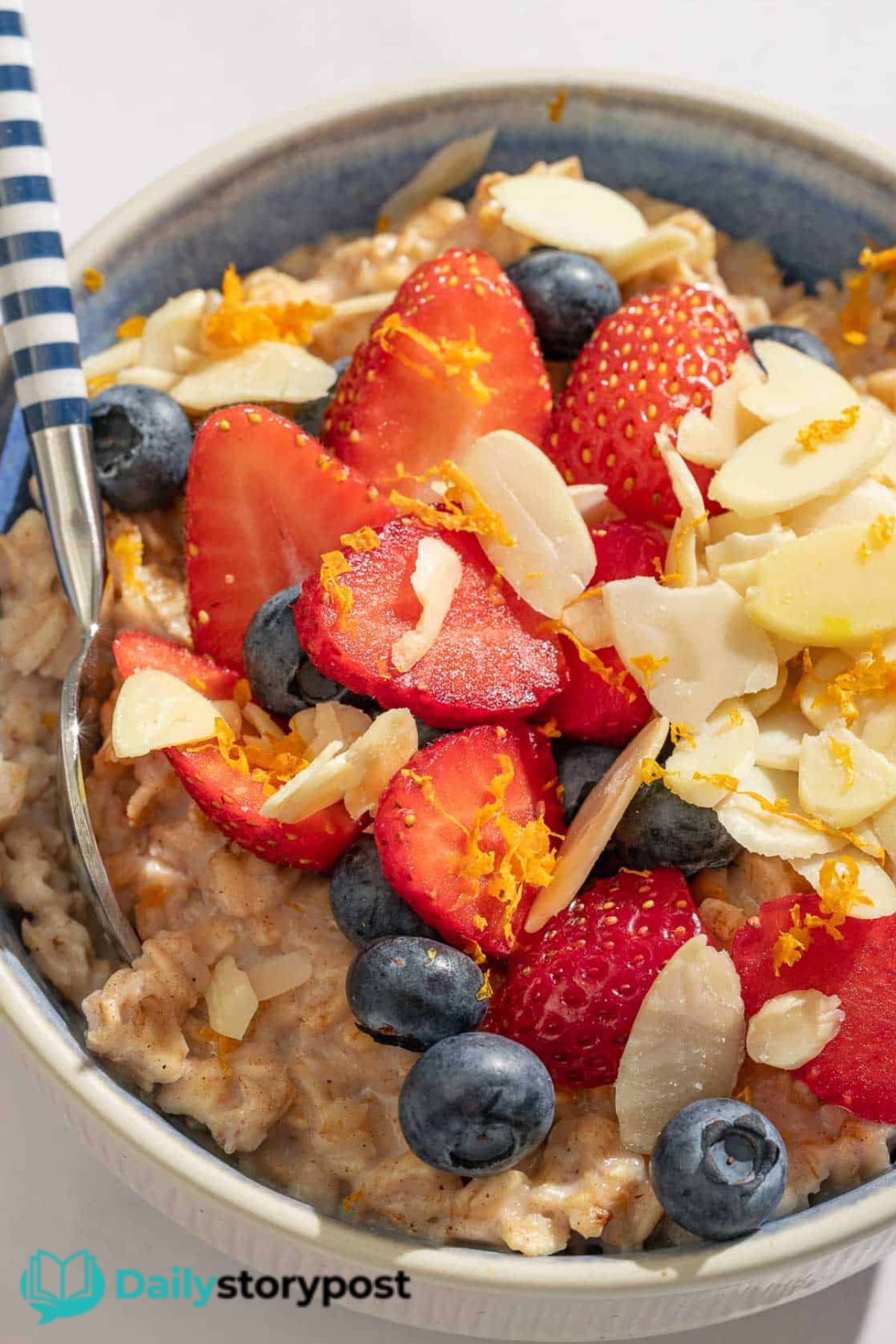
Low Intensity Activity: For those engaging in minimal physical activity, a simpler breakfast can still pack a nutritional punch. A good option might be a bowl of oatmeal topped with sliced bananas and a sprinkle of cinnamon. This combination provides carbohydrates for energy and fiber for sustained fullness. Pair it with a glass of low-fat milk or a dollop of Greek yogurt to enhance protein intake. An alternative meal could be a slice of whole-grain toast with avocado and a poached egg, offering healthy fats and proteins to start the day.
Medium Intensity Activity: Individuals exercising at a moderate level may benefit from slightly more substantial breakfast options. A hearty breakfast burrito filled with scrambled eggs, black beans, diced bell peppers, and a sprinkle of cheese is an excellent choice, as it combines proteins, healthy fats, and fiber. Another satisfying meal could be a smoothie made with spinach, frozen berries, banana, and protein powder, offering a refreshing balance of nutrients while being easy to digest pre-workout.
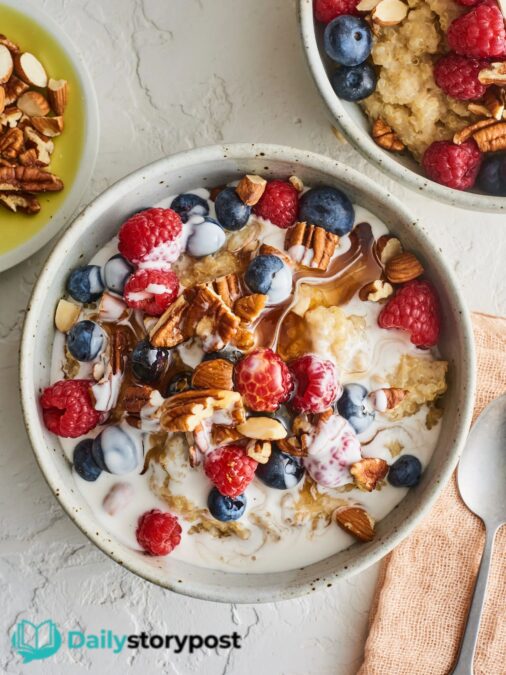
High Intensity Activity: For those involved in rigorous activity, a breakfast high in carbohydrates, protein, and healthy fats is essential for optimal performance. A large bowl of quinoa mixed with berries, nuts, and a splash of almond milk can provide sustained energy. Alternatively, a protein-packed omelet with vegetables, turkey sausage, and whole-grain toast can fuel intense workouts efficiently, ensuring that the body’s nutritional demands are met.
Quick and Easy Breakfast Ideas
Starting your day on a nutritious note is vital, especially for individuals leading active lifestyles. However, the demands of a busy morning can often lead to hasty meal decisions that sacrifice nutritional value. Therefore, having quick and easy breakfast options can significantly enhance morning routines without compromising health.
One popular option is overnight oats, which can be prepared the night before. By combining rolled oats, yogurt, and your choice of milk, you can create a satisfying and fiber-rich meal. Add in fruits like bananas or berries, along with a sprinkle of nuts or seeds for added texture and nutrients. This convenient breakfast is not only delicious but also provides sustained energy throughout your morning.
Another time-efficient choice is smoothie bowls. By blending leafy greens, frozen fruits, and a liquid base such as almond milk, you can whip up a delightful and refreshing breakfast in just a few minutes. Pour the mixture into a bowl and top it with granola, sliced fruits, and chia seeds for additional health benefits. Smoothie bowls are versatile and allow you to experiment with different flavors and ingredients, fitting seamlessly into an active lifestyle.
If you’re looking for something warm, consider making scrambled eggs. This dish is both quick to prepare and packed with protein. Simply whisk some eggs and cook them in a pan; you can add spinach, tomatoes, or even avocado for additional nutrition. Pair your scrambled eggs with whole-grain toast for a balanced meal that can be enjoyed on the go.
For those who prefer a sweet start, Greek yogurt parfaits can be assembled in minutes. Layer Greek yogurt with your favorite fruits and a sprinkling of granola for a satisfying breakfast. The protein from yogurt will provide energy for your busy day ahead.
Incorporating these quick and easy breakfast ideas into your routine can play a crucial role in managing an active lifestyle while ensuring adequate nutrition. With a bit of planning, nutritious breakfasts can become an integral part of a healthy morning regimen.
Incorporating Seasonal Ingredients
Incorporating seasonal ingredients into your breakfast meals is not only beneficial for enhancing flavor, but it also supports a healthier diet. Seasonal ingredients, including fruits and vegetables, are harvested at their peak ripeness, resulting in optimal nutrient levels and taste. By focusing on fresh, in-season produce, you can elevate the overall quality of your breakfast while making more sustainable food choices.
Choosing fruits and vegetables that are currently in season can lead to numerous health benefits. For example, spring and summer months frequently yield an abundance of berries, stone fruits, and leafy greens, which are rich in antioxidants, vitamins, and minerals. As the seasons change, so do the varieties of produce. Fall brings hearty squash and apples, while winter offers citrus fruits that provide essential vitamin C during cold months. Understanding which ingredients are in season not only enhances your nutrition but also supports local farmers and economies.
To incorporate seasonal ingredients into your breakfast plans, consider visiting local farmer’s markets or grocery stores that prioritize seasonal purchasing. Look for fruits and vegetables that have vibrant colors and strong aromas, as these typically indicate freshness and flavor. Numerous breakfast options can utilize seasonal ingredients, such as smoothie bowls topped with fresh berries in summer or oatmeal enhanced with baked apples and cinnamon in autumn.
Ultimately, integrating seasonal ingredients into your meal plans encourages variety and promotes dietary diversity, which is essential for a balanced and wholesome diet. By consciously selecting seasonal options, you not only enjoy enhanced flavor and nutrient content but also contribute positively to environmental sustainability through responsible agriculture practices.
Avoiding Common Breakfast Pitfalls
Breakfast is often regarded as the most important meal of the day, yet many individuals fail to recognize its impact on overall health and wellness. One of the most prevalent mistakes is skipping breakfast altogether. In doing so, individuals may find themselves deprived of essential nutrients and energy, which can lead to overeating later in the day. To combat this, it is vital to allocate time in the morning for a nourishing breakfast, even if it is a quick option.
Another common pitfall is selecting breakfast items laden with added sugars, such as sugary cereals or pastries. These items may offer instant gratification but can lead to energy crashes later due to their high glycemic index. Instead, opting for whole grains or oatmeal topped with fresh fruit can provide sustained energy and essential nutrients. Incorporating sources of protein, such as eggs or yogurt, can further enhance satiety and support muscle function.
In addition, many individuals may not consider portion sizes for their breakfast meals, which can inadvertently result in excessive caloric intake. It is essential to be mindful of serving sizes and choose balanced portions of carbohydrates, protein, and healthy fats to optimize both energy levels and nutrient absorption. Meal prepping can be an effective strategy to prepare healthy breakfast options in advance, thus minimizing the temptation of less nutritious choices during busy mornings.
Finally, staying hydrated is another aspect often overlooked during breakfast. Starting the day with a glass of water can help kickstart metabolism and improve digestion. By avoiding these common breakfast pitfalls and making informed choices, individuals can set a positive tone for their day and power their active lifestyles with nutritious, balanced meals.
Eating Breakfast on the Go
In today’s fast-paced world, finding time to enjoy a nutritious breakfast can be challenging, especially for those with active lifestyles. However, a healthy breakfast is essential as it provides the necessary energy and nutrients to kick-start your day. Here are practical tips for consuming breakfast while on the move.
Prior planning is crucial when it comes to eating breakfast on the go. First, consider meal prepping. Take a few hours on the weekend to prepare grab-and-go breakfasts that are easy to pack. Options such as overnight oats, smoothie packs, or healthy muffins can be made in bulk and stored in the refrigerator or freezer. This way, you can simply grab a portion in the morning and be on your way.
When selecting portable breakfast options, it is vital to prioritize nutritional value. Look for foods that are rich in protein, fiber, and healthy fats to keep you feeling full throughout the morning. Greek yogurt with fruit and nuts, whole-grain wraps filled with eggs and vegetables, or nut butter on whole-grain bread with banana slices are excellent choices. These meals can be prepared in advance and are easy to consume during your commute.
Furthermore, incorporating snacks can supplement your breakfast when time is tight. Stocking healthy snacks like trail mix, energy bars, or fresh fruit can provide a quick boost of energy if your schedule doesn’t allow for a sit-down meal. It’s also important to keep hydrated; carry a reusable water bottle to encourage adequate hydration alongside your breakfast choices.
Ultimately, by planning meals ahead and being thoughtful about portable options, you can ensure that you maintain a nutritious breakfast routine, even when you’re busy. This proactive approach not only supports your energy levels but also contributes positively to your overall health.
Conclusion and Final Thoughts
In conclusion, a nutritious breakfast is a cornerstone of a healthy lifestyle, especially for those who lead an active life. The importance of starting the day with a balanced meal is paramount, as it not only provides essential nutrients but also fuels energy levels and supports overall well-being. Throughout this blog post, we have highlighted various healthy breakfast meal plans that cater to different preferences and dietary needs, ensuring that everyone can find suitable options.
Additionally, it is vital to understand that breakfast does not need to be monotonous or time-consuming. With the right planning and creativity, individuals can enjoy a diverse range of breakfast options that keep them satisfied and motivated for the day ahead. Meals rich in whole grains, proteins, healthy fats, and a variety of fruits and vegetables can significantly enhance both physical performance and mental clarity.
As you embark on your journey to establish a consistent and healthy breakfast routine, we encourage you to experiment with different ingredients and recipes. This will not only help in discovering new flavors and combinations but will also allow for flexibility, aligning with personal taste preferences and nutritional goals. Making informed choices and prioritizing breakfast can lead to significant health benefits, promoting better concentration, improved mood, and sustained energy levels throughout the day.
Ultimately, remember that a well-organized breakfast plan can serve as a vital tool in managing your overall lifestyle. Embrace the opportunity to create a meal that is nourishing, enjoyable, and supportive of your daily activities. Here’s to healthier mornings and more productive days ahead!
FAQs
1. Why is a healthy breakfast important for an active lifestyle?
A healthy breakfast provides energy, supports concentration, and supplies nutrients needed for daily activities and exercise.
2. What nutrients should an active person include at breakfast?
Carbohydrates, protein, healthy fats, vitamins, and minerals are important for energy, recovery, and overall well-being.
3. What are some quick healthy breakfast options?
Overnight oats, smoothie bowls, scrambled eggs, and Greek yogurt parfaits are quick and nutritious choices.
4. What is a good breakfast before intense activity?
A meal containing carbohydrates, protein, and healthy fats can help provide sustained energy for demanding physical activity.
5. How can I maintain a healthy breakfast routine when I am busy?
Meal prepping options such as overnight oats, smoothie packs, and portable egg or yogurt meals can make healthy breakfasts easier to manage.

Finding accurate scooter menu prices can be harder than it seems. A quick search may show a price, but that does not always mean it is the amount you will pay at your nearest Scooter’s Coffee location. Prices can differ by store, while menu items, seasonal drinks, sizes, and customization options can also change over time.
Scooter’s Coffee has a broad menu that includes espresso drinks, iced beverages, cold brew, Blenders, smoothies, teas, lemonades, energy drinks, food, kids’ options, and seasonal selections. Its official menu is organized into several categories, making it easier to see what is currently available.
The important point is that the latest menu and the exact local price are not always the same thing. The menu tells you what Scooter’s currently offers, while your selected location or ordering screen is the better place to confirm what that item costs.
This guide explains how to check current Scooter menu prices, why prices may vary, and how to avoid relying on outdated information.
Why Scooter Menu Prices Can Change
One reason people have trouble finding an exact Scooter’s price is that restaurant pricing is not necessarily identical at every location.
A menu page can show the same drink across many stores, but the amount charged may depend on the particular location. Third-party ordering platforms also warn customers that prices can vary by store and location.
There are several reasons a final price may be different from what you saw somewhere else.
Location is one of the biggest factors. A Scooter’s Coffee store in one city may not have exactly the same pricing as another store several states away.
Size also matters. A small, medium, or large drink naturally may have a different price. Before comparing prices, make sure you are comparing the same size.
Customization can change the total. Extra espresso, different milk, additional flavors, toppings, or other modifications may affect the final amount.
Seasonal products can also come and go. Scooter’s official menu currently includes limited-time offerings alongside its regular menu, which means an item you saw several months ago may no longer be available.
Start With the Official Menu
The most reliable first step is to check Scooter’s current official menu.
Scooter’s organizes its menu into categories such as Featured Favorites, the ’Licious Lineup, Iced Drinks, Blenders, Hot Drinks, Red Bull Infusions, Sparkling Floats and Sodas, Shakes, Lemonades, Smoothies, Teas, Food, Kids Menu, Dollar Delights, and Customizations.
This is useful because you can first determine whether the item you want is currently offered.
For example, someone searching for a Caramelicious may find several versions, including hot, iced, or blended choices. Simply searching for “Caramelicious price” without identifying the format can therefore lead to confusion.
The same applies to seasonal drinks. Scooter’s menu can feature limited-time flavors that are not necessarily part of the permanent selection.
Always confirm the product name and format before comparing prices.
Use Your Local Store
Once you know which item you want, the next step is to check your local Scooter’s Coffee location.
This is particularly important when you are looking for exact scooter menu prices rather than a general estimate.
A local ordering screen can give you a much better idea of what you will actually pay. You can select the store, choose the item, select the size, and review available customizations.
Scooter’s maintains a location finder for its stores, which is useful when you want to identify the nearest location before checking its menu.
This simple step can prevent a common mistake: finding a price online and assuming it applies everywhere.
If you are comparing two Scooter’s locations, check both individually rather than assuming the same price applies to each.
Check Online Ordering
Online ordering is another practical way to check current menu prices.
Third-party ordering services can display local Scooter’s menus, but the price shown may depend on the selected location. DoorDash, for example, notes that Scooter’s prices can vary by store and asks customers to enter their location for nearby menu pricing.
This makes online ordering useful for checking the menu, but it also explains why two people may see different prices.
There is another detail to remember: delivery pricing and in-store pricing may not be identical.
A delivery order can include additional charges, while pickup may have a different total. Therefore, if your goal is simply to determine the menu price of a drink, pay attention to the item price before adding delivery-related costs.
Compare the Same Size

One of the easiest ways to make a bad price comparison is to compare different sizes.
Scooter’s menu includes multiple drink sizes, and its nutrition information provides size-specific information for many products.
For example, if you find a price for a medium latte at one location and a large latte at another, the comparison does not tell you whether one store is actually more expensive.
When comparing scooter menu prices, keep these details identical:
- Same drink
- Same size
- Same preparation
- Same customizations
- Same location type
- Same ordering method
This creates a much more useful comparison.
It is also worth checking whether the drink is hot, iced, or blended. These formats may be listed separately even when they share a similar flavor.
Understand the Main Menu Categories
Knowing the menu categories can make price checking much easier.
Hot Drinks
The hot drink selection includes classic options such as brewed coffee, latte, cappuccino, mocha, white mocha, hot chocolate, flavored latte, and other specialty drinks. Scooter’s current menu also includes seasonal hot drinks and signature beverages.
If you prefer a straightforward coffee, brewed coffee may be a different price category from a specialty espresso drink.
Iced Drinks
Scooter’s iced menu includes iced lattes, iced mochas, iced Americanos, cold brew, flavored drinks, and signature iced beverages. Seasonal choices can also appear in this section.
When checking a price, make sure you are looking at the iced version if that is what you plan to order.
Blenders
Blenders are frozen drinks that can include coffee, flavors, and an ice-cream-style base. They are a separate category from ordinary hot and iced espresso drinks.
Because they have their own recipes and sizes, it is not useful to assume that a Blender will cost the same as the corresponding hot or iced drink.
Food
Scooter’s also offers breakfast and snack items. The official food menu currently includes products such as breakfast burritos, sandwiches, muffins, cinnamon rolls, omelet bites, cookies, and other treats.
Food availability can be especially important when checking a particular store because not every location necessarily carries every item at all times.
Look for Seasonal Items
Seasonal drinks are one of the biggest reasons an old Scooter’s menu can become inaccurate.
Scooter’s regularly promotes limited-time drinks and flavors. Its current menu includes seasonal selections alongside its regular products.
A drink listed in an article from last year may therefore no longer be available.
This does not mean the old article was necessarily wrong when it was published. It simply means menu information can become outdated.
When researching scooter menu prices, always look for an indication that the information is current.
A good rule is simple:
The newer the source, the more useful it is for current menu information.
However, freshness alone is not enough. A recent third-party article can still show prices from a different location. That is why the local ordering menu remains important.
Check Customizations Carefully
Two customers can order what appears to be the same drink and still pay different amounts.
The reason may be customization.
Scooter’s menu includes a dedicated Customizations category, showing that modifications are an important part of the ordering experience.
Depending on the drink and store, customers may be able to change milk, add flavors, modify sweetness, add espresso, or request other adjustments.
If you are comparing prices, do not compare a customized drink with a standard recipe.
For example, if one person orders a standard latte and another adds extra espresso and a milk substitution, their receipts may naturally be different.
Always check the base item first, then review each customization before confirming the order.
Do Not Rely on Old Menu Photos
Menu photographs can be useful, but they should not be treated as permanent price lists.
Someone may post a picture of a Scooter’s menu board online, but there is no guarantee that the photo reflects the current price at your local store.
Prices can change, promotional items can disappear, and new products can be introduced.
The same problem applies to old social media posts and blog articles.
If you find a price through an older source, use it only as a general reference. Then verify the current price through a local ordering menu or store.
This approach is much safer than assuming an old number is still correct.
Consider Deals and Rewards
Checking the regular menu price is only part of the process.
Scooter’s also promotes rewards and special offers through its customer program. The company currently promotes its app as a way for customers to earn Smiles and access offers.
This can be useful if you regularly visit Scooter’s.
A menu item may have a standard listed price, but an available promotion or reward could change what you actually spend.
Before paying, look for current offers that apply to your order.
However, there is an important distinction between menu price and discounted price.
If you are writing or researching an article about menu prices, it is better to identify the regular price separately from temporary promotions.
That keeps your information clear and prevents readers from expecting a discount that may have already expired.
Think About the Final Cost
The number next to a menu item is not always the same as the final amount on your receipt.
Your total can depend on the selected size, customizations, applicable taxes, and the ordering method.
Delivery orders may also have additional charges.
This is why someone searching for scooter menu prices should look at the complete checkout screen when accuracy matters.
If you are simply budgeting for a coffee run, an item price may be enough for a rough estimate.
If you are placing a large order, however, checking the final total is much more useful.
Common Mistakes to Avoid
Several mistakes repeatedly cause confusion when people search for current restaurant prices.
Using a random price from a search result is one of the most common. The number may belong to another city or another year.
Ignoring the drink size is another problem. A small and large drink should not be compared as though they were identical.
Forgetting customizations can also produce an unexpected total.
Assuming every store has the same menu can be misleading, especially when dealing with seasonal products or food availability.
Confusing delivery costs with menu prices is another frequent mistake. Delivery platforms may show additional charges that are not part of the restaurant’s base menu price.
Finally, using old menu screenshots can lead to outdated information.
Avoiding these mistakes makes price research much more reliable.
A Simple Way to Check Prices
If you only have a minute or two, you can still check current Scooter menu prices efficiently.
Start by identifying the Scooter’s Coffee location you plan to visit.
Next, open the current menu and find your desired item.
Select the correct format, such as hot, iced, or blended.
Then choose the size you want.
Review any customizations and check whether they change the price.
Finally, review the order total before paying.
This process gives you a much more realistic idea of what the purchase will cost than relying on an old menu article.
Why Official Menu Information Matters
For menu research, the official source should generally be your starting point because it provides the current product lineup directly from the company.
Scooter’s official menu confirms the categories and products currently offered, while its nutrition information provides additional details about sizes, calories, ingredients, and allergens.
That information is valuable even when a national price list is not available.
A good menu guide should therefore separate what the company officially offers from what a particular store charges.
That distinction makes the information more useful and more trustworthy.
Final Thoughts
Finding accurate scooter menu prices does not have to be complicated. The key is to avoid treating every online price as a universal price.
Start with the current Scooter’s Coffee menu to confirm that the item is available. Then select your local store and check the price for the exact drink, food item, size, and customization you want.
Remember that seasonal products can change, individual locations may have different pricing, and delivery platforms may display different totals. Scooter’s current menu includes a wide selection of drinks and food, so checking the exact product and format is just as important as checking the price.
For the most accurate result, check the local ordering menu shortly before placing your order. That small step can save you from relying on outdated prices and gives you a much clearer picture of what you will actually pay.
Whether you are looking for a simple brewed coffee, a signature Caramelicious, an iced drink, a Blender, or a breakfast item, the same principle applies: check the current local menu, confirm the size, review customizations, and look at the final total before ordering.
That is the easiest and most dependable way to keep up with current Scooter menu prices
FAQs
1. Where can I find the latest Scooter menu prices?
The best place to check is the menu for your specific Scooter’s Coffee location. Prices can vary by store, so local ordering information is more reliable than an old online price list.
2. Do Scooter menu prices vary by location?
Yes. Prices shown through online ordering can vary by location. Select your nearest store before checking the price of a specific drink or food item.
3. Does Scooter’s Coffee have seasonal menu items?
Yes. Scooter’s regularly features limited-time drinks and food items. The current menu includes seasonal choices alongside its regular offerings.
4. Can customizations affect Scooter menu prices?
Yes. Changes such as drink size or additional customizations can affect the final amount. It is best to review your order before checkout.
5. Are online Scooter menu prices always the final price?
Not necessarily. Delivery charges, taxes, location-based pricing, and customizations may affect the final total. Check the complete order total before paying.


 Celebrity4 months ago
How Tall Is Glen Powell? Height, Facts, and More
- Celebrity4 months ago
Fielder Jewett Age: Everything We Know About Him in 2026
- Technology4 months ago
How Simpcitt Is Changing the Way People Think Today
- Celebrity4 months ago
Who Is Meredith Schwarz? Key Facts You Should Know
- Home Safety3 months ago
How KDArchitects Landscape Ideas by Morph Transform Outdoor Spaces
- Business4 months ago
How to Buy Milohacherry Coin Safely and Get Started Today
- Business4 months ago
How Driving Modes in Cadillac Lyriq Impact Range and Efficiency
- Food & Drink4 months ago
Is Heavy Cream the Same as Heavy Whipping Cream? Full Guide