Uncategorized
Structured Cabling Services in Dubai: A Complete Guide

Dubai has become a major business and technology hub, where companies depend heavily on fast, stable, and secure communication networks. From small offices to large commercial buildings, a reliable network infrastructure is essential for daily operations.
One of the most important parts of this infrastructure is structured cabling. A properly planned cabling system helps businesses connect computers, phones, servers, security systems, access points, and other network devices through an organized and scalable setup.
This guide explains structured cabling services in Dubai, their major benefits, key components, LAN cabling, and the factors businesses should consider when planning a professional network installation.
BIO
| Label | Information |
|---|---|
| Service | Structured Cabling Services |
| Location | Dubai, UAE |
| Main Purpose | Reliable Network Infrastructure |
| Network Type | LAN and Structured Cabling |
| Cabling Options | Copper and Fiber Optic |
| Key Benefit | Better Network Organization |
| Scalability | Supports Business Growth |
| Performance | Reliable Data Connectivity |
| Installation | Professional Cable Installation |
| Components | Patch Panels, Racks, Cables |
| Maintenance | Testing and Regular Inspection |
| Applications | Offices and Commercial Buildings |
What Are Structured Cabling Services?
Structured cabling is a standardized approach to designing and installing the physical cabling infrastructure of a building or business.
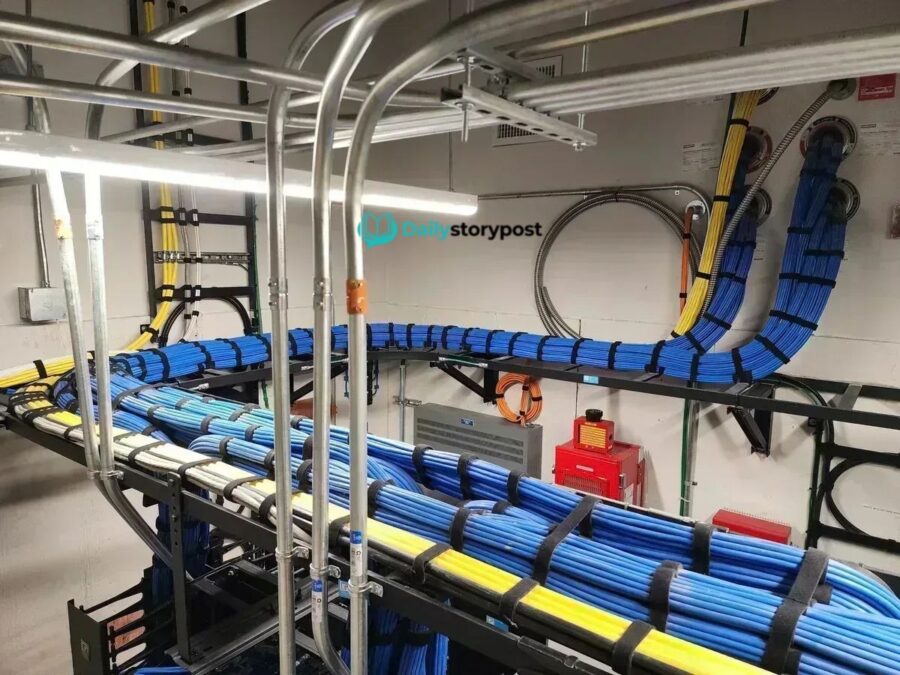
Instead of installing separate cables whenever a new device is added, a structured system creates an organized network that can support multiple technologies. It can be designed to handle computers, telephones, wireless access points, security cameras, servers, and other communication equipment.
A professional structured cabling system generally includes cabling, patch panels, network racks, telecommunications rooms, outlets, and other connectivity components.
The main goal is to create a network that is organized, reliable, easy to manage, and capable of supporting future requirements.
Why Businesses in Dubai Need Structured Cabling
Modern businesses generate and transfer large amounts of data every day. Employees may use cloud applications, video conferencing, VoIP phones, online systems, file-sharing platforms, and other digital services simultaneously.
Poorly installed or disorganized cabling can create connectivity problems, make troubleshooting difficult, and increase maintenance costs.
A professionally designed cabling infrastructure provides a strong physical foundation for the network. It also makes future upgrades easier because additional equipment can often be connected without completely rebuilding the existing system.
Benefits of Structured Cabling Services in Dubai
1. Better Network Organization

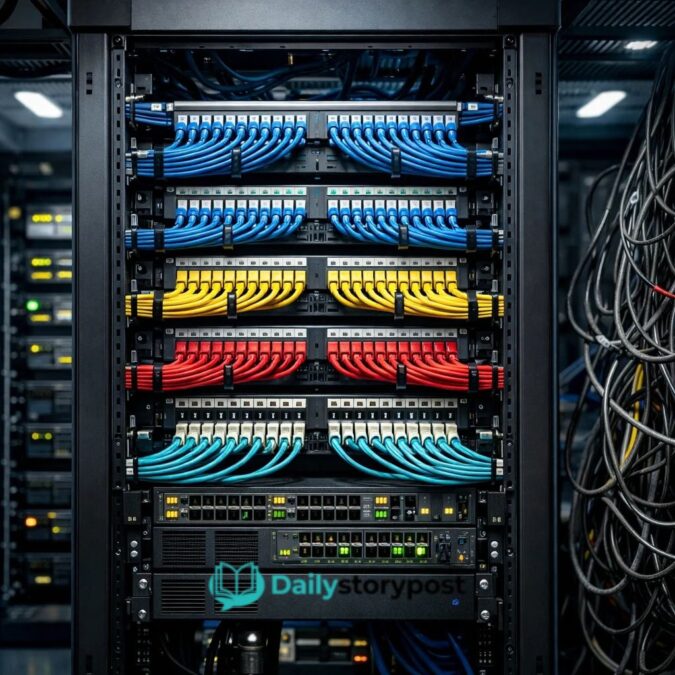
A structured cabling system keeps network cables properly arranged and labeled. This reduces cable clutter and makes it easier for technicians to identify individual connections.
An organized installation is particularly useful in offices with multiple departments, workstations, servers, and network devices.
2. Easy Scalability
Businesses often expand their teams, offices, and technology systems. A structured network can be designed with future growth in mind.
When additional workstations or devices are required, technicians can use the existing infrastructure or expand it in a planned way rather than creating a completely separate cabling system.
3. Improved Network Performance
The quality and design of physical cabling can have a direct effect on network performance. Properly installed cables help provide reliable communication between network devices.
Depending on the business requirements, different types of copper and fiber-optic cabling can be used to support appropriate bandwidth and transmission distances.
4. Easier Troubleshooting
When cables are properly labeled, routed, and documented, network technicians can locate problems more efficiently.
This can reduce the time required to identify damaged cables, incorrect connections, or other physical network issues.
5. Reduced Maintenance Problems
A professionally installed cabling system can make routine maintenance easier. Proper cable management also reduces the chances of accidental disconnections and unnecessary physical damage.
Over time, this can help businesses maintain a more dependable network environment.
6. Professional Workspace
Excessive and poorly arranged cables can make an office look untidy. Structured cabling provides a cleaner installation by organizing cables through racks, pathways, patch panels, and other management systems.
A clean infrastructure also makes future maintenance work more convenient.
Key Components of a Structured Cabling System
A structured cabling installation consists of several important components. Each part has a specific role in keeping the network organized.
Horizontal Cabling
Horizontal cabling connects individual work areas to a telecommunications room or distribution point. It is commonly used to connect computers, printers, phones, wireless access points, and other devices.
Backbone Cabling
Backbone cabling connects different telecommunications rooms, floors, or areas within a building. Fiber-optic cables are often considered for backbone applications where longer distances and higher bandwidth are required.
Patch Panels
Patch panels provide an organized point for connecting and managing network cables. They make it easier to identify connections and modify the network when required.
Network Racks
Network racks provide a secure and organized location for switches, patch panels, servers, routers, and other equipment.
Proper rack organization can improve airflow, cable management, and accessibility.
Telecommunications Rooms
Telecommunications rooms act as central locations for network equipment and cable connections. Their design and organization are important for maintaining a reliable infrastructure.
What Are LAN Cabling Services in Dubai?
LAN stands for Local Area Network. LAN cabling connects computers, printers, servers, switches, access points, and other devices within a limited area such as an office, building, school, warehouse, or commercial facility.
LAN cabling is an important part of modern business infrastructure because many daily activities depend on communication between local network devices.
A properly planned LAN can support file sharing, internal applications, internet access, VoIP communication, cloud services, printing, and other business operations.
Benefits of Professional LAN Cabling
High-Speed Data Transfer
Modern offices require fast communication between devices. Properly selected and installed LAN cabling can support the data requirements of business applications and network equipment.
Reliable Connectivity
A professional installation helps reduce common physical connectivity problems caused by poor cable routing, damaged cables, loose connections, or incorrect termination.
Better Network Management
A structured LAN makes it easier for IT teams to monitor, maintain, and troubleshoot network connections.
Clear labeling and documentation can be especially useful when an office has many users and network devices.
Support for Business Growth
A scalable LAN infrastructure allows businesses to add new users and devices more easily as their requirements change.
Copper vs. Fiber-Optic Cabling
Businesses may use different cabling technologies depending on their network requirements.
Copper Cabling
Copper Ethernet cabling is commonly used for connecting workstations, printers, phones, access points, and other network devices.
It is suitable for many office environments and is available in different categories designed to support different network speeds and specifications.
Fiber-Optic Cabling
Fiber-optic cabling uses light to transmit data and is designed for high-bandwidth and longer-distance connections.
It can be particularly useful for backbone connections, large facilities, data-intensive environments, and connections between different areas of a building.
The right choice depends on factors such as distance, bandwidth requirements, building layout, budget, and future expansion plans.
How Structured Cabling Is Installed
A professional installation normally starts with an assessment of the building and business requirements.
Step 1: Site Assessment
Technicians review the building layout, number of users, equipment locations, network requirements, and possible expansion needs.
Step 2: Network Design
A cabling plan is prepared to determine cable routes, telecommunications rooms, rack locations, outlets, and equipment connections.
Step 3: Cable Installation
The selected cables are installed through suitable pathways while maintaining proper routing and separation from potential sources of interference.
Step 4: Termination
Cables are terminated at outlets, patch panels, and other connection points according to the network design.
Step 5: Testing
The completed cabling should be tested to identify connection problems and verify that the installation meets the required performance standards.
Step 6: Labeling and Documentation
Proper labeling and documentation make future maintenance and troubleshooting much easier.
How to Choose a Structured Cabling Provider in Dubai
Choosing an experienced service provider is an important part of any cabling project.
Experience
Look for a company with experience handling commercial cabling projects and different types of business environments.
Quality Materials
The quality of cables, connectors, patch panels, racks, and other components can affect the reliability of the network. Ask about the materials being used before starting the project.
Proper Planning
A good provider should understand the current requirements while also considering future expansion.
Testing and Documentation
Ask whether the completed installation will be tested and documented. Proper records can make future maintenance much easier.
After-Installation Support
Network infrastructure may require maintenance, troubleshooting, or modifications later. Reliable technical support can therefore be an important consideration.
Common Structured Cabling Mistakes to Avoid
Businesses can experience unnecessary network problems when cabling projects are poorly planned.
Some common mistakes include:
- Using low-quality cables or connectors
- Installing cables without proper labeling
- Creating excessive cable clutter
- Ignoring future expansion requirements
- Poor cable routing
- Failing to test completed connections
- Not maintaining network documentation
- Overlooking proper rack and patch-panel organization
Avoiding these issues can help create a more reliable and manageable network infrastructure.
Future-Proofing Your Network Infrastructure
Technology continues to change rapidly, and businesses need network infrastructure that can adapt to new requirements.
A well-designed structured cabling system provides a foundation for future technologies and network upgrades. Planning for additional users, higher bandwidth requirements, new wireless access points, security systems, and other devices can reduce the need for major infrastructure changes later.
Future-proofing does not mean installing the most expensive equipment available. Instead, it means creating a sensible infrastructure that considers both current requirements and realistic future needs.
Maintenance of Structured Cabling Systems
Even a professionally installed network requires proper maintenance.
Businesses should periodically inspect network racks, patch panels, cable pathways, and connection points. Damaged cables should be replaced, while unused connections can be identified and documented.
Keeping an updated cabling diagram and labeling system can also help technicians troubleshoot problems more quickly.
Regular maintenance is particularly important in large offices and facilities where hundreds of network connections may be installed.
Conclusion
Structured cabling services in Dubai provide the physical foundation needed for reliable business networking. A properly designed system can improve organization, support network performance, simplify maintenance, and provide flexibility for future expansion.
LAN cabling is an important part of this infrastructure, connecting computers, servers, switches, access points, and other devices within offices and commercial facilities.
When planning a cabling project, businesses should consider the building layout, current network requirements, future growth, cable quality, installation standards, testing, documentation, and ongoing support.
A well-planned structured cabling system is not simply a collection of network cables. It is a long-term infrastructure investment that can help businesses maintain a cleaner, more manageable, and adaptable network environment.
FAQs
1. What are structured cabling services in Dubai?
Structured cabling services involve designing, installing, organizing, testing, and maintaining a standardized network cabling system for offices and commercial buildings.
2. Why is structured cabling important for businesses?
It provides an organized and scalable network infrastructure that can support computers, servers, phones, wireless devices, security systems, and future technology upgrades.
3. What is LAN cabling?
LAN cabling connects computers, printers, servers, switches, and other devices within a local area such as an office or building.
4. What is the difference between copper and fiber-optic cabling?
Copper cabling is commonly used for shorter network connections, while fiber-optic cabling is suitable for longer distances and higher-bandwidth requirements.
5. How can businesses maintain structured cabling?
Regular inspections, proper labeling, cable management, connection testing, and updated network documentation can help keep a structured cabling system reliable and easy to manage.