Home Safety
How KDArchitects Landscape Ideas by Morph Transform Outdoor Spaces

Outdoor spaces are no longer viewed as areas that simply surround a home or commercial building. Today, they have become valuable extensions of living and working environments where people relax, entertain guests, connect with nature, and improve their overall quality of life. Modern landscape architecture focuses on creating outdoor areas that are not only attractive but also practical, sustainable, and comfortable throughout the year.
One design approach that has attracted growing attention is kdarchitects landscape ideas by morph. This concept combines architectural planning with carefully designed landscapes to create outdoor environments that feel balanced, functional, and visually appealing. Instead of treating gardens, patios, and walkways as separate features, this design philosophy integrates every element into one unified experience.
Whether the project involves a private residence, a public park, or a commercial property, thoughtful landscape planning can dramatically change how people interact with outdoor spaces. Carefully selected plants, natural materials, lighting, water features, and outdoor seating work together to create an environment that serves both practical needs and aesthetic goals.
This article explores how kdarchitects landscape ideas by morph transform outdoor spaces, the design principles behind the concept, and the practical ideas homeowners and designers can use to create landscapes that remain beautiful for years.
BIO
| Label | Information |
|---|---|
| Topic | KDArchitects Landscape Ideas by Morph |
| Category | Landscape Architecture |
| Design Style | Modern and functional |
| Main Purpose | Transform outdoor spaces |
| Focus | Beauty, comfort, and usability |
| Key Features | Sustainable, clean, and practical designs |
| Common Elements | Plants, pathways, lighting, and water features |
| Suitable For | Homes, gardens, and commercial spaces |
| Design Approach | Blends architecture with nature |
| Main Benefits | Better curb appeal and outdoor living |
| Sustainability | Uses eco-friendly materials and native plants |
| Best For | Creating stylish and low-maintenance landscapes |
Understanding KDArchitects Landscape Ideas by Morph
The idea behind kdarchitects landscape ideas by morph is to treat architecture and landscape design as one connected system rather than two separate disciplines. Every outdoor feature is planned with the building’s style, surrounding environment, and user experience in mind.
Rather than filling empty land with decorative plants alone, this approach begins by understanding how people will use the space. Designers consider movement, sunlight, privacy, views, drainage, accessibility, and environmental conditions before selecting materials or vegetation.
The result is an outdoor environment where each pathway, garden bed, seating area, and lighting fixture has a clear purpose. The landscape complements the architecture instead of competing with it, creating a seamless transition between indoor and outdoor living.
Another important characteristic of this design philosophy is simplicity. Clean lines, open layouts, natural textures, and carefully selected plant palettes create landscapes that feel timeless rather than trendy. This allows outdoor spaces to remain attractive even as design preferences evolve.
The Core Philosophy Behind the Design

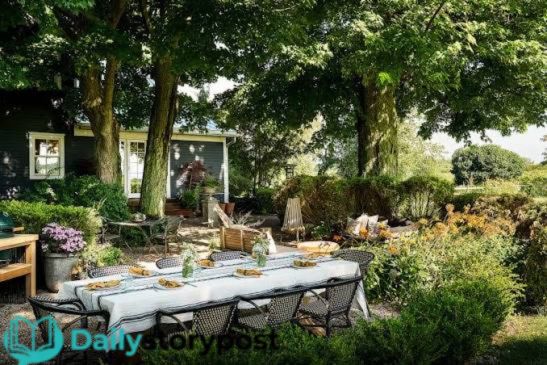
Modern landscape architecture is built on several principles, and kdarchitects landscape ideas by morph reflect many of them.
The first principle is functionality. Every square foot of outdoor space should serve a purpose. Whether the goal is entertaining guests, providing children’s play areas, creating peaceful gardens, or improving accessibility, every design decision supports daily living.
The second principle focuses on harmony. Buildings, gardens, hardscape materials, lighting, and natural surroundings should work together instead of appearing disconnected.
The third principle emphasizes sustainability. Native plants, efficient irrigation systems, environmentally friendly materials, and thoughtful drainage reduce maintenance while protecting natural resources.
Finally, the design values long-term durability. Quality materials and practical layouts ensure landscapes continue performing well despite changing seasons and weather conditions.
Why Outdoor Landscape Design Matters
Landscape design has become an essential part of modern architecture because it affects both appearance and everyday living. A well-planned landscape offers benefits that extend far beyond decoration.
Beautiful outdoor environments encourage people to spend more time outside. Families enjoy relaxing on patios, children have safe places to play, and homeowners gain additional living space without expanding the building itself.
Thoughtful landscaping also increases property value. Real estate professionals consistently recognize attractive outdoor environments as one of the factors that improve curb appeal and buyer interest. First impressions often begin before someone enters the home, making landscaping an important investment.
Another advantage is environmental improvement. Trees provide shade, plants filter pollutants, and permeable surfaces help manage stormwater. These features contribute to healthier ecosystems while creating more comfortable outdoor environments.
Well-designed landscapes can even improve mental well-being. Research from environmental psychology has shown that spending time in green spaces reduces stress, supports relaxation, and encourages physical activity. Outdoor environments designed with comfort in mind naturally become places where people enjoy gathering and unwinding.
Creating Harmony Between Architecture and Nature
One of the defining strengths of kdarchitects landscape ideas by morph is the ability to blend architecture with the surrounding natural environment.
Instead of placing isolated gardens around a building, the design creates visual continuity. Materials used on building exteriors often appear again in pathways, retaining walls, or outdoor seating. Similar colors and textures strengthen the relationship between indoor and outdoor areas.
Large windows may frame carefully positioned trees, while patios extend interior living rooms into outdoor gathering spaces. Water features often reflect architectural elements, creating balance throughout the property.
Natural planting softens hard architectural lines without overwhelming them. Shrubs, ornamental grasses, flowering plants, and shade trees are positioned to enhance rather than hide the building’s design.
This balance produces outdoor spaces that feel intentional rather than crowded.
Making Every Outdoor Space Functional
Beautiful landscapes must also work well in daily life.
The principles behind kdarchitects landscape ideas by morph encourage designers to divide outdoor areas into practical zones. Each section serves a specific function while remaining visually connected to neighboring spaces.
Dining patios become outdoor extensions of kitchens.
Quiet gardens offer peaceful reading spaces.
Fire pit areas encourage evening gatherings.
Children receive safe play spaces without disrupting the landscape’s overall appearance.
Walkways improve circulation by connecting entrances, seating areas, gardens, and recreational spaces through comfortable paths.
This organized approach allows homeowners to enjoy multiple outdoor activities without wasting valuable space.
Transforming Small Outdoor Areas
Many homeowners believe beautiful landscaping requires a large property. Modern landscape architecture proves otherwise.
Even compact courtyards, narrow side yards, balconies, and urban gardens can become impressive outdoor retreats when planned carefully.
Vertical gardens introduce greenery without occupying ground space.
Built-in seating reduces clutter while maximizing functionality.
Raised planting beds create visual depth.
Reflective water features and strategically placed lighting make small gardens feel larger during both day and evening hours.
Choosing fewer plant varieties often creates stronger visual impact than overcrowding a limited area with numerous species.
The goal is not to make the space appear bigger but to ensure every element serves both practical and aesthetic purposes.
Designing Large Landscapes with Balance
Larger properties present different challenges.
Without careful planning, expansive lawns may feel empty, while excessive planting creates visual confusion.
The kdarchitects landscape ideas by morph approach organizes larger landscapes into connected outdoor rooms.
Garden paths naturally guide movement through the property.
Open lawns provide flexibility for recreation.
Trees establish shade and privacy.
Water features become focal points that connect surrounding planting areas.
Outdoor kitchens, pergolas, pools, and entertainment spaces are positioned according to how people naturally use the property rather than simply filling available land.
This thoughtful organization keeps even large landscapes welcoming and easy to navigate.
The Role of Hardscape Elements
Hardscape refers to the permanent structural features within a landscape.
Stone pathways, paved courtyards, retaining walls, decks, pergolas, staircases, and outdoor kitchens all contribute to the overall design.
In kdarchitects landscape ideas by morph, hardscape provides structure while supporting everyday activities.
Natural stone often introduces texture and durability.
Concrete may be used for clean contemporary designs.
Wood creates warmth around seating areas and decks.
Permeable paving helps manage rainwater while reducing runoff.
Proper hardscape planning also improves accessibility, ensuring outdoor spaces remain comfortable for people of all ages.
Rather than dominating the landscape, these structural features support surrounding plants and architectural elements.
The Importance of Softscape Design
Softscape includes all living components of the landscape, including trees, shrubs, flowers, lawns, ornamental grasses, and ground covers.
Plant selection influences not only appearance but also maintenance requirements, biodiversity, and seasonal interest.
A successful landscape usually combines evergreen plants that provide year-round structure with flowering species that introduce seasonal color.
Layering different plant heights creates depth and natural movement.
Native plants often perform better because they are already adapted to local climate conditions. They generally require less irrigation, fewer chemical treatments, and reduced maintenance while supporting birds and beneficial insects.
Instead of overwhelming visitors with countless plant varieties, successful landscapes rely on repetition and thoughtful grouping to create visual unity.
Using Water Features Effectively
Water has long been considered one of the most calming elements in landscape architecture.
Small fountains introduce gentle sound that masks nearby traffic noise.
Reflecting pools create elegant visual symmetry.
Streams and waterfalls add movement while attracting birds and wildlife.
Modern designs often incorporate sustainable water circulation systems that minimize waste while maintaining visual appeal.
Water features should always complement the surrounding environment rather than dominate it. Their size, placement, and materials should match the overall character of the landscape.
When integrated properly, water becomes a central feature that enhances both relaxation and aesthetic value.
Outdoor Lighting That Brings Landscapes to Life
Landscape lighting transforms outdoor spaces after sunset.
Instead of relying solely on bright floodlights, modern landscape design uses layers of lighting to improve safety, comfort, and beauty.
Path lighting guides visitors safely through walkways.
Accent lighting highlights architectural features and specimen trees.
Warm lighting beneath seating areas creates inviting gathering spaces.
Soft uplighting draws attention to textured walls and mature trees.
Lighting also extends the usability of outdoor spaces, allowing homeowners to enjoy patios, gardens, and entertainment areas long after daylight ends.
Energy-efficient LED systems and smart controls have made outdoor lighting more sustainable while reducing long-term operating costs.
(Continued in Part 2 with sustainable landscape ideas, planning strategies, common mistakes, expert tips, benefits, conclusion, and SEO FAQs.)
Frequently Asked Questions
1. What are KDArchitects landscape ideas by Morph?
KDArchitects landscape ideas by Morph focus on creating outdoor spaces that blend architecture, nature, and functionality. The approach emphasizes modern design, sustainability, and practical layouts for homes and commercial properties.
2. Can these landscape ideas be used in small outdoor spaces?
Yes. The design principles work well for small gardens, courtyards, balconies, and compact backyards. Smart layouts, vertical planting, and multi-purpose features help maximize limited space.
3. What materials are commonly used in this landscape style?
Natural stone, timber, concrete, gravel, and eco-friendly paving materials are commonly used. These materials create a clean, durable, and timeless appearance while complementing the surrounding landscape.
4. How do KDArchitects landscape ideas by Morph support sustainability?
The design encourages the use of native plants, water-efficient irrigation, permeable paving, and environmentally friendly materials. These features reduce maintenance, conserve resources, and promote healthier outdoor environments.
5. Why are these landscape ideas becoming popular?
They offer a balanced combination of beauty, functionality, and long-term value. By integrating architecture with thoughtful landscaping, this approach creates outdoor spaces that are comfortable, visually appealing, and suitable for modern living.