
Entertainment
How to Use PVStory to Create Better Stories with Ease


Creating engaging stories has become an essential part of digital communication. Whether you’re sharing moments on social media, promoting a business, or simply exploring public content for inspiration, having the right tool can make the process easier. PVStory is a web-based platform that allows users to view publicly available Instagram stories, profiles, highlights, and posts without logging into an Instagram account. Its simple interface and privacy-focused approach have made it a popular choice for people who want to browse public content conveniently.
This guide explains what PVStory is, how it works, and how you can use it effectively to improve your storytelling process. Along the way, you’ll also discover practical tips, common mistakes to avoid, and best practices for creating stories that connect with your audience.
What Is PVStory?
PVStory is an online platform designed to help users access publicly available Instagram content without requiring an account login. Users can search for a public Instagram profile and view stories, highlights, posts, and profile information directly through a web browser.
One of the main reasons people choose PVStory is its straightforward design. Instead of navigating through multiple menus or installing an application, visitors can simply search for a public account and browse available content in just a few clicks.
Important: PVStory only works with content shared from public Instagram accounts. It cannot access private profiles or restricted content.
BIO
| Label | Information |
|---|---|
| Name | PVStory |
| Type | Web-based Instagram story viewer |
| Primary Purpose | View public Instagram stories and profiles |
| Platform | Browser-based online tool |
| Login Required | No account login needed |
| Supported Content | Stories, highlights, posts, and profiles |
| Access | Public Instagram accounts only |
| Best For | Content creators, marketers, bloggers, and researchers |
| Key Features | Story viewing, highlights, profile browsing, simple interface |
| Device Support | Desktop, tablet, and mobile browsers |
| Main Benefit | Easy access to public content for inspiration and research |
| Privacy Note | Does not provide access to private Instagram accounts |
Who Can Benefit from PVStory?
PVStory serves a wide variety of users. Different people use the platform for different purposes, including:
- Content creators looking for creative inspiration.
- Bloggers researching current visual trends.
- Social media managers monitoring public campaigns.
- Small business owners observing competitor storytelling.
- Marketing professionals studying audience engagement.
- Students learning about digital storytelling techniques.
- Casual users who prefer browsing public stories without logging into Instagram.
Because the platform is browser-based, it is accessible from desktops, laptops, tablets, and smartphones, making it convenient for users on different devices.
Why Many Users Choose PVStory

Digital tools should simplify everyday tasks rather than complicate them. PVStory focuses on providing quick access to publicly shared content while maintaining a clean and user-friendly experience.
Some of its most appreciated advantages include:
Simple Interface
The website is designed with ease of use in mind. Users do not need advanced technical knowledge to search for a profile or browse available stories.
No Account Login Required
One of PVStory’s distinguishing features is that it does not require users to sign into an Instagram account simply to view public content.
Browser-Based Access
Since everything operates through a web browser, there is generally no need to install additional software.
Privacy-Oriented Experience
Many users appreciate being able to browse public stories without interacting directly through their Instagram account.
Quick Navigation
The platform allows users to move between stories, highlights, and public posts with minimal effort.
These features make PVStory especially useful for research, inspiration, and observing storytelling techniques used by public creators and brands.
Key Features of PVStory
Understanding the platform’s capabilities helps you make better use of it.
Public Story Viewing
Users can view stories posted by public Instagram accounts. Stories are displayed through an easy-to-read interface that makes browsing simple.
Highlight Access
Many creators organize important content into Instagram Highlights. PVStory allows users to explore these collections whenever they are publicly available.
Highlights often reveal:
- Brand identity
- Frequently asked questions
- Product showcases
- Travel experiences
- Educational content
Studying highlights can provide useful inspiration for organizing your own stories.
Public Posts
Beyond stories, users can also browse publicly available posts from supported profiles. This provides additional context about a creator’s visual style and content strategy.
Profile Information
PVStory displays basic public profile information, allowing users to better understand a creator’s overall content direction.
Mobile-Friendly Design
Whether you’re using a phone or desktop computer, the platform adapars to different screen sizes for a smoother browsing experience.
How to Use PVStory to Create Better Stories with Ease
While PVStory itself is primarily a viewing platform, it can become an excellent source of inspiration for improving your own storytelling.
Step 1: Identify Your Goal
Before opening PVStory, decide what you’re hoping to learn.
For example:
- Design inspiration
- Story sequence ideas
- Product presentation
- Educational storytelling
- Lifestyle content
- Brand communication
Having a clear goal helps you focus on useful examples instead of endlessly browsing.
Step 2: Search Relevant Public Accounts
Look for creators, businesses, educators, or brands that consistently publish engaging stories.
Pay attention to accounts that have:
- Strong visual consistency
- Clear messaging
- High audience engagement
- Creative storytelling
- Organized highlights
Studying successful creators helps you understand what captures attention naturally.
Step 3: Observe Story Structure
Great stories usually follow a logical flow rather than presenting random images.
Notice how creators often begin by introducing a topic, continue with supporting visuals or information, and end with a conclusion or call to action.
This simple beginning-middle-end structure makes stories easier to follow.
Step 4: Analyze Visual Design
Instead of copying another creator’s style, study the design principles behind effective stories.
Ask yourself questions such as:
- Are the colors consistent?
- Is the text easy to read?
- Do images support the message?
- Is there enough spacing?
- Does each slide focus on one idea?
Small design choices often have a significant impact on audience engagement.
Step 5: Learn from Story Highlights
Highlights are valuable because creators intentionally save their best or most useful stories.
Look at how different categories are organized.
For example:
- About
- Reviews
- Tutorials
- Products
- Events
- Behind the Scenes
This organization can inspire your own long-term storytelling strategy.
Step 6: Take Notes Instead of Copying
One of the best ways to use PVStory is for learning—not imitation.
Keep notes about:
- Story ideas
- Color combinations
- Writing style
- Layout preferences
- Audience interaction methods
Use these observations to develop your own unique creative approach.
Step 7: Apply What You Learn
The final step is putting inspiration into practice.
Experiment with:
- Better introductions
- Cleaner visuals
- More consistent branding
- Stronger storytelling flow
- Clear calls to action
Over time, these small improvements can make your stories more engaging and memorable.
Frequently Asked Questions (FAQs)
1. What is PVStory used for?
PVStory is an online platform that allows users to view publicly available Instagram stories, highlights, posts, and profiles without logging into an Instagram account. It is commonly used for browsing public content, gathering inspiration, and observing storytelling styles.
2. Can I use PVStory without an Instagram account?
Yes. One of the main advantages of PVStory is that it lets you view content from public Instagram accounts without creating or signing into an Instagram account.
3. Does PVStory allow users to view private Instagram accounts?
No. PVStory only provides access to content shared by public Instagram accounts. It cannot display stories, posts, or profile information from private accounts.
4. How can PVStory help improve storytelling?
PVStory helps users discover creative storytelling ideas by exploring how public creators and brands organize their stories, use visuals, and present content. These insights can inspire you to create more engaging and well-structured stories of your own.
5. Is PVStory safe and easy to use?
Yes. PVStory is designed with a simple, browser-based interface that makes it easy to navigate. Users can quickly search for public profiles and view available content without downloading additional software or logging into Instagram.

MrBeast is one of the most recognizable creators on YouTube, but his story began long before the huge challenges, giveaways, businesses, and charitable projects that made him famous. Born as Jimmy Donaldson, he started making videos as a teenager and spent years experimenting with different types of content before finding the formula that changed his career.
For people searching for mr beast age, his birth date is May 7, 1998. As of September 2026, MrBeast is 28 years old. His journey is particularly interesting because much of his career has unfolded while he was still very young. He began uploading videos at around 13 and gradually turned a small YouTube hobby into a large media and business operation.
His career also shows how much online video has changed. What started with simple gaming and commentary content eventually developed into large-scale competitions, product brands, entertainment projects, and philanthropy.
BIO
| Label | Information |
|---|---|
| Full Name | Jimmy Donaldson |
| Known As | MrBeast |
| Date of Birth | May 7, 1998 |
| Age | 28 years (2026) |
| Birthplace | Wichita, Kansas, USA |
| Profession | YouTuber and Entrepreneur |
| YouTube Start | Around age 13 |
| Major Breakthrough | Counting to 100,000 video |
| Main Content | Challenges, Giveaways, Entertainment |
| Major Brand | Feastables |
| Charity Organization | Beast Philanthropy |
| YouTube Milestone | 100 million subscribers in 2022 |
| Known For | Large-scale videos and philanthropy |
Mr Beast Age and Birth Date
MrBeast was born James Stephen Donaldson on May 7, 1998, in Wichita, Kansas. He is widely known by his online name, MrBeast, while friends, family, and people who have worked with him commonly refer to him as Jimmy.
Because his birthday is May 7, his age changes every year on that date. He turned 28 in May 2026.
His early connection with YouTube is especially notable. According to biographical information about his career, Donaldson began his YouTube journey when he was around 13 years old. That means he has spent more than half of his life creating online content.
His age is important when looking at his career because many of his biggest milestones happened during his teenage years and twenties.
MrBeast’s Early Life

Jimmy Donaldson was born in Kansas and grew up in the United States. His family moved several times during his childhood, and his mother served in the U.S. military.
As a child, Donaldson did not begin with a clear plan to become one of the world’s biggest online creators. Like many young people, he explored different interests while growing up. YouTube eventually became the place where he could experiment with ideas and learn what attracted viewers.
His early years on the platform were not an overnight success story. He uploaded different types of videos and spent considerable time learning how YouTube worked.
That period of experimentation became an important part of his development. Instead of immediately finding a successful formula, he tried different concepts and gradually learned how audiences responded to titles, thumbnails, video ideas, and pacing.
How MrBeast Started YouTube
Donaldson began uploading videos as a teenager. His early content included gaming videos, commentary, and other experiments as he tried to understand what could attract an audience.
The early stage of his career was very different from the MrBeast brand people know today. His videos did not initially involve enormous sets, hundreds of contestants, or large cash prizes.
He was learning the basics.
Over time, Donaldson became increasingly interested in studying YouTube itself. He paid attention to what made videos successful and analyzed the work of other creators. His goal was not simply to upload videos but to understand why viewers chose to watch one video instead of another.
This focus eventually became one of the defining characteristics of his career.
The official MrBeast story says he spent years experimenting with gaming videos, commentary, and other content before his approach began to change.
The Video That Changed His Career
One of the major turning points came in 2017 when Donaldson uploaded a video of himself counting to 100,000.
The idea sounds extremely simple, but the video became a major breakthrough. According to MrBeast’s own account of his career, the recording took roughly 40 hours and became his first major viral success.
That moment helped demonstrate something that would become central to his future videos: a simple idea can become compelling when the creator pushes it to an unusual extreme.
After this breakthrough, his videos increasingly focused on unusual challenges, endurance, money, competitions, and surprising situations.
The scale began to grow.
Instead of simply trying to make another video, Donaldson increasingly looked for ideas that could make viewers curious before they even clicked.
MrBeast’s Rise to YouTube Success
MrBeast’s growth did not happen because of one video alone. His channel developed over several years as he continued experimenting with increasingly ambitious concepts.
His videos began featuring larger prizes and more complicated challenges. He also developed a recognizable production style built around clear ideas, fast pacing, dramatic situations, and straightforward explanations of what participants had to do.
Another important part of the formula was reinvestment.
As his channel earned more money, he used much of that success to make larger videos. Larger videos could attract more viewers, and the resulting audience could help fund future projects.
The official MrBeast story describes this cycle as an approach in which sponsorships, earnings, and audience growth helped finance increasingly ambitious content.
This strategy helped transform his channel from a personal YouTube account into a major entertainment operation.
How Old Was MrBeast When He Became Famous?
This is one of the most interesting parts of the mr beast age story.
Donaldson started YouTube at about 13. He spent several years building experience before reaching the level of recognition associated with his name today.
His major viral breakthrough with the 100,000-counting video happened in 2017, when he was 19 years old.
That means his rise to major internet fame happened relatively early in adulthood.
He was still in his teens when he began developing the ideas that would eventually define his career. By his twenties, his videos had expanded dramatically in size and ambition.
This timeline helps explain why his career is often discussed as an example of a creator growing alongside the platform itself.
MrBeast’s Major Career Milestones
MrBeast’s career can be understood through several important stages.
At around 13: Donaldson began experimenting with YouTube videos.
During his teenage years: He tried gaming, commentary, and different forms of online content while learning how YouTube audiences behaved.
At 19: His video involving counting to 100,000 became a major viral breakthrough.
In his early twenties: His videos became much larger, with major challenges, giveaways, and increasingly expensive productions.
In 2022: MrBeast crossed the 100-million-subscriber mark on YouTube, another major milestone in his career.
In 2024: His main channel passed T-Series and became the most-subscribed YouTube channel, according to the official MrBeast account of his history.
In 2026: The MrBeast brand reported reaching 500 million subscribers, making Donaldson the first individual creator to reach that milestone.
These milestones show how quickly his online presence expanded compared with the modest scale of his earliest videos.
MrBeast’s Challenge Videos
Challenge videos became one of the most recognizable parts of the MrBeast brand.
Rather than simply filming everyday activities, his team developed concepts that were easy to understand but difficult or unusual to complete. Some videos involved large groups of people, while others centered on endurance, competition, money, or unusual environments.
The appeal often comes from a simple question: What happens if someone actually tries this?
That question can be understood without complicated background information, which makes the videos accessible to a very broad audience.
Over time, the production quality became more sophisticated. Sets became larger, challenges became more complicated, and videos required bigger teams to organize.
This evolution helped turn individual YouTube uploads into large entertainment productions.
MrBeast’s Businesses
MrBeast’s career eventually moved beyond YouTube.
One of his best-known ventures was MrBeast Burger, a food brand launched around the idea of bringing his online audience into the restaurant business. The venture received significant attention because of the size of his existing audience. Forbes reported on the brand’s physical restaurant launch at American Dream in New Jersey in 2022.
Another major business is Feastables, a snack and chocolate brand connected to the MrBeast name.
These businesses demonstrate how a creator can use an established online audience to build brands outside traditional video content.
His wider business activities have continued to expand as his media presence has grown.
Beast Philanthropy
Charity has also become an important part of MrBeast’s public work.
Beast Philanthropy is a nonprofit founded by Jimmy Donaldson. Its stated mission is to use the reach of the MrBeast audience to support real-world projects and encourage charitable action.
The organization says that revenue from its YouTube channel is used to fund its charitable work. It focuses on areas including hunger, community support, and other projects carried out with partner organizations.
The scale of this work has grown considerably.
Beast Philanthropy reports projects across multiple countries and continents, including food distribution, clean-water initiatives, medical projects, and community programs. Its published impact information includes millions of meals delivered and substantial fundraising for clean-water access.
One reason the charity receives attention is its connection to YouTube. Instead of treating philanthropy as something completely separate from entertainment, the organization uses online content to raise awareness and generate revenue for projects.
MrBeast’s Approach to Philanthropy
MrBeast’s charitable projects often follow the same broad principle as his videos: take an idea and make it understandable to a large audience.
Beast Philanthropy says it emphasizes measurable and documented outcomes. The organization describes a process involving project planning, partnerships, documentation, and verification of results.
Its published work includes food assistance programs, clean-water projects, medical initiatives, and other forms of community support.
The organization also publishes information about completed and ongoing projects, allowing audiences to see examples of how funds and attention are being used.
Why MrBeast Became So Successful on YouTube
There is no single reason that explains the entire MrBeast phenomenon.
His career combines several elements that work well together.
First, his video concepts are generally easy to understand. A viewer can usually recognize the basic challenge within seconds.
Second, the videos create curiosity. Viewers want to know who will win, whether someone can finish a challenge, or what will happen at the end.
Third, the production scale has continued to increase.
Finally, Donaldson has spent years studying the platform. His long period of experimentation gave him experience with content creation, audience behavior, thumbnails, titles, and video structure.
The result is a production system that is much larger than the simple videos he made as a teenager.
MrBeast Age Today
As of September 2026, MrBeast is 28 years old.
His age becomes more interesting when viewed alongside his career timeline. He started uploading videos at about 13, experienced a major viral breakthrough at 19, reached 100 million YouTube subscribers in his twenties, and continued expanding into businesses, entertainment, and philanthropy.
In other words, much of the career that made him famous has happened before the age of 30.
His story is therefore not simply about how old MrBeast is. It is also about how long he has been working on the same basic craft.
By his late twenties, he had already spent roughly 15 years experimenting with online video.
Frequently Asked Questions About MrBeast
How old is MrBeast?
MrBeast is 28 years old as of September 2026. He was born on May 7, 1998.
What is MrBeast’s real name?
MrBeast’s real name is Jimmy Donaldson. His full name is commonly listed as James Stephen Donaldson.
When was MrBeast born?
MrBeast was born on May 7, 1998, in Wichita, Kansas.
When did MrBeast start YouTube?
Donaldson began experimenting with YouTube at around 13 years old. His early content included gaming, commentary, and other experiments before his channel developed its modern style.
How old was MrBeast when he became famous?
MrBeast was around 19 years old when his 100,000-counting video became a major viral breakthrough in 2017.
What is MrBeast known for?
MrBeast is known for large-scale YouTube challenges, competitions, giveaways, entertainment projects, businesses, and philanthropy.
Does MrBeast do charity work?
Yes. Beast Philanthropy, founded by Jimmy Donaldson, operates charitable projects involving areas such as food assistance, community support, clean water, and medical initiatives.
Conclusion
The story behind mr beast age is more than a simple birthday fact. Jimmy Donaldson was born on May 7, 1998, and began experimenting with YouTube when he was only about 13. Years of trial and error eventually led to the viral success that helped establish the MrBeast brand.
His career then expanded rapidly. Challenges became larger, videos became more expensive, and his YouTube audience grew into a global community. Along the way, he developed businesses such as MrBeast Burger and Feastables and established Beast Philanthropy to support charitable projects.
At 28 years old in 2026, MrBeast has already spent roughly half of his life creating content online. That long period of experimentation is an important part of understanding his career.
Rather than appearing suddenly, his success developed through years of uploading, testing ideas, learning from audiences, and gradually increasing the scale of his work. His journey from a teenage YouTube creator to a major online entertainer and entrepreneur remains one of the most notable creator stories of the digital era.
FAQs
How old is MrBeast?
MrBeast is 28 years old as of September 2026. He was born on May 7, 1998.
What is MrBeast’s real name?
MrBeast’s real name is Jimmy Donaldson, although his full name is James Stephen Donaldson.
When did MrBeast start YouTube?
MrBeast started experimenting with YouTube at around 13 years old. His early videos included gaming and commentary content.
How old was MrBeast when he became famous?
MrBeast was about 19 years old when his video of counting to 100,000 helped bring him major attention online.
What is MrBeast known for?
MrBeast is known for large-scale challenges, giveaways, entertainment videos, businesses, and charitable projects through Beast Philanthropy.
Posted by AdminJune 17, 2026No CommentsListen
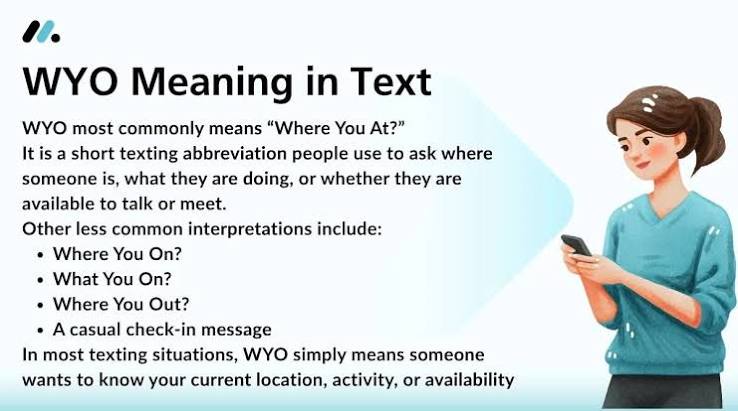
wyo meaning snapchat In today’s fast-paced world of texting, social media platforms like Snapchat, Instagram, and WhatsApp, short forms and slang expressions dominate everyday communication. One such popular abbreviation is WYO, a term that often leaves users confused when they see it in chats or online conversations.
People frequently search for it to understand its exact meaning, usage, and the context in which it is used, especially as digital slang evolves rapidly across Gen Z conversations. WYO generally stands for “What You On?” or “What you on?”, commonly used to ask someone what they are doing or what their plans are. Understanding this term is important to avoid miscommunication in casual messaging.
In this guide, we will break down the full meaning of WYO in text, explore real-life chat examples, and explain how it is used across different social media platforms. Whether you’re trying to decode a message from a friend or stay updated with modern internet slang, this complete guide will help you confidently understand and respond to WYO in everyday digital conversations.

- Meaning & Definition
- Background
- Usage in Different Contexts
- Chat
- TikTok
- Meaning in Physics, Medical, and Aircraft Terminology
- Physics
- Medical
- Aircraft Terminology
- How to Respond to WYO in Text
- WYO mean in Text from a Guy
- WYO Meaning Snapchat
- What does WYO mean from a Girl
- WYO Urban Dictionary
- Common Misconceptions
- Similar Terms & Alternatives
- How to Respond to It
- Differences from Similar Words
- Relevance in Online Conversations & Dating Apps
- WYO Meaning in Social Media Slang Evolution
- WYO in Gen Z and Internet Culture
- Real-Life Examples of WYO Conversations
- Positive vs Negative Context of WYO
- WYO in Flirting and Casual Conversations
- Regional and Cultural Usage of WYO
- When Not to Use WYO in Texting
- WYO vs WYD (Key Differences Explained)
- Common Replies to WYO with Examples
- Is WYO Formal or Informal Language?
- Impact of Slang Like WYO on Digital Communication
- Future of Internet Slang and Abbreviations Like WYO
Meaning & Definition
The abbreviation WYO is widely used in digital communication and stands for “What You On?” or “What You’re On”, depending on tone and context. In everyday texting, WYO is a casual slang expression used to ask someone what they are currently doing, what they are involved in, or what their plans are at the moment. It is part of modern internet slang culture that simplifies long sentences into short, fast messages used in informal communication.
In simple terms, WYO is similar to asking “What’s up?”, “What are you doing?”, or “What are your plans?” but it feels more direct and conversational. It is commonly used in friend groups, social chats, and casual online interactions where quick replies are preferred.
Example usage:
- “WYO tonight?”
- “WYO right now?”
- “Just chilling, WYO?”
This makes WYO a quick, efficient, and widely understood slang term in digital conversations.
Background
The term WYO originated from the evolution of text messaging culture and internet slang abbreviations, where users shortened common phrases to save time. With the rise of smartphones and social media platforms, short forms like LOL, BRB, and WYD became extremely popular, and WYO developed as part of this same trend.
WYO became widely used through platforms like Snapchat, Instagram, WhatsApp, and TikTok, where fast communication is important. It reflects the growing need for speed, simplicity, and informal tone in online conversations.
Key reasons for popularity:
- Fast and easy communication
- Strong presence in youth digital culture
- Works in multiple social media platforms
- Helps start instant conversations or plans
Today, WYO is a well-known part of modern texting language, especially among teenagers and young adults.
Read More: YFM Mean in Text that Explained in Simple Way
Usage in Different Contexts
Chat
In general chat conversations, WYO is used as a casual conversation starter. It helps people quickly ask what someone is doing without typing a full sentence. It is commonly used when someone is bored, curious, or wants to talk.
Examples:
- “Hey, WYO?”
- “WYO rn? I’m free.”
- “WYO, long time no talk.”
It is often used to create instant engagement between friends.
On WhatsApp, WYO is commonly used for making plans and checking availability. Since WhatsApp is used for personal communication, WYO often leads to real-life meetups or scheduling.
Examples:
- “WYO tonight? Let’s meet.”
- “WYO this weekend?”
- “WYO after work, call me.”
Here, it is mostly used for coordination and invitations.
On Instagram, WYO is often used in DMs and comments with a slightly social or flirty tone. It is used to engage with someone’s posts or start a casual conversation.
Examples:
- “Hey, WYO?”
- “WYO, you’ve been quiet lately.”
- “WYO? That post was fire 🔥”
It helps build social interaction and curiosity.
TikTok
On TikTok, WYO is commonly used in comments and reactions. It is often expressive, humorous, or surprised in tone.
Examples:
- “WYO bro this is insane 😂”
- “WYO in this outfit 🔥”
- “WYO, this trend is crazy!”
Here, it is used for reaction-based engagement.
Read More: NFS Mean in Text that is used in Chats and Social Media
Meaning in Physics, Medical, and Aircraft Terminology
Physics
In physics, WYO has no official scientific meaning. It is not used in equations, theories, or academic terminology. If seen in notes, it is usually informal or unrelated to science.
Medical
In the medical field, WYO is not a recognized abbreviation. Healthcare professionals use standardized terms like BP, ECG, MRI, etc., so WYO has no clinical usage.
Aircraft Terminology
In aviation or aircraft communication, WYO is not an official aviation code or abbreviation. Aviation relies on strict standardized codes, and WYO is not included.
How to Respond to WYO in Text
Responding to WYO depends on your situation and mood. Since it means “What are you doing?”, replies are usually short and casual.
Examples:
- “Just relaxing at home.”
- “Studying, what about you?”
- “Not much, you?”
- “About to go out, WYO?”
If you are busy:
- “Busy right now, will text later.”
- “At work, talk later.”
If you want to make plans:
- “Nothing much, let’s meet up.”
- “Free today, what’s the plan?”
WYO mean in Text from a Guy
When a guy sends WYO, it usually means he is trying to start a conversation or check your availability. It can be purely casual or sometimes slightly flirty depending on context.
Possible meanings:
- Friendly check-in
- Trying to make plans
- Showing interest in talking
- Sometimes flirty intention
Examples:
- “Hey, WYO tonight?”
- “WYO, haven’t seen you online.”
WYO Meaning Snapchat
On Snapchat, WYO is extremely common and usually means “What are you doing right now?” It is used to start instant chats or streak conversations. Since Snapchat is fast-paced, WYO fits perfectly into quick interactions.
Examples:
- “WYO rn?”
- “Snap me back, WYO?”
What does WYO mean from a Girl
When a girl sends WYO, it can mean:
- She is checking in casually
- She is bored and wants to talk
- She may want to start a conversation
- Sometimes friendly or flirty interest
Examples:
- “Hey, WYO?”
- “WYO, long time no talk 😊”
WYO Urban Dictionary
According to common Urban Dictionary-style usage, WYO is defined as “What You On?”, meaning:
- What are you doing?
- What are your plans?
- What are you up to right now?
It is described as a modern slang phrase used in texting and social media, especially among younger users.
Read More: LMAO Meaning in Text Messages and Internet Slang
Common Misconceptions
One of the biggest misconceptions about WYO is that it has a single fixed meaning. In reality, WYO is flexible and context-dependent, usually meaning “What You On?” or “What are you doing?” depending on the conversation. Many users mistakenly assume it always carries a flirty intention, but in most cases it is simply a casual check-in phrase used among friends.
Another common misunderstanding is that WYO is formal or professional. In fact, it is strictly part of internet slang and informal texting culture, not suitable for business, academic, or official communication. Some people also confuse it with technical abbreviations, but WYO has no scientific, medical, or institutional meaning.
Key misconceptions include:
- Thinking it always means flirting
- Assuming it is a professional abbreviation
- Believing it has only one fixed definition
- Confusing it with similar slang like “WYD”
In truth, WYO is highly situational and conversational in nature.
Similar Terms & Alternatives
WYO belongs to a group of short-form slang expressions used in digital communication. These alternatives often carry similar meanings but vary slightly in tone and usage.
Common alternatives include:
- WYD (What You Doing) – More direct and slightly more common than WYO
- What’s up? – General greeting and conversation starter
- What are you up to? – More polite and slightly formal
- Sup? – Very casual greeting
- You free? – Used when making plans
Comparison:
- WYO → Casual, modern, conversational
- WYD → Slightly more standard slang
- What’s up → Broader greeting, less specific
- You free? → More focused on availability
These alternatives help users adjust tone depending on the relationship and context.
How to Respond to It
Responding to WYO depends on your situation, mood, and intention. Since it usually asks what you are doing, replies should be short, natural, and aligned with casual texting style.
Common responses include:
- “Just chilling at home.”
- “Not doing much, you?”
- “Busy right now, what’s up?”
- “Just working/studying.”
If you want to continue the conversation:
- “Nothing much, WYO?”
- “Free right now, what’s going on?”
- “Bored honestly, talk to me.”
If you want to make plans:
- “I’m free, let’s meet up.”
- “Not busy, what are you thinking?”
- “Sounds good, where we going?”
The best responses are simple, natural, and match the informal tone of WYO.
Read More: WTYB Meaning in Text Social Media Usage Explained
Differences from Similar Words
Although WYO is often compared with other slang terms, it has its own distinct usage pattern. The most common confusion is between WYO and WYD, but they are not exactly the same.
Key differences:
- WYO (What You On?) → Focuses on what someone is currently doing or involved in
- WYD (What You Doing?) → More direct question about current activity
- What’s up? → General greeting, not always about activity
- You free? → Focuses on availability rather than activity
Tone differences:
- WYO → More conversational and modern
- WYD → More standard and widely recognized slang
- What’s up → Friendly greeting
- You free? → Planning-focused
In short, WYO feels more casual and socially driven, while similar phrases can feel more direct or formal.
Relevance in Online Conversations & Dating Apps
In modern digital communication, WYO plays an important role in maintaining quick and casual interactions. On platforms like Instagram, Snapchat, and TikTok, it is widely used as a low-effort conversation starter that does not require long messages.
On dating apps, WYO is extremely common because it helps break the ice. Instead of sending long introductions, users often use WYO to start a relaxed conversation and gauge interest.
Examples in dating apps:
- “Hey, WYO tonight?”
- “WYO, you seem interesting.”
- “Just checking in, WYO?”
Why it is effective:
- Easy and non-pressuring opener
- Encourages quick replies
- Creates space for natural conversation flow
- Helps transition into planning or deeper chat
However, overuse of WYO can sometimes feel repetitive or low-effort, especially in serious conversations.
WYO Meaning in Social Media Slang Evolution
The rise of WYO is part of the broader evolution of internet slang and digital communication trends. As online platforms became more fast-paced, users developed shorter expressions to communicate efficiently.
Earlier slang like “LOL” and “BRB” focused on reactions and actions, while newer slang like WYO and WYD focus on real-time interaction and social engagement.
Evolution pattern:
- Early internet slang → reactions (LOL, OMG)
- Mid-stage slang → actions (BRB, GTG)
- Modern slang → social check-ins (WYO, WYD)
WYO reflects today’s communication style, where people prioritize speed, convenience, and casual tone. It is especially popular among Gen Z users who prefer short, expressive, and flexible language in online conversations.
As social media continues to evolve, expressions like WYO will likely remain part of everyday texting culture, adapting to new platforms and communication habits.
WYO in Gen Z and Internet Culture
WYO has become a strong part of Gen Z digital communication style, where speed, simplicity, and expression matter more than formal grammar. In internet culture, especially on platforms like Snapchat, TikTok, Instagram, and Discord, WYO is used as a quick way to check in with someone or start a spontaneous conversation.
Gen Z prefers short, expressive slang because it feels more natural and less formal. WYO fits perfectly into this communication style, often replacing longer sentences like “What are you doing right now?” It is also part of a larger trend where language is shaped by memes, trends, and social media interaction.
Key cultural reasons for popularity:
- Fast-paced messaging culture
- Preference for short-form slang
- Influence of memes and TikTok trends
- Casual and friendly tone
Real-Life Examples of WYO Conversations
In real-life texting situations, WYO is commonly used to start conversations, make plans, or check someone’s availability. It appears in everyday chats between friends, classmates, and sometimes romantic interests.
Examples:
- Friend 1: “WYO?”
Friend 2: “Just at home watching Netflix.” - Friend 1: “WYO tonight?”
Friend 2: “Free, let’s go out.” - Friend 1: “Hey, WYO?”
Friend 2: “Studying, you?”
These examples show how WYO acts as a flexible conversation starter that can lead to different directions depending on the reply.
Read More: LMFAO Meaning in Text: Ultimate Guide to Using It Online
Positive vs Negative Context of WYO
The meaning of WYO is generally neutral, but tone and context can change how it is interpreted. In most cases, it is positive or casual, but sometimes it can feel intrusive if used at the wrong time.
| Context Type | Meaning of WYO | Example |
| Positive | Friendly check-in or plan-making | “WYO? Let’s hang out!” |
| Neutral | Simple activity question | “WYO right now?” |
| Negative | Overuse or unwanted messaging | Repeated “WYO?” messages without response |
In positive usage, WYO builds connection and engagement, while in negative cases, it may feel repetitive or attention-seeking.
WYO in Flirting and Casual Conversations
In flirting or romantic conversations, WYO often takes on a more personal or curious tone. It is used to initiate contact, show interest, or create opportunities for conversation.
Examples:
- “Hey, WYO? Miss talking to you.”
- “WYO tonight? Maybe we can meet 👀”
- “Just thinking about you, WYO?”
In casual friendships, it stays simple and friendly. In flirting, however, WYO can imply interest, attention, or emotional curiosity, depending on tone and timing.
Regional and Cultural Usage of WYO
The usage of WYO is mostly global, but it is more dominant in English-speaking online communities, especially in the United States, UK, and youth-driven internet spaces worldwide.
| Region | Usage Level | Notes |
| USA | Very High | Strong Gen Z slang usage |
| UK | High | Common in texting culture |
| South Asia | Moderate | Used in social media and WhatsApp |
| Middle East | Moderate | Mostly among youth online |
| Other regions | Growing | Spread via TikTok & Instagram |
Even in non-native English regions, WYO is understood due to global internet influence.
When Not to Use WYO in Texting
Although WYO is widely used, it is not suitable for every situation. It should be avoided in formal, professional, or sensitive conversations.
Avoid using WYO in:
- Job-related or workplace communication
- Academic or formal writing
- Serious emotional discussions
- First-time professional interactions
Situations where it feels inappropriate:
- Email to a teacher or boss
- Official announcements
- Customer support messages
WYO is strictly informal slang, so context awareness is important.
Read More: TTY Meaning in Text: What It Really Means Online
WYO vs WYD (Key Differences Explained)
Although WYO and WYD look similar, they have slightly different meanings and usage styles.
| Feature | WYO | WYD |
| Full form | What You On? | What You Doing? |
| Tone | More casual & modern | More standard slang |
| Focus | Activity or plans | Current action |
| Usage style | Conversational | Direct question |
| Popularity | Growing | Long-established |
In simple terms, WYO feels more social and flexible, while WYD is more direct and traditional slang.
Common Replies to WYO with Examples
Responses to WYO depend on mood, situation, and intention. Replies are usually short, natural, and conversational.
| Situation | Reply Example |
| Relaxing | “Just chilling at home.” |
| Busy | “Working right now.” |
| Free | “Nothing much, you?” |
| Want to talk | “Bored, WYO?” |
| Making plans | “Free, let’s do something.” |
Good replies are simple, friendly, and match the informal tone of WYO.
Is WYO Formal or Informal Language?
WYO is a strictly informal language. It belongs to the category of internet slang and texting abbreviations, not formal English.
Characteristics:
- Used in casual conversations
- Not suitable for professional writing
- Common in social media chats
- Part of youth digital slang
It should only be used in friendly or relaxed communication settings.
Impact of Slang Like WYO on Digital Communication
Slang terms like WYO have significantly changed how people communicate online. They make conversations faster, shorter, and more expressive.
Positive impacts:
- Faster communication
- Easier casual interaction
- Strong social bonding
- Trend-based expression
Negative impacts:
- Reduced formal writing skills in some cases
- Misunderstanding between generations
- Over-reliance on abbreviations
Overall, WYO represents the shift toward efficient and expressive digital language.
Read More: KMSL Meaning in Text: Ultimate Guide to Laughing Online
Future of Internet Slang and Abbreviations Like WYO
The future of slang like WYO is closely tied to evolving digital platforms and user behavior. As communication becomes faster and more visual, slang will continue to evolve.
Future trends may include:
- More shortened expressions
- AI-influenced slang evolution
- Emoji + text hybrid communication
- Platform-specific slang variations
Even if new terms replace older ones, WYO will remain part of internet slang history as a symbol of modern casual communication.
Key Insight
1. What does WYO mean in text?
WYO means “What You On?”, a casual slang term used to ask someone what they are doing or what their plans are at the moment.
2. Is WYO the same as WYD?
No, WYO means “What you on?” while WYD means “What you doing?”. Both are similar, but WYO is more casual and conversational.
3. Is WYO a flirty message?
It can be, depending on context. In many cases, WYO is just a friendly check-in, but it may feel flirty if sent with emojis or in late-night chats.
4. Where is WYO commonly used?
WYO is widely used on Snapchat, Instagram, WhatsApp, and TikTok, especially in casual conversations and quick chats.
5. Can WYO be used in formal communication?
No, WYO is informal slang and should not be used in professional emails, academic writing, or official communication.
6. How should I reply to WYO?
You can reply with simple answers like:
- “Just chilling”
- “Studying”
- “Not much, you?”
7. What does WYO mean from a guy?
When a guy says WYO, it usually means he is checking in, trying to talk, or possibly showing interest, depending on context.
8. What does WYO mean on Snapchat?
On Snapchat, WYO means asking what someone is doing right now, often used to start quick conversations or maintain streaks.
9. Is WYO used globally?
Yes, WYO is understood globally in internet culture, especially among Gen Z users on social media platforms.
10. Is WYO still popular in 2026?
Yes, WYO remains popular in 2026, especially in texting culture, though new slang terms continue to emerge alongside it.
Conclusion
WYO has become a widely recognized part of modern digital communication, especially in Gen Z texting culture and social media conversations. It reflects how language has evolved in the online world, where people prefer short, fast, and expressive forms of communication instead of long sentences. Whether used on Snapchat, Instagram, or WhatsApp, WYO continues to function as a simple way to ask what someone is doing or planning.
In everyday use, WYO is flexible and context-driven, meaning it can be friendly, casual, or sometimes slightly flirty depending on tone and situation. Its popularity shows how internet slang adapts to human behavior, making conversations quicker and more natural. However, it remains strictly informal and should not be used in professional or formal environments.
Overall, WYO is more than just slang—it is a reflection of modern communication trends, where simplicity, speed, and social connection are prioritized. As digital platforms continue to grow, expressions like WYO will keep evolving, shaping the future of how people interact online.
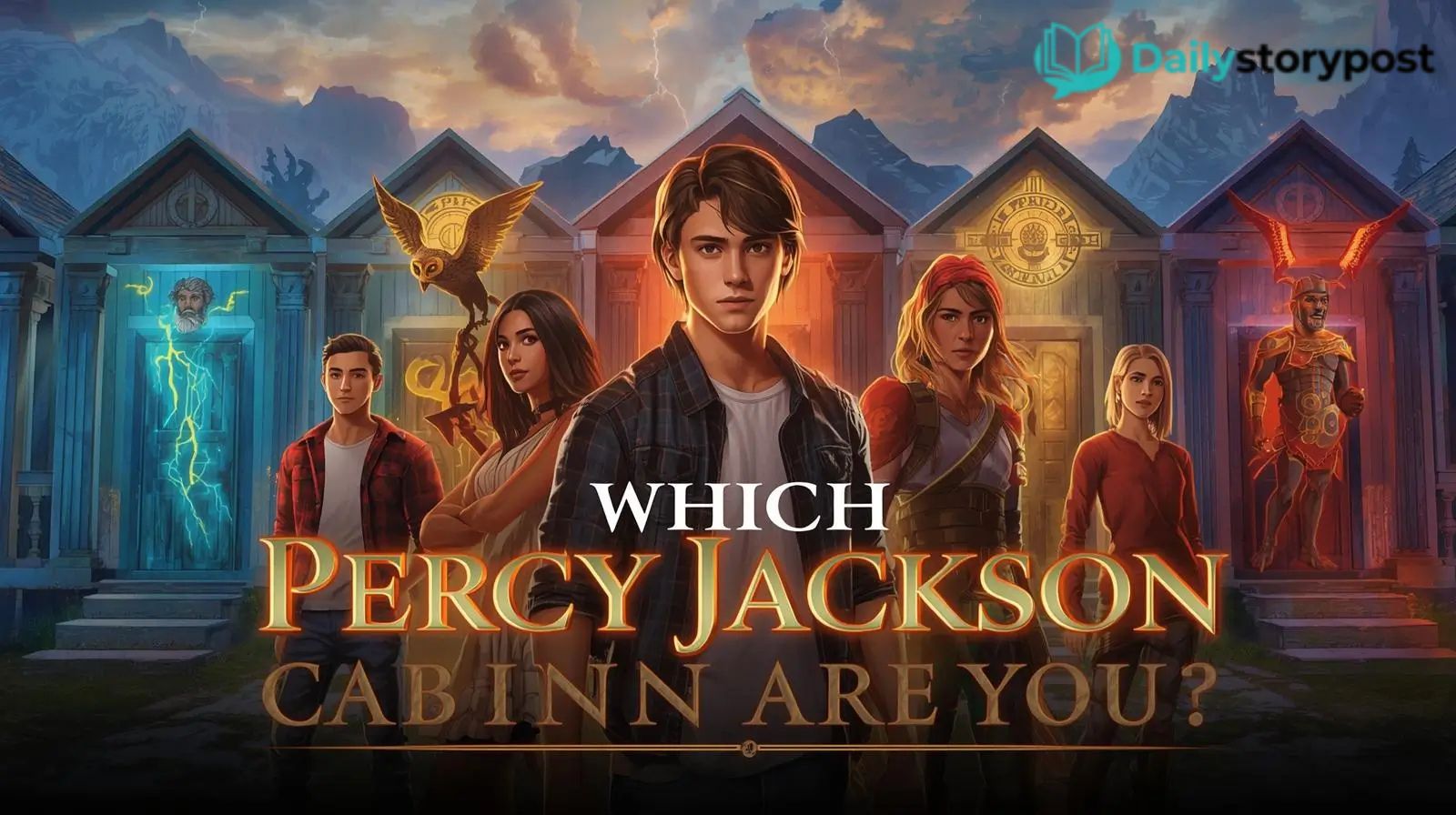
If you’ve ever wondered where you’d belong at Camp Half-Blood, you’re not alone. One of the most enjoyable ways for fans to explore the world of Greek mythology is by taking a Percy Jackson Cabin Quiz. These quizzes go beyond asking who your favorite character is. Instead, they compare your personality, strengths, habits, and decision-making style with the traits associated with each cabin.
The idea is simple but surprisingly engaging. Every cabin at Camp Half-Blood represents a different Olympian god or goddess, and each one reflects unique qualities. Some cabins are known for wisdom, others for bravery, creativity, loyalty, or leadership. By answering personality-based questions honestly, you can discover which cabin feels like your natural home.
While no online quiz can officially determine your divine parent, the best quizzes are inspired by the personalities, values, and characteristics described throughout Rick Riordan’s books. That makes the experience fun for longtime readers and newcomers alike.
BIO
| Label | Information |
|---|---|
| Topic | Percy Jackson Cabin Quiz |
| Category | Personality Quiz |
| Based On | Percy Jackson & the Olympians series |
| Created By | Rick Riordan’s fictional universe |
| Purpose | Match your personality to a Camp Half-Blood cabin |
| Quiz Type | Personality-based assessment |
| Main Focus | Traits, values, and decision-making style |
| Possible Results | Zeus, Poseidon, Athena, Ares, Apollo, Hermes, Aphrodite, Hephaestus, Demeter, Dionysus, Hades, and more |
| Best For | Percy Jackson fans and mythology enthusiasts |
| Accuracy | Depends on honest answers and quiz quality |
| Key Benefit | Helps you discover your most compatible demigod cabin |
| Recommended Age | Suitable for teens and adults who enjoy the series |
What Is the Percy Jackson Cabin Quiz?
A Percy Jackson Cabin Quiz is a personality quiz inspired by the Camp Half-Blood cabins from the Percy Jackson & the Olympians series. Instead of relying on random answers, a well-designed quiz compares your behavior, preferences, and personal values with the qualities associated with each Olympian cabin.
At Camp Half-Blood, every demigod belongs to a cabin connected to their immortal parent. Originally, there were twelve cabins representing the major Olympian gods. Following the events of The Last Olympian, additional cabins were built for Hades and several minor gods, giving more demigods a place to belong.
Modern personality quizzes use these cabin descriptions as inspiration. Rather than asking which god you like the most, they explore questions such as:
- How do you solve problems?
- Do you enjoy leading or supporting others?
- What motivates your decisions?
- How do you react under pressure?
- Which personal values matter most to you?
The result often feels surprisingly accurate because it focuses on who you are instead of who you wish to be.
Why Personality Matters More Than Powers
One common misconception is that your cabin depends on the abilities you’d like to have. In reality, the cabins in Percy Jackson represent much more than supernatural powers.
Children of Athena aren’t respected only because they’re intelligent. They’re known for careful planning, curiosity, and strategic thinking. Likewise, Poseidon’s children aren’t simply connected to water—they often display independence, loyalty, and resilience.
This is why personality quizzes work so well within the Percy Jackson universe. They emphasize your everyday choices, values, and mindset rather than fictional powers.
When you answer honestly, your result usually reflects the traits you naturally demonstrate in real life.
Understanding the Main Camp Half-Blood Cabins

Each cabin has its own identity. While every individual is unique, certain personality patterns appear throughout the series.
Zeus Cabin
The Zeus cabin is often associated with leadership and responsibility.
People who match this cabin usually enjoy taking charge during difficult situations. They are confident, ambitious, and willing to make difficult decisions when others hesitate.
You may fit this cabin if you naturally become the leader in group projects, enjoy organizing people, and stay calm under pressure.
Poseidon Cabin
The Poseidon cabin is known for loyalty, independence, and emotional strength.
Fans often associate Percy himself with bravery, but another defining trait is his unwavering loyalty to friends and family.
People matched with this cabin often enjoy adventure while remaining dependable during challenging moments.
Athena Cabin
The Athena cabin represents wisdom, planning, and curiosity.
Rather than rushing into action, Athena personalities prefer to analyze situations before making decisions. They enjoy learning, solving puzzles, and developing creative solutions.
If you’re the person others ask for advice or enjoy thinking several steps ahead, this cabin may suit you well.
Ares Cabin
The Ares cabin values courage, determination, and competitive spirit.
While these campers have a reputation for loving battle, they also demonstrate persistence and confidence. They rarely give up once they’ve chosen a goal.
People with strong competitive instincts often relate to this cabin.
Apollo Cabin
The Apollo cabin combines creativity with optimism.
Many campers excel in music, poetry, healing, or archery. However, the larger personality theme is self-expression and bringing positive energy to others.
If creativity is an important part of your life, Apollo may be your best match.
Hermes Cabin
Hermes campers are adaptable and resourceful.
They’re quick thinkers who adjust easily to changing situations. Many enjoy traveling, meeting new people, and solving unexpected problems.
This cabin often appeals to individuals who are curious and flexible rather than predictable.
Aphrodite Cabin
The Aphrodite cabin is frequently misunderstood.
Its members aren’t simply interested in beauty or fashion. Throughout the books, love, empathy, emotional intelligence, and understanding relationships are equally important characteristics.
People who naturally support friends and understand emotions often fit this cabin.
Hephaestus Cabin
Hard work defines the Hephaestus cabin.
These campers enjoy building, repairing, inventing, and solving practical problems. They value patience and craftsmanship over recognition.
People who enjoy creating things with their hands often identify strongly with this cabin.
Demeter Cabin
The Demeter cabin reflects kindness, reliability, and appreciation for nature.
These personalities often enjoy helping others grow, whether literally through gardening or emotionally through encouragement and support.
Patience is one of their greatest strengths.
Dionysus Cabin
The Dionysus cabin embraces creativity and enjoyment of life.
Its members often appreciate celebrations, humor, and helping others relax. They balance responsibility with a healthy sense of fun.
Hades Cabin
Despite its mysterious reputation, the Hades cabin represents resilience and quiet strength.
Many fans connect with this cabin because its members tend to be thoughtful, loyal, and emotionally strong. They often prefer meaningful friendships over large social circles.
Which Personality Fits Each Cabin?
Although no one fits perfectly into a single category, many people recognize familiar patterns after taking a Percy Jackson Cabin Quiz.
Remember that these are general tendencies rather than strict rules.
Why Quiz Results Often Feel Surprisingly Accurate
Many fans are surprised by how well their results describe them.
That’s because quality personality quizzes focus on consistent behavioral patterns instead of obvious questions.
For example, rather than asking whether you’d rather control lightning or water, a better quiz asks how you respond when someone needs your help or how you approach solving a difficult problem.
These kinds of questions reveal deeper personality traits, making the final result feel much more personal.
Psychologists have long recognized that personality assessments become more meaningful when they examine behavior across different situations instead of relying on simple preferences.
Can Your Cabin Change?
This is one of the most common questions among Percy Jackson fans.
Technically, within the books, your divine parent never changes. However, personality quizzes are based on who you are today.
People grow over time.
Someone who was once shy may become confident after years of experience. Another person might become more patient, creative, or independent as they mature.
Because of this, it’s completely normal to receive different quiz results several years apart.
That doesn’t necessarily mean one result is wrong. It simply reflects personal growth.
Tips for Getting an Accurate Percy Jackson Cabin Quiz Result
To get the most meaningful result, answer every question honestly.
Don’t choose answers because they seem powerful or because they match your favorite character.
Instead:
- Think about how you usually behave.
- Avoid guessing what the quiz is trying to measure.
- Consider your everyday decisions instead of rare situations.
- Don’t overthink every question.
- Complete the quiz without rushing.
Honest answers almost always produce the most satisfying result.
Common Myths About Percy Jackson Cabin Quizzes
Several misconceptions appear repeatedly among fans.
Myth: Everyone gets Poseidon.
Because Percy is the main character, many people assume most quizzes assign everyone to Poseidon. Well-designed quizzes actually produce a wide variety of cabin results.
Myth: Your favorite character determines your cabin.
Liking Annabeth doesn’t automatically make you an Athena camper, just as admiring Percy doesn’t mean Poseidon is your best match.
Myth: Only extroverts belong in heroic cabins.
Many heroes throughout the series are quiet, thoughtful, or reserved. Courage comes in many different forms.
Myth: Quiz results are completely random.
High-quality quizzes carefully match answer patterns with personality traits inspired by the books rather than assigning random outcomes.
Frequently Asked Questions
Is the Percy Jackson Cabin Quiz accurate?
It depends on the quality of the quiz. The best quizzes are based on personality traits, decision-making styles, and cabin characteristics described throughout the series rather than simple popularity questions.
Which cabin is the rarest?
Within the books, children of the Big Three—Zeus, Poseidon, and Hades—are relatively rare because of agreements among the gods. Later books expand Camp Half-Blood with cabins for additional gods, making the camp more inclusive.
Can I belong to more than one cabin?
Many people relate to traits from several cabins. However, most personality quizzes identify the cabin that best matches your strongest qualities.
Should I retake the quiz?
Absolutely. If you’ve changed significantly over the years, taking the quiz again can be an interesting way to see how your personality has evolved.
Final Thoughts
A Percy Jackson Cabin Quiz is much more than simple fan entertainment. At its best, it encourages self-reflection while celebrating the rich personalities that make Camp Half-Blood such a memorable setting.
Whether your result places you in Zeus, Athena, Poseidon, Apollo, Hermes, Hades, or another cabin, each represents valuable strengths rather than a measure of superiority. Leadership, creativity, wisdom, loyalty, resilience, compassion, and courage all have an important place within the Percy Jackson universe.
The most rewarding approach is to answer honestly, embrace your unique qualities, and remember that every cabin contributes something meaningful to Camp Half-Blood. After all, heroes come in many different forms, and that’s one of the reasons the world of Percy Jackson continues to inspire readers around the globe.
Frequently Asked Questions
1. How accurate is a Percy Jackson Cabin Quiz?
A well-designed Percy Jackson Cabin Quiz can provide a fun and surprisingly accurate result by comparing your personality traits, values, and decision-making style with the characteristics of the Camp Half-Blood cabins. The more honestly you answer, the more meaningful your result is likely to be.
2. Which Percy Jackson cabin is the rarest?
In the Percy Jackson series, the cabins of Zeus, Poseidon, and Hades are considered the rarest because children of the Big Three are uncommon. However, every cabin is unique and represents different strengths and personalities.
3. Can my Percy Jackson Cabin Quiz result change over time?
Yes. While the Olympian parent in the books never changes, a Percy Jackson Cabin Quiz is based on your current personality. As you grow and your interests or values evolve, you may receive a different cabin result.
4. Is the Percy Jackson Cabin Quiz based on the books?
Most quality quizzes are inspired by the personalities, cabin descriptions, and themes found in the Percy Jackson & the Olympians series. They use these traits to match fans with the cabin that best reflects their personality.
5. What should I do to get the most accurate Percy Jackson Cabin Quiz result?
Answer every question honestly instead of choosing answers based on your favorite character or god. Being truthful about your personality, habits, and preferences will help the Percy Jackson Cabin Quiz provide the most accurate cabin match.


 Celebrity4 months ago
How Tall Is Glen Powell? Height, Facts, and More
- Celebrity4 months ago
Fielder Jewett Age: Everything We Know About Him in 2026
- Technology4 months ago
How Simpcitt Is Changing the Way People Think Today
- Celebrity4 months ago
Who Is Meredith Schwarz? Key Facts You Should Know
- Home Safety4 months ago
How KDArchitects Landscape Ideas by Morph Transform Outdoor Spaces
- Business4 months ago
How Driving Modes in Cadillac Lyriq Impact Range and Efficiency
- Food & Drink4 months ago
Where to Find the Best Piononos de Santa Fe Near Me Today
- Business4 months ago
How to Buy Milohacherry Coin Safely and Get Started Today