
Celebrity
Kibbe Body Types Explained: Find Your Perfect Style Match

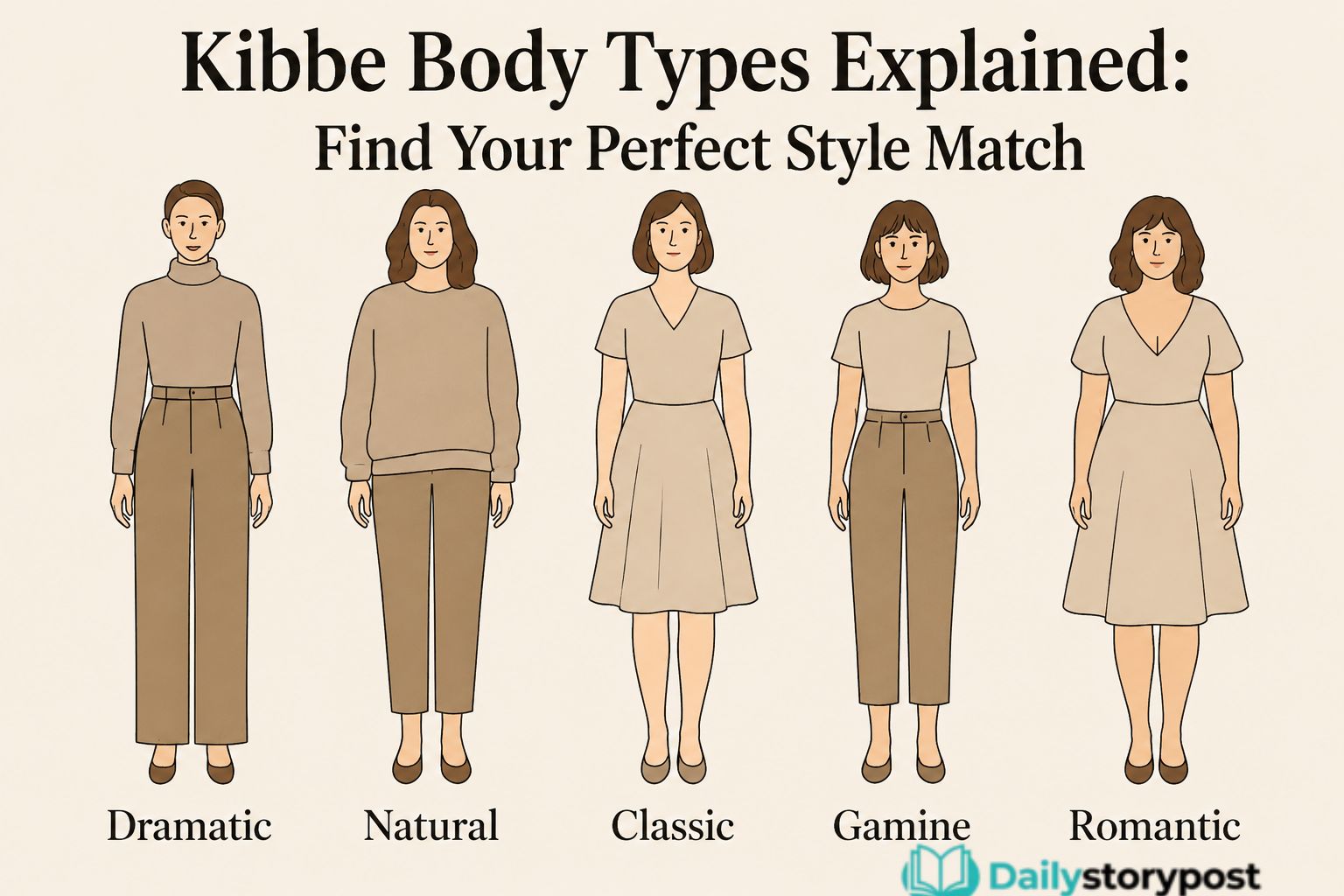
Finding clothes that truly suit you can feel frustrating. You might follow the latest fashion trends, buy pieces that look amazing on someone else, and still wonder why they don’t have the same effect on you. The answer often has less to do with your size and more to do with the natural lines of your body.
The Kibbe body types system offers a different way to think about personal style. Instead of focusing on measurements or trying to fit into common body shape categories like pear or hourglass, it helps you understand your unique balance of structure, softness, and proportions. The goal isn’t to change how you look it’s to dress in a way that complements your natural features.
Whether you’re completely new to the Kibbe system or looking to understand it better, this guide explains the fundamentals, explores all 13 image identities, and shares practical styling advice to help you build a wardrobe that feels authentic and flattering.
BIO
| Label | Information |
|---|---|
| Topic | Kibbe Body Types |
| Created By | David Kibbe |
| Introduced | 1987 in Metamorphosis |
| System Type | Image Identity and Personal Style System |
| Main Purpose | Help people dress in harmony with their natural features |
| Core Concept | Balance of Yin (softness) and Yang (sharpness) |
| Number of Types | 13 Kibbe body types |
| Based On | Bone structure, body lines, proportions, and facial features |
| Not Based On | Clothing size, weight, or body measurements alone |
| Best For | Building a flattering and confident wardrobe |
| Key Benefit | Makes shopping and outfit choices easier |
| Style Focus | Enhancing natural beauty instead of changi |
What Are Kibbe Body Types?
The Kibbe body types system is a style methodology created by fashion consultant David Kibbe in the 1980s. It was introduced in his book Metamorphosis, where he explained that every person has a unique combination of Yin and Yang characteristics.
Unlike traditional body shape systems, Kibbe doesn’t focus on measurements or clothing size. Instead, it considers your overall appearance, including your bone structure, body lines, facial features, and the impression you naturally create.
The result is a personalized approach to style that helps people choose clothing that works with their natural features rather than against them.
The Philosophy Behind the Kibbe System

At the heart of the Kibbe method are two design principles borrowed from Eastern philosophy:
- Yin represents softness, curves, delicacy, and rounded features.
- Yang represents sharpness, length, angularity, and bold structure.
Everyone has both Yin and Yang qualities. What makes each person unique is the way these elements combine. Rather than labeling one as better than the other, Kibbe celebrates the balance that already exists in your appearance.
For example, someone with long limbs and prominent bone structure may naturally lean toward Yang, while someone with softer curves and rounded facial features may express more Yin. Many people fall somewhere in between, blending characteristics from both.
Why Kibbe Is Different from Traditional Body Shapes
Many people confuse Kibbe body types with body shape categories such as apple, pear, rectangle, or hourglass. While both systems relate to personal style, they evaluate the body in very different ways.
Traditional body shape methods rely mainly on measurements and proportions. They often emphasize waist size, hips, shoulders, or bust measurements to determine which category you belong to.
The Kibbe system takes a broader view. It considers:
- Bone structure
- Vertical line
- Overall body proportions
- Natural flesh distribution
- Facial features
- Overall visual impression
This means two people with similar measurements may belong to completely different Kibbe image identities.
Why So Many People Love the Kibbe System

The popularity of Kibbe body types continues to grow because the system encourages self-acceptance rather than comparison.
Instead of trying to make your body fit a fashion trend, Kibbe teaches you how to choose clothing that naturally complements your features. Many people find that this approach simplifies shopping, reduces wardrobe mistakes, and builds confidence.
It also explains why fashion advice that works for one person may not work for another.
The 13 Kibbe Body Types Explained
David Kibbe identified 13 Image Identities, each representing a unique combination of Yin and Yang characteristics.
These categories aren’t rankings or beauty standards. They’re simply style identities designed to help you dress more harmoniously.
Dramatic
The Dramatic type represents strong Yang energy. People in this category usually have a tall appearance, sharp bone structure, long limbs, and defined facial features.
Straight silhouettes, structured tailoring, long coats, and bold geometric shapes tend to complement this image identity. Clean lines and minimal detailing often work better than soft or overly decorative designs.
Heavy ruffles and rounded silhouettes can compete with the natural elegance of this body type.
Soft DramaticThe Soft Dramatic combines dramatic height with noticeable curves. This identity blends bold structure and feminine softness.
People in this category often look striking in clothing that highlights both length and curves. Dresses with waist definition, luxurious fabrics, and elegant draping usually work well.
Large accessories, statement jewelry, and rich textures enhance the overall look without overwhelming it.
Flamboyant Natural
The Flamboyant Natural is known for its broad bone structure and relaxed presence.
This image identity often looks best in comfortable silhouettes that allow movement. Relaxed jackets, oversized sweaters, wide-leg trousers, and casual tailoring create balance without appearing oversized.
Natural fabrics like linen, cotton, and denim usually suit this style particularly well.
Natural
The Natural type sits comfortably between structure and softness.
People in this category often have balanced proportions with slightly broad shoulders and an athletic appearance. Their clothing generally looks best when it feels effortless rather than overly polished.
Simple layering, easy-fitting garments, and moderate structure help maintain harmony.
Soft Natural
The Soft Natural combines a relaxed frame with gentle curves.
This identity benefits from clothing that skims the body instead of clinging tightly. Soft fabrics, slightly defined waists, and flowing silhouettes create an easy yet feminine appearance.
Subtle details often work better than dramatic embellishments.
Dramatic Classic
The Dramatic Classic blends balanced proportions with slight angularity.
Tailored clothing is usually the strongest choice for this image identity. Clean blazers, structured dresses, and refined separates emphasize the natural symmetry while adding a touch of sharpness.
Excessively oversized or heavily decorated clothing may distract from the balanced appearance.
Classic
The Classic image identity represents near-perfect balance between Yin and Yang.
People with this identity often suit timeless fashion. Well-fitted clothing, moderate silhouettes, and elegant simplicity usually outperform dramatic trends.
Quality tailoring often makes the biggest difference for Classics.
Soft Classic
The Soft Classic maintains balanced proportions while adding gentle softness.
Soft tailoring, graceful draping, and subtle waist definition complement this identity beautifully. Clothing should appear polished without becoming rigid.
Delicate jewelry and refined accessories complete the overall style.
Flamboyant Gamine
The Flamboyant Gamine combines youthful energy with strong angular features.
Short jackets, cropped pants, playful prints, and contrasting colors often enhance this image identity. Their natural style feels energetic and modern.
Mixing textures and experimenting with bold details usually works well.
Gamine
The Gamine identity blends opposite characteristics into one unique appearance.
People in this category often appear compact, youthful, and expressive. Clothing with crisp tailoring, shorter hemlines, and playful details tends to suit them best.
Simple outfits can become interesting through creative styling.
Soft Gamine
The Soft Gamine combines youthful proportions with noticeable softness.
Fitted clothing, waist emphasis, rounded necklines, and feminine details complement this style identity.
Small prints, soft textures, and playful accessories often enhance the overall appearance.
Theatrical Romantic
The Theatrical Romantic blends romantic softness with a hint of dramatic sharpness.
Luxurious fabrics, elegant draping, and carefully defined silhouettes bring out the beauty of this image identity. Decorative details usually work better when they’re refined rather than overwhelming.
This style often feels glamorous without becoming excessive.
Romantic
The Romantic represents the strongest Yin influence within the Kibbe system.
Rounded features, soft curves, and delicate proportions define this image identity. Clothing that celebrates natural curves through flowing fabrics, waist definition, and graceful silhouettes generally works best.
Soft fabrics like silk, velvet, and lightweight knits often complement this body type beautifully.
How to Find Your Kibbe Body Type
Discovering your image identity requires careful observation rather than quick measurement.
Start by looking at your overall bone structure. Pay attention to your shoulders, hands, feet, and vertical line instead of focusing only on your waist or hips.
Next, observe how flesh naturally sits on your body. Some people have naturally defined curves, while others appear straighter regardless of weight.
Facial features also contribute to the overall picture. Rounded eyes, sharp jawlines, full lips, and prominent cheekbones all help create your complete image identity.
Most importantly, consider your overall impression. Kibbe is designed to evaluate harmony rather than isolated features.
Common Mistakes People Make
One of the biggest misunderstandings is believing that weight determines your Kibbe type.
Your image identity remains consistent because it is based primarily on bone structure and natural proportions rather than body fat.
Another common mistake is copying celebrity typings without understanding the system. Many celebrity classifications found online are unofficial and debated among Kibbe enthusiasts.
People also tend to focus on a single feature, such as shoulders or hips, instead of evaluating their appearance as a whole.
Finally, many individuals choose the type they admire most instead of the one that genuinely reflects their natural characteristics.
Why Your Kibbe Type Doesn’t Change
Many people wonder whether weight loss, fitness, pregnancy, or aging changes their Kibbe identity.
Although these life changes affect body composition, your fundamental bone structure remains the same. This means your Kibbe image identity generally stays consistent throughout your life.
You may adjust your wardrobe as your body changes, but the styling principles that complement your natural lines usually remain effective.
Styling Tips for Every Kibbe Type
Regardless of your image identity, there are a few universal principles worth remembering.
Choose clothing that follows your natural body lines instead of forcing a different silhouette. Fit should feel comfortable without hiding your shape completely.
Focus on quality fabrics that drape naturally. Clothing that moves well often looks more elegant than garments that are overly stiff or restrictive.
Accessories should support your overall appearance rather than compete with it. Balance is often more effective than excess.
Finally, remember that personal style extends beyond rules. Your Kibbe identity provides guidance, not limitations. It can help you understand why certain pieces consistently flatter you while others remain unworn in your closet.
Frequently Asked Questions
1. What are Kibbe body types?
Kibbe body types are 13 image identities created by David Kibbe to help people dress according to their natural bone structure, body lines, and overall appearance. The system focuses on harmony rather than body measurements or clothing size.
2. How do I find my Kibbe body type?
Start by evaluating your bone structure, body proportions, facial features, and overall presence. Instead of focusing on weight or body shape alone, look at how your natural lines create a balanced image identity.
3. Can my Kibbe body type change over time?
No. Your Kibbe body type is based mainly on your bone structure, which remains the same throughout your life. While weight, age, or fitness may change your appearance, your image identity generally stays consistent.
4. Is the Kibbe system the same as body shape analysis?
No. Traditional body shape analysis focuses on measurements like bust, waist, and hips, while the Kibbe system considers your overall balance of Yin and Yang, including bone structure, facial features, and natural proportions.
5. Why are Kibbe body types helpful for personal style?
Understanding your Kibbe body type makes it easier to choose clothing, fabrics, silhouettes, and accessories that complement your natural features. This approach helps you create a wardrobe that feels balanced, comfortable, and authentic rather than simply following fashion trends.
shane gillis sisterShane Gillis grew up in Mechanicsburg, Pennsylvania, near the state capital of Harrisburg. His parents are Phil Gillis and Joan Gillis, who are mentioned in published biographies of the comedian. His upbringing is an important part of his background because his comedy often draws on everyday experiences, familiar social situations, and observations about American life.
Although fans may want to know more about his childhood, it is important to recognize that a comedian’s public personality does not reveal everything about his home life. Shane’s stage performances are shaped by storytelling, exaggeration, timing, and the demands of entertaining an audience. They should not automatically be treated as complete accounts of his personal experiences.
His family background provides context for his early years, but there is limited reason to assume that his parents or sisters are involved in every aspect of his professional life. Shane has built his own career through years of performing, writing, and developing material.
The family connection is interesting in its own right. However, a balanced biography should give the family context without inventing private stories or assigning personal characteristics to relatives based on their relationship with a celebrity.
BIO
| Label | Information |
|---|---|
| Full Name | Shane Gillis |
| Profession | Comedian, Writer, Podcast Host |
| Date of Birth | December 11, 1987 |
| Birthplace | Mechanicsburg, Pennsylvania, USA |
| Nationality | American |
| Parents | Phil Gillis and Joan Gillis |
| Siblings | Kait Gillis and Sarah Gillis |
| Sister 1 | Kait Gillis |
| Sister 2 | Sarah Gillis |
| Known For | Stand-up Comedy |
| Netflix Special | Beautiful Dogs (2023) |
| Television Series | Tires |
| Comedy Style | Observational and Satirical Humour |
How Family May Influence His Comedy

Family experiences can influence a comedian’s understanding of people, relationships, and everyday life. Growing up with siblings, parents, and a familiar community can provide countless experiences that later become material for jokes or stories.
Shane Gillis is known for observational comedy that frequently explores social behavior, cultural differences, and uncomfortable situations. His delivery often feels conversational, which can make audiences feel as though they are listening to someone share an amusing story with friends.
That style may encourage fans to wonder whether particular jokes are based on experiences with his sisters or other family members. However, it would be misleading to identify a specific joke as being about Kait or Sarah unless Shane has clearly established that connection.
Comedians regularly combine personal observations with fictional details, exaggeration, and impressions. A story told onstage may begin with something real but change considerably during the writing process.
For this reason, the relationship between Shane’s comedy and his family should be discussed carefully. His upbringing may provide useful context, but there is no need to invent stories about his sisters to explain why his humor appeals to audiences.
Shane Gillis’s Career and Growing Fame
Shane’s rise in comedy helps explain why so many people have become interested in his relatives. Before reaching a broad mainstream audience, he spent years developing his skills through live performances and other comedy projects.
He gained additional attention in 2019 when he was announced as a new cast member of Saturday Night Live. The announcement was followed by controversy over resurfaced recordings containing offensive remarks, and the show dismissed him before he appeared in an episode.
The setback did not end his career. Shane continued performing, releasing comedy material, and building an audience through digital platforms. His ability to continue working after a difficult public moment became an important part of his professional story.
In 2021, he released Shane Gillis: Live in Austin on YouTube. In 2023, he released the Netflix stand-up special Beautiful Dogs, which helped introduce his performances to a wider audience.
He also co-created the comedy series Tires with John McKeever. The show follows workers at an automotive repair business and uses workplace relationships and everyday frustrations as the foundation for its humor.
His podcasting work has also played a role in his popularity. Long-form conversations allow audiences to become familiar with a comedian’s speaking style, opinions, and personality beyond a carefully edited television appearance.
As his audience expanded, searches about his parents, sisters, and personal history became more common. This is a familiar pattern in entertainment: when someone becomes famous, audiences often become curious about the people who were part of their lives before that success.
Why Fans Search for Shane Gillis’s Sister
There are several reasons why readers search for information about Shane Gillis’s sister. The first is simple curiosity. People who enjoy a comedian’s work may naturally want to know more about his background and family.
Another reason is the difference between public and private information. Shane regularly appears in front of audiences, but his sisters have not developed the same entertainment profile. That contrast can make readers wonder who they are and what they do.
Social media also influences celebrity searches. A short clip, a family photograph, or a passing mention in an interview can prompt people to look for more information. Sometimes the original context gets lost as posts are shared across different platforms.
Search engines can add to the confusion when websites publish similar headlines with different levels of accuracy. One article may rely on an established biography, while another repeats claims without identifying a dependable source.
Readers should therefore look beyond a headline and ask whether the information comes from a reputable publication, a direct interview, or a verifiable public record.
For a topic such as Shane Gillis sister, a straightforward explanation of what is known is more useful than a dramatic story built around uncertain details.
The Importance of Privacy
Celebrity families occupy an unusual position. Their relatives may attract public attention even when they have not chosen a career in entertainment or asked to be discussed online.
Kait Gillis has a more visible public profile because of her professional and community-related activities. Sarah Gillis has a much more limited public record in widely available biographical coverage. These differences should be respected rather than interpreted as evidence about their personalities or private relationships.
A lack of public information does not mean that a person has an unusual background or is deliberately hiding something. It may simply mean that the person does not maintain a public-facing career.
There is also a difference between information that is publicly accessible and information that is responsibly reported. A detail appearing on a social media account or an unfamiliar website is not automatically reliable, particularly when it concerns someone’s family, employment, or relationships.
Responsible celebrity writing focuses on information that can be verified and avoids presenting speculation as fact. This is especially important when discussing relatives who are not themselves public figures.
By respecting those boundaries, writers can answer readers’ questions without unnecessarily intruding into people’s private lives.
Frequently Asked Questions
Does Shane Gillis have a sister?
Yes. Shane Gillis has two sisters, named Kait Gillis and Sarah Gillis, according to published biographical coverage. Kait has a more visible public profile, while reliable information about Sarah’s personal life is limited.
What are the names of Shane Gillis’s sisters?
His sisters are Kait Gillis, also publicly identified as Kait Gillis-Hanna, and Sarah Gillis. Information about their lives should be distinguished according to what reliable public sources actually confirm.
Who are Shane Gillis’s parents?
Shane Gillis’s parents are Phil Gillis and Joan Gillis. He grew up in Mechanicsburg, Pennsylvania, where he spent his early years before pursuing higher education and eventually developing a career in comedy.
What does Shane Gillis’s sister Kait do?
Kait Gillis has been associated with Nour Coffee, a Pennsylvania business connected with community engagement and inclusive employment. Her public work is separate from Shane’s entertainment career and can be understood through its own professional context.
Is Sarah Gillis a public figure?
Sarah Gillis is publicly identified as Shane’s sister, but there is limited reliable information about her personal and professional life. Claims about her occupation, education, or relationships should not be treated as established facts without credible supporting evidence.
Conclusion
The search for Shane Gillis sister leads to two names: Kait Gillis and Sarah Gillis. Both are identified in published biographical reporting as members of Shane’s immediate family, but the amount of information available about them differs.
Kait has a more visible public profile through her connection to Nour Coffee and community-focused work. Sarah, by contrast, has a much smaller public footprint, so a detailed account of her personal life cannot be responsibly constructed from the information currently established.
Shane’s own story is better documented. From his early years in Pennsylvania to his development as a stand-up comedian and his work on projects such as Beautiful Dogs and Tires, he has built a career that continues to attract a growing audience.
Understanding his family adds context to his background, but it is equally important to recognize the limits of what is publicly known. The most reliable account identifies his sisters, describes documented information about their public activities, and avoids unsupported claims about their private lives.
Ultimately, the interest in Shane Gillis’s family reflects the connection audiences often feel with entertainers they enjoy. Fans may want to know who helped shape a comedian’s early world, but accurate information and respect for privacy remain essential when telling that story.
FAQs About Shane Gillis Sister
1. Does Shane Gillis have a sister?
Yes, Shane Gillis has two sisters, Kait Gillis and Sarah Gillis, according to published biographical information.
2. What are the names of Shane Gillis’s sisters?
Shane Gillis’s sisters are Kait Gillis and Sarah Gillis. Kait has a more visible public profile through her professional activities.
3. Who are Shane Gillis’s parents?
Shane Gillis’s parents are Phil Gillis and Joan Gillis. He grew up in Mechanicsburg, Pennsylvania.
4. What does Shane Gillis’s sister Kait do?
Kait Gillis has been associated with Nour Coffee, a Pennsylvania business known for its community-focused approach and inclusive employment efforts.
5. Is Shane Gillis’s sister Sarah Gillis famous?
Sarah Gillis has a limited public profile. Reliable information about her personal and professional life is not widely available.
Catherine O’Hara was one of those rare performers who could make audiences laugh, feel connected to a character, and remember a scene long after the screen went dark. From her unforgettable role as Kevin McCallister’s mother in Home Alone to her award-winning performance as Moira Rose in Schitt’s Creek, she built a career that reached several generations of viewers.
Her death on January 30, 2026, at the age of 71, saddened fans and fellow performers around the world. Initially, her representatives announced that she had died following a brief illness, without providing further medical details. More information became public when her death certificate was reported on in February 2026.
The confirmed Catherine O’Hara cause of death was a pulmonary embolism, with rectal cancer listed as the underlying cause. These details help explain the medical circumstances of her passing, although they do not tell the whole story of a life devoted to creativity, comedy, and memorable performances.
This article examines what is publicly known about her death, explains the medical terms in straightforward language, and looks back at the career and personal legacy that made her such a beloved figure in entertainment.
Catherine O’Hara Cause of Death: What Is Confirmed?
According to reporting based on her death certificate, Catherine O’Hara died from a pulmonary embolism, a serious condition involving a blood clot that blocks an artery in the lungs. The certificate identified rectal cancer as the underlying cause.
The distinction between these two conditions is important. A pulmonary embolism was recorded as the immediate cause of death, while rectal cancer was identified as the longer-term medical condition underlying it. These terms describe different parts of the reported medical explanation rather than two unrelated causes.
News of her death was initially announced on January 30, 2026. Her representatives said she had passed away following a brief illness, but the initial announcement did not identify a specific disease or explain the circumstances in medical detail.
The later reporting provided a clearer answer to the question many fans were asking. It also revealed that O’Hara had been receiving treatment for rectal cancer, a condition she had not publicly discussed in detail before her death.
It is important to distinguish confirmed information from speculation. Public reporting establishes the causes listed on her death certificate, but it does not provide a complete account of every aspect of her health or the exact sequence of events leading to the fatal embolism.
For that reason, a respectful account should stay with the documented facts rather than making assumptions about her private medical experience.
When Did Catherine O’Hara Die?
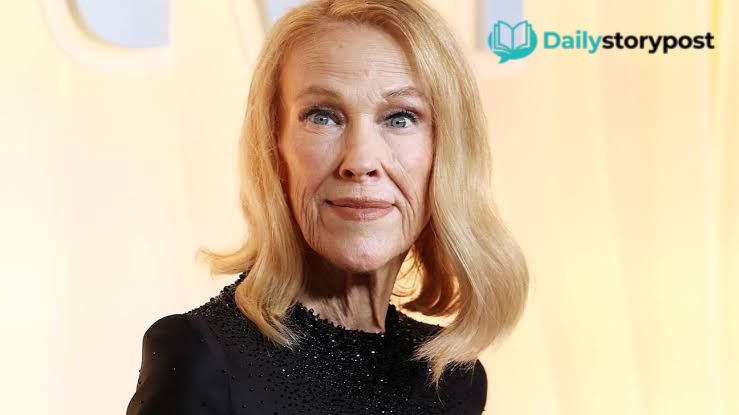
Catherine O’Hara died on January 30, 2026, at the age of 71, in Santa Monica, California. She had spent decades working in film and television and remained professionally active in the period leading up to her death.
The news came as a shock to many viewers because O’Hara had remained a familiar presence on screen. Her performances continued to reach new audiences through streaming services, television reruns, and popular films that had become part of modern entertainment culture.
The first announcement from her representatives described her passing as following a brief illness. At that stage, the public had little information about the medical circumstances, which led to understandable questions from fans and entertainment observers.
When details from the death certificate became public in February, the reported causes were identified as a pulmonary embolism and underlying rectal cancer.
Although the medical explanation answered an important question, her passing was also a reminder of how much she had contributed to the entertainment industry. Many people knew her as the warm but frantic mother in Home Alone, while others admired her extraordinary comic timing and unconventional characters in later television work.
Her career had lasted approximately five decades, and her influence extended well beyond any single role.
What Is a Pulmonary Embolism?
A pulmonary embolism is a potentially life-threatening medical condition that occurs when an artery in the lungs becomes blocked, usually by a blood clot. It can develop suddenly and requires urgent medical attention.
To understand the condition, it helps to know how blood normally travels through the body. Blood carries oxygen to organs and tissues. It moves through the heart and lungs, where it receives oxygen before circulating throughout the body. When a clot blocks an artery in the lungs, this process can be disrupted.
Many pulmonary embolisms begin with a blood clot that forms in a deep vein, often in the leg. This is known as deep vein thrombosis. If part of the clot breaks away, it can travel through the bloodstream and reach the lungs, where it may become lodged in an artery.
The severity of a pulmonary embolism varies. A smaller clot may cause symptoms that are less obvious, while a large clot can severely affect blood flow and place considerable strain on the heart. In serious cases, the condition can become fatal.
Common Signs and Symptoms
Pulmonary embolism symptoms may appear suddenly. Common warning signs include:
- Shortness of breath, which can occur unexpectedly.
- Chest pain, sometimes becoming worse when taking a deep breath.
- A rapid heartbeat or a feeling that the heart is racing.
- Coughing, occasionally accompanied by blood.
- Lightheadedness or fainting, particularly in severe cases.
Not everyone experiences the same symptoms, and some people may have symptoms that are difficult to recognize. Sudden breathing difficulties or unexplained chest pain require urgent medical assessment.
These general medical facts help explain why a pulmonary embolism is taken seriously. However, they should not be interpreted as a description of every symptom Catherine O’Hara experienced. Her publicly reported cause of death does not establish a complete personal symptom history.
Why Can a Pulmonary Embolism Be Dangerous?
A severe pulmonary embolism can prevent blood from flowing normally through part of the lungs. This can reduce oxygen delivery and place additional pressure on the right side of the heart.
The condition may progress quickly, which is why timely diagnosis and treatment are important. Doctors may use medical imaging, blood tests, and other examinations to assess whether a clot is present and determine the appropriate treatment.
Treatment depends on the patient’s condition and the severity of the blockage. It may involve blood-thinning medication, which helps prevent clots from growing and reduces the risk of additional clots. In selected serious cases, doctors may consider treatments designed to break down or remove a clot.
In Catherine O’Hara’s case, the death certificate identified pulmonary embolism as the immediate cause of death. The available information does not justify making assumptions about the specific treatment she received or the exact progression of her condition.
What Was Catherine O’Hara’s Underlying Medical Condition?
The death certificate also listed rectal cancer as the underlying cause of death. This was an important part of the medical information released after her passing because her cancer had not been widely discussed publicly during her lifetime.
Rectal cancer develops when abnormal cells grow in the rectum, the final section of the large intestine immediately before the anus. The rectum plays a role in storing stool before it leaves the body.
Rectal cancer belongs to the broader group of colorectal cancers, which includes cancers affecting the colon and rectum. Although the two conditions are related, the location of a tumour can influence how doctors evaluate and treat it.
The confirmation of rectal cancer provided a clearer explanation of the longer-term condition recorded on O’Hara’s death certificate. It also showed why it is important to distinguish between an immediate cause of death and an underlying medical condition.
How Is Rectal Cancer Different From Other Colorectal Cancers?
The colon and rectum are connected parts of the large intestine, but they occupy different areas of the digestive system. Cancer that develops in either location is classified according to where the abnormal cells originate.
Rectal cancer can cause changes in bowel habits, rectal bleeding, abdominal discomfort, or a persistent feeling that the bowel has not emptied completely. Some people experience few noticeable symptoms during the early stages, which can make medical assessment important when unusual symptoms persist.
Diagnosis may involve a physical examination, colonoscopy, tissue sampling, and imaging. The treatment plan depends on factors such as the tumour’s location, its stage, the patient’s overall health, and whether the disease has spread.
Treatment options may include surgery, radiation therapy, chemotherapy, targeted therapies, or a combination of approaches. Not every patient needs the same treatment, and medical decisions are made according to individual circumstances.
The fact that rectal cancer was listed on Catherine O’Hara’s death certificate does not establish every detail of her diagnosis, stage, or treatment. Those details should not be guessed at or presented as confirmed information without reliable evidence.
Can Cancer Increase the Risk of Blood Clots?
Cancer is associated with an increased risk of blood clots in some patients. Certain cancers can affect the body’s normal clotting processes, while treatment, reduced mobility, and other health factors may also contribute to the risk.
A clot that travels to the lungs can cause a pulmonary embolism. This is one reason doctors pay attention to clotting risks when caring for people with cancer.
However, the relationship between cancer and blood clots is complex. Risk varies depending on the type of cancer, its stage, the treatments involved, and other individual factors.
In O’Hara’s case, the death certificate linked the immediate cause of death, pulmonary embolism, with underlying rectal cancer. This is the appropriate confirmed explanation to report. It would be inaccurate to infer additional medical details that have not been publicly established.
Catherine O’Hara’s Final Days: What Is Publicly Known?
Catherine O’Hara’s death was initially described by her representatives as following a brief illness. The announcement did not immediately identify cancer or explain the medical circumstances surrounding her passing.
Later reporting based on her death certificate supplied further details, including the pulmonary embolism and underlying rectal cancer. The certificate also indicated that an oncologist had been treating her since March 2025 and had last seen her on January 27, 2026.
These details established that her cancer treatment had been ongoing before her death. They also helped clarify why the initial announcement did not provide the full medical explanation.
Despite the additional information, not every aspect of her final days has been made public. There is no need to fill those gaps with rumours or unverified stories. Respecting the limits of confirmed information is especially important when writing about a person’s illness and death.
O’Hara continued to be recognised for her work during the later years of her career. Her performances in The Studio and The Last of Us brought her further attention, and she received Emmy nominations for her recent television work.
For many fans, this continued professional activity made her death even more difficult to process. She was not simply an actress associated with films from the past; she was a performer whose work remained relevant and whose talents were still being celebrated.
Her passing brought renewed attention to her career, but her legacy extends beyond the circumstances of her final illness.
Who Was Catherine O’Hara?
Catherine O’Hara was a Canadian-American actress, comedian, writer, and performer whose career spanned several decades. She was born on March 4, 1954, in Toronto, Ontario, Canada, and grew into one of the most recognisable comic performers of her generation.
Her talent was not limited to delivering jokes. She had a remarkable ability to build distinctive characters through facial expressions, voice, movement, and carefully timed reactions. Whether she played an anxious parent, an eccentric celebrity, or a dramatic former television star, she gave each character a personality that audiences could recognise immediately.
O’Hara developed her skills through Toronto’s Second City comedy scene. The experience helped her learn improvisation and character-based comedy while working alongside performers who would become important figures in entertainment.
Her early work laid the foundation for a career that moved between television, films, voice acting, and more dramatic performances. Rather than relying on one style of comedy, she continued to experiment with different characters and approaches.
That versatility helped her remain relevant for decades. Younger viewers discovered her through Schitt’s Creek, while many longtime fans remembered her from films they had watched repeatedly since childhood.
Catherine O’Hara’s Most Memorable Roles
Home Alone
One of O’Hara’s most widely recognised performances was Kate McCallister in Home Alone (1990) and its sequel, Home Alone 2: Lost in New York (1992).
As Kevin’s mother, she portrayed a parent desperately trying to reunite with her son after he was accidentally left behind during a family trip. Her frantic expressions and emotional reactions became central to the films’ humour, but she also made Kate’s love and concern believable.
The famous moment when Kate realises Kevin has been left behind remains a memorable part of holiday movie culture. O’Hara’s performance helped give the story its emotional centre.
Schitt’s Creek
O’Hara reached another career milestone through her portrayal of Moira Rose in Schitt’s Creek. The comedy follows the wealthy Rose family after they lose their fortune and are forced to adjust to life in a small town.
Moira is an eccentric former soap opera star known for her elaborate wardrobe, dramatic expressions, unusual vocabulary, and distinctive accent. O’Hara transformed these qualities into a character who was both hilarious and unexpectedly touching.
Her performance earned her the 2020 Primetime Emmy Award for Outstanding Lead Actress in a Comedy Series. She also won a Golden Globe for the role in 2021.
Moira Rose became one of the show’s defining characters and introduced O’Hara’s comic style to a new generation of viewers.
Beetlejuice and Other Films
O’Hara also appeared as Delia Deetz in Tim Burton’s Beetlejuice (1988), a role she reprised in Beetlejuice Beetlejuice (2024). Her performance blended unusual humour with the film’s strange, imaginative atmosphere.
She also appeared in Christopher Guest’s mockumentary films, including Waiting for Guffman, Best in Show, and A Mighty Wind. These projects gave her room to improvise and create characters who felt both absurd and recognisably human.
Her filmography also included voice work in The Nightmare Before Christmas and a wide range of television appearances. This variety showed that her talent could work across different formats, audiences, and styles.
Catherine O’Hara’s Family and Personal Life
Although Catherine O’Hara spent much of her life in the public eye, she generally maintained a distinction between her professional career and her private life.
She married production designer and director Bo Welch in 1992. The couple met while working on Beetlejuice and had two sons, Matthew and Luke.
Her family was an important part of her life, but she did not make every aspect of it public. This is worth remembering when reading accounts of her illness or final days. The absence of personal medical details from public statements does not mean that rumours should be treated as facts.
O’Hara’s long professional relationship with Eugene Levy was another important part of her story. Their collaboration began in Canadian comedy and continued through many projects, including Schitt’s Creek. Their on-screen chemistry reflected years of shared experience and an understanding of one another’s comic instincts.
Their work together became a defining part of her career and contributed to the warmth audiences felt toward the Rose family.
How Fans and Fellow Actors Remembered Her
Following O’Hara’s death, tributes came from people who had worked with her over many years. Fellow performers remembered her not only for her comic talent but also for her generosity, creativity, and ability to make a character feel alive.
Macaulay Culkin, who played her son in the Home Alone films, shared an emotional tribute reflecting on their relationship. Their on-screen connection had become part of a film watched by millions of families, and his words reminded fans that their professional relationship had lasted well beyond the original movies.
Michael Keaton, her co-star in Beetlejuice, also paid tribute to their friendship. Their collaboration had brought audiences some of the most distinctive performances in the film’s unusual world.
Colleagues from Schitt’s Creek remembered the imagination and commitment she brought to Moira Rose. The character’s wardrobe, wigs, voice, and unusual turns of phrase were not simply decorative details; they were part of a carefully developed performance.
The reaction to her passing reflected the different ways people had connected with her work. Some remembered the mother who desperately searched for Kevin. Others remembered Moira’s dramatic speeches or O’Hara’s eccentric characters in Christopher Guest’s films.
What connected these memories was her ability to make audiences laugh without reducing her characters to simple jokes.
Catherine O’Hara’s Lasting Legacy
Catherine O’Hara’s legacy is larger than any single award or role. She demonstrated that comedy can be imaginative, precise, emotionally grounded, and deeply human at the same time.
Her early work in sketch comedy helped develop her skills as a character performer. Her films introduced her to international audiences, and her television work showed that she could continue finding new ways to surprise viewers throughout her career.
Her portrayal of Moira Rose was particularly significant because it gave her a character who could be unapologetically unusual. Moira’s theatrical personality, extravagant appearance, and dramatic mannerisms could easily have become one-dimensional in the hands of another performer. O’Hara instead gave the character vulnerability, pride, affection, and moments of genuine emotion.
Her performance in Home Alone offers another example of her range. Kate McCallister was very different from Moira Rose, yet O’Hara made both characters memorable through attention to detail and a clear understanding of their motivations.
Her career also illustrated the value of collaboration. From her early days in Toronto comedy to her work with Eugene Levy and Christopher Guest, she developed characters alongside other creative people while retaining a distinctive style of her own.
Her death at 71 marked the end of a remarkable career, but her performances remain available to audiences discovering her work for the first time. New viewers can still experience her comedy, while longtime fans can return to familiar films and find new details to appreciate.
Frequently Asked Questions
1. What was Catherine O’Hara’s cause of death?
Catherine O’Hara died from a pulmonary embolism, according to reporting based on her death certificate. Rectal cancer was listed as the underlying cause of death.
2. How old was Catherine O’Hara when she died?
She was 71 years old when she died on January 30, 2026. She was born on March 4, 1954, in Toronto, Canada.
3. Did Catherine O’Hara have cancer?
Yes. Her death certificate listed rectal cancer as the underlying cause of death. Reports indicated that she had been receiving treatment before her passing.
4. When did Catherine O’Hara pass away?
Catherine O’Hara passed away on January 30, 2026, in Santa Monica, California.
5. What was Catherine O’Hara best known for?
She was widely known for playing Kate McCallister in Home Alone and Moira Rose in Schitt’s Creek. She also appeared in Beetlejuice, Best in Show, and many other films and television productions.
Conclusion
The confirmed Catherine O’Hara cause of death was a pulmonary embolism, with rectal cancer recorded as the underlying cause. Her death on January 30, 2026, at age 71 brought sadness to fans who had followed her work across generations.
While these medical details answer an important question, they represent only one part of her story. O’Hara built a distinguished career through her originality, extraordinary comic timing, and ability to bring complex characters to life.
From Kate McCallister’s desperate search for her son to Moira Rose’s unforgettable theatrical flair, her performances left a lasting impression on popular culture. Her work continues to entertain audiences, and the characters she created remain a testament to her remarkable talent.
Catherine O’Hara will be remembered not only for the circumstances of her passing but also for the laughter, creativity, and humanity she brought to the screen.
Editorial note for Daily Story Post: The medical details in this article are based on published reporting about O’Hara’s death certificate. The background and career information is consistent with biographical coverage and Television Academy records. No unverified claims about her private medical experience have been added.

CBS News
+3

DD Osama is a young American rapper who became widely known through New York’s drill music scene. His rise was unusually fast, with music, social media, and personal experiences all playing an important role in his growing profile.
For people searching for dd osama age, the answer is straightforward: DD Osama was born on November 29, 2006, in Harlem, New York. As of October 2026, he is 19 years old. His real name is David DeShaun Reyes, although he is much better known professionally as DD Osama. Major music databases, including AllMusic and Apple Music, list his birth date as November 29, 2006.
His age is interesting because he began building a serious music career while still very young. Within only a few years, he went from recording songs with people close to him to becoming a recognizable name in New York drill and contemporary hip-hop.
BIO
| Label | Information |
|---|---|
| Full Name | David DeShaun Reyes |
| Stage Name | DD Osama |
| Date of Birth | November 29, 2006 |
| Age | 19 years old |
| Birthplace | Harlem, New York |
| Nationality | American |
| Profession | Rapper and Songwriter |
| Music Genre | Hip-Hop and Drill |
| Active Since | 2021 |
| Known For | New York drill music |
| Notable Song | “Dead Opps” |
| Brother | Notti Osama |
| Record Style | Drill, rap, and melodic hip-hop |
Who Was DD Osama?
DD Osama is an American rapper and songwriter associated with the New York drill scene. He grew up in Harlem and developed an interest in music at a young age.
His early environment had a strong influence on his sound and identity as an artist. Harlem has a long history of producing influential musicians, and New York drill became an important part of the city’s modern hip-hop culture. DD Osama emerged from that environment during a period when younger artists were using platforms such as YouTube and social media to reach audiences without having to follow the traditional path into the music industry.
According to an interview published by XXL, DD Osama was born David Reyes and grew up in the Sugarhill section of Harlem. The publication described him as a young artist who had already attracted substantial attention by the time he was 17.
His music is generally associated with drill, trap, and contemporary rap. AllMusic describes his work as including both energetic drill records and more vulnerable material connected to grief and personal experiences.
DD Osama Age and Birth Date

DD Osama was born on November 29, 2006.
That means he turned:
- 15 in November 2021
- 16 in November 2022
- 17 in November 2023
- 18 in November 2024
- 19 in November 2025
He will turn 20 on November 29, 2026.
This timeline helps explain why searches for his age are so common. His music career began when he was still a teenager, and much of his early popularity came before he reached adulthood.
MusicBrainz also records his birth date as November 29, 2006, and identifies Harlem, New York, as his birthplace.
When discussing a young artist’s age, it is useful to separate verified information from online rumors. Social media posts can sometimes repeat incorrect birth years or ages. For that reason, a reliable biography should use established music databases and reputable publications rather than relying on unsourced posts.
DD Osama’s Early Life
DD Osama grew up in Harlem with several siblings. His family would become an important part of his personal story as well as his music career.
According to XXL, he spent his childhood in the Sugarhill area of Harlem and enjoyed playing outside with his siblings. The publication also reported that his younger brother Notti Osama helped introduce him to music from artists such as Polo G, Lil Keed, and Hotboii.
His early musical development was not simply about trying to become famous. He was surrounded by people close to him who were also interested in making music. That made recording and experimenting with rap a natural part of his teenage years.
XXL reported that DD Osama started recording in 2021 alongside his younger brother Notti Osama. At first, he did not necessarily treat music as a full-time career, but his interest became more serious as he developed confidence in his ability.
That early start is an important part of understanding his career. Unlike artists who spend many years working before releasing music professionally, DD Osama entered the public eye while still very young.
DD Osama’s Music Career
DD Osama began releasing music in the early 2020s. AllMusic lists 2021 as the beginning of his releases under the DD Osama name. One of his early songs was “Aftermath,” which was connected to his work with Notti Osama and Blockwork.
His early music reflected the sound of New York drill, a style known for its heavy production, direct lyrics, and energetic delivery. However, his catalog also developed an emotional side.
That combination helped distinguish him from artists who focused on only one aspect of drill. Some songs presented an aggressive and energetic style, while others dealt more directly with loss, relationships, and personal emotions.
Apple Music lists DD Osama as a New York-based rapper and identifies his genre as rap. Its artist information also notes releases such as “Dead Opps,” “Here 2 Stay,” and later projects and singles.
The Impact of “Dead Opps”
One of the most important songs in DD Osama’s early career was “Dead Opps.”
The song was recorded with his brother Notti Osama and became particularly significant following Notti’s death in July 2022. AllMusic identifies “Dead Opps” as a major part of DD Osama’s breakthrough and says the song went viral in 2022.
The attention surrounding the song changed the scale of DD Osama’s career. His name began reaching listeners far beyond the local New York drill scene.
However, the circumstances behind that rise were deeply painful. Notti Osama, whose real name was Ethan Reyes, died at the age of 14 in July 2022.
This tragedy became closely connected with DD Osama’s public story. Instead of simply being another young rapper trying to gain attention, he was suddenly dealing with grief while his music career was accelerating.
That combination of personal loss and rapid public attention became a recurring theme in his later music.
DD Osama and His Brother Notti Osama
Notti Osama was not only DD Osama’s younger brother; he was also a musical collaborator.
The two began making music together when they were teenagers. Their relationship gave DD Osama an early creative partner and helped shape the direction of his music.
After Notti’s death, DD Osama released music that reflected his grief and continued to honor his brother. Songs such as “Long Live Notti” and “Letter 2 Notti” became associated with this period of his career. AllMusic notes that his later music addressed the loss directly.
The story is important because it shows that DD Osama’s career cannot be understood only through numbers, songs, or internet popularity. His music was also influenced by a deeply personal family experience.
Pitchfork’s coverage of DD Osama’s early work similarly discussed how the death of Notti Osama affected the young rapper’s rapid rise and the emotional character of his music.
What Made DD Osama Popular?
Several factors contributed to DD Osama’s popularity.
First, he entered music at a time when young drill artists could reach audiences quickly through YouTube, TikTok, streaming services, and other social platforms.
Second, his music had a recognizable New York drill identity. The energetic production and direct delivery matched the sound that many younger listeners were already following.
Third, his personal story made his music more emotionally significant to many fans. His brother’s death became part of the story surrounding his rise, while songs dedicated to Notti gave listeners a more personal view of the artist.
Finally, DD Osama’s age itself became part of the public interest. He was still a teenager when his audience expanded rapidly. That made his development as an artist something fans could follow almost in real time.
Famous Birthdays lists his professional beginning in the early 2020s and identifies songs such as “Without You,” “Dead Opps,” and “40s N 9s” among his notable work.
DD Osama’s Musical Style
DD Osama is strongly connected with New York drill, but his music is not limited to one emotional tone.
Some of his songs are energetic and aggressive, while others are more reflective. This contrast is especially noticeable when comparing songs created around his early drill identity with music influenced by personal loss.
AllMusic describes his catalog as moving between explosive drill records and more vulnerable, melodic material.
His influences have also extended beyond New York drill. In his XXL interview, DD Osama mentioned artists including Lil Durk, Rod Wave, and Lil Baby among his favorite artists.
These influences help explain why his music can move between hard-edged drill and more melodic approaches.
DD Osama’s Major Projects
As his popularity grew, DD Osama moved beyond individual viral songs and began releasing larger projects.
One important project was “Here 2 Stay,” released in 2023. The project explored his experience with sudden attention, grief, and the pressures that came with becoming a recognizable young artist.
Pitchfork reviewed the mixtape and described it as a project shaped by both the rapid rise of the young rapper and the loss of his brother.
DD Osama later released “Before the Album” in 2024. AllMusic and Apple Music both list the project among his catalog.
His continued releases show that his career developed beyond the viral moment that first brought him widespread attention.
DD Osama’s Growing Career
By his late teenage years, DD Osama had already worked with several artists and performed for larger audiences.
Bandsintown describes him as a Harlem-born rapper and lists collaborations involving artists such as NLE Choppa, Sugarhill Ddot, and Lil Zay Osama. It also notes his involvement with Lil Durk’s “Sorry For The Drought Tour” in 2023.
Live performances are an important step for a young artist because they demonstrate whether online popularity can translate into a real audience. DD Osama’s touring activity showed that his fanbase extended beyond streaming platforms.
His later music has continued to appear on major streaming services. Apple Music’s catalog includes releases from 2025 and 2026, showing that his career has continued developing after his initial breakthrough.
DD Osama’s Personal Life
DD Osama has kept much of his personal life away from detailed public discussion, although his family relationships have naturally received attention because of their connection to his music.
His relationship with Notti Osama is particularly important to his story. The brothers were both involved in music, and their recordings became part of DD Osama’s early catalog.
There has also been public interest in his friendships, collaborations, and reported relationships. However, not every claim circulating online has the same level of reliability.
For that reason, it is better to focus on information that has been publicly documented by established publications or reputable music databases rather than treating every social media rumor as fact.
Why Fans Search for DD Osama Age
The search for dd osama age is closely connected to the unusual speed of his career.
Many fans discovered him when he was still a teenager. Seeing a young artist gain millions of views and a large audience naturally leads people to wonder how old he was when his career began.
His age also puts his timeline into perspective. He began recording around 2021, when he was about 14, and started attracting much broader attention while still in his mid-teens.
That is a remarkably young age to begin building a professional music career.
At the same time, focusing only on his age can overlook the work behind his growth. Recording music, developing a sound, performing live, building an audience, and handling public attention all require effort, particularly for an artist who entered the spotlight so early.
DD Osama’s Legacy
DD Osama’s story is still developing, so it is too early to describe his complete career legacy.
What can already be said is that he became one of the recognizable young names connected with New York drill during the early 2020s. His rise also demonstrated how quickly a young artist can move from local recognition to a much wider audience through digital platforms.
His music has another important dimension because of the personal grief behind some of his most recognizable work. His brother Notti Osama’s death affected both his personal life and the direction of his music.
That experience gave some of his songs a different emotional weight and helped listeners connect with him beyond the typical image of a young drill rapper.
Frequently Asked Questions
How old is DD Osama?
DD Osama is 19 years old as of October 2026. He was born on November 29, 2006, in Harlem, New York. He will turn 20 on November 29, 2026.
What is DD Osama’s real name?
DD Osama’s real name is David DeShaun Reyes, although some sources shorten this to David Reyes. He performs under the professional name DD Osama.
When did DD Osama start making music?
DD Osama began recording music around 2021. His early work included collaborations with his younger brother Notti Osama, and he became more serious about music as his confidence and audience grew.
Where is DD Osama from?
DD Osama is from Harlem, New York, and has been closely associated with the Sugarhill area. His New York background has played an important role in his connection to the city’s drill and hip-hop scene.
Who was Notti Osama?
Notti Osama was DD Osama’s younger brother and a rapper who worked with him on music. Notti, whose real name was Ethan Reyes, died in July 2022 at age 14. His death had a major impact on DD Osama’s personal life and music.
What is DD Osama known for?
DD Osama is best known for his New York drill music, viral songs such as “Dead Opps” and “40s N 9s,” and projects including “Here 2 Stay.” His music also includes emotional songs influenced by the loss of his brother.
Conclusion
DD Osama’s story is notable not simply because of his age, but because of how much he accomplished while still very young.
Born on November 29, 2006, he entered music as a teenager and quickly developed a following through New York drill, online platforms, collaborations, and songs that connected with listeners on both energetic and emotional levels.
The loss of his younger brother Notti Osama became one of the defining experiences of his early career, influencing songs and shaping how many fans understood his music. At the same time, projects such as “Here 2 Stay” and “Before the Album” showed that his career was continuing beyond the initial viral success.
As of October 2026, DD Osama is 19 years old, with his 20th birthday coming in November. His career remains a work in progress, and his continued releases suggest that there is still more to come from the Harlem rapper.
How old is DD Osama?
DD Osama was born on November 29, 2006. He is 19 years old as of October 2026.
What is DD Osama’s real name?
His real name is David DeShaun Reyes. He is professionally known as DD Osama.
When did DD Osama start making music?
DD Osama began recording music around 2021, initially working with people close to him, including his younger brother.
Where is DD Osama from?
DD Osama is from Harlem, New York, and his music is closely connected with the New York drill scene.
Who was Notti Osama?
Notti Osama was DD Osama’s younger brother and a rapper. His death in 2022 had a major impact on DD Osama’s life and music.


- Celebrity4 months ago
How Tall Is Glen Powell? Height, Facts, and More
- Celebrity4 months ago
Fielder Jewett Age: Everything We Know About Him in 2026
- Technology4 months ago
How Simpcitt Is Changing the Way People Think Today
- Celebrity4 months ago
Who Is Meredith Schwarz? Key Facts You Should Know
- Home Safety4 months ago
How KDArchitects Landscape Ideas by Morph Transform Outdoor Spaces
- Business4 months ago
How Driving Modes in Cadillac Lyriq Impact Range and Efficiency
- Food & Drink4 months ago
Where to Find the Best Piononos de Santa Fe Near Me Today
- Business4 months ago
How to Buy Milohacherry Coin Safely and Get Started Today