
Health & Wellness
Is Zikzoutyqulsis Dangerous? What You Need to Know Today


Introduction
The question “Is Zikzoutyqulsis dangerous?” has appeared in online searches, leading many people to wonder whether it refers to a disease, a medical condition, a virus, a chemical substance, or another type of health concern. At present, there is no recognized medical condition, infectious disease, toxin, or scientific term officially known as “Zikzoutyqulsis.”
It does not appear in established medical textbooks, major healthcare databases, or widely accepted scientific terminology. Because of this, it is impossible to classify it as dangerous based on credible medical evidence. However, the popularity of unusual search terms demonstrates how quickly unfamiliar words can spread across the internet, often creating confusion and unnecessary concern.
Why People Search for Unknown Medical Terms
The internet has become the primary source of health information for millions of people. Every day, users search for unfamiliar symptoms, diseases, medications, and medical terminology. Sometimes these searches involve legitimate medical conditions, while other times they involve misspelled words, fictional names, internet rumors, or automatically generated phrases.
When people encounter a word like “Is Zikzoutyqulsis Dangerous,” curiosity naturally leads them to ask whether it represents something harmful. This highlights the importance of verifying health information through trusted medical resources rather than assuming every unfamiliar term represents a genuine medical condition.
Is Zikzoutyqulsis a Real Disease?

Based on currently available medical knowledge, Is Zikzoutyqulsis Dangerous is not recognized as an official disease or diagnosis. Healthcare professionals rely on standardized medical classifications to identify illnesses, and recognized diseases are typically documented through extensive scientific research and clinical evidence.
Since no reliable medical references identify Zikzoutyqulsis as a known condition, there is no evidence that it exists as an actual illness affecting human health. Understanding how to evaluate unfamiliar health-related terms is essential for distinguishing reliable information from misinformation.
Could It Be a Misspelled Word?
One possibility is that Is Zikzoutyqulsis Dangerous is the result of a spelling mistake. Internet users frequently misspell complex medical terminology, particularly when searching quickly or relying on memory. Small typing errors can produce completely unfamiliar words that search engines may still display.
It is possible that someone intended to search for another condition with a similar appearance or pronunciation. Verifying spelling before drawing conclusions is always a useful first step when researching unfamiliar topics.
The Spread of Internet Misinformation
Online misinformation spreads rapidly, Is Zikzoutyqulsis Dangerous especially when unusual or mysterious terms attract attention. Social media platforms, discussion forums, and unofficial websites sometimes introduce fabricated names that appear convincing despite lacking scientific support.
Once these terms begin circulating, search activity increases, creating the impression that they represent genuine medical concerns. In reality, popularity does not establish credibility. Responsible research requires consulting reliable sources rather than relying solely on search trends or viral posts.
How Medical Conditions Are Identified
Recognized medical conditions undergo extensive investigation before becoming accepted by the healthcare community. Researchers conduct laboratory studies, clinical trials, epidemiological research, and peer-reviewed evaluations to establish evidence regarding symptoms, causes, diagnosis, and treatment.
Medical organizations then classify diseases using internationally recognized systems. Since Is Zikzoutyqulsis Dangerous has not undergone such processes, there is currently no scientific basis for treating it as a confirmed health condition.
Why Unusual Terms Become Popular
The internet often rewards novelty. Strange or mysterious words naturally attract attention because people want to understand what they mean. Search engines record growing interest, encouraging additional users to investigate the same topic.
This cycle can create significant visibility for terms that lack any factual foundation. Is Zikzoutyqulsis Dangerous may simply represent one example of this broader phenomenon, where curiosity generates widespread searches despite the absence of credible evidence.
The Importance of Scientific Evidence
Scientific evidence remains the foundation of modern medicine. Reliable health recommendations are based on carefully collected data rather than speculation or rumors. Researchers evaluate new discoveries through rigorous testing before reaching conclusions regarding safety or risk.
Without such evidence, claims about the dangers of an unfamiliar term cannot be verified. Is Zikzoutyqulsis Dangerous Maintaining a healthy level of skepticism helps protect individuals from unnecessary anxiety and misinformation.
Understanding Online Search Trends
Search trends do not necessarily indicate the existence of real-world events or medical conditions. People search for fictional characters, invented words, internet jokes, and misunderstood phrases every day. High search volume simply reflects public curiosity.
Therefore, the appearance of Is Zikzoutyqulsis Dangerous in search queries should not automatically be interpreted as proof that it represents an actual disease or dangerous substance. Recognizing these warning signs helps users avoid misinformation while making more informed decisions.
Responsible Health Research
Responsible health research involves combining curiosity with critical thinking. Before accepting alarming claims, individuals should evaluate the credibility of available information and consider whether reliable medical authorities recognize the subject being discussed.
Cross-checking information across established healthcare resources provides far greater confidence than relying on isolated internet discussions. Is Zikzoutyqulsis Dangerous Certain characteristics frequently appear in misleading health claims:
Why Verification Matters
Accurate medical information influences important decisions regarding healthcare, treatment, Is Zikzoutyqulsis Dangerous and personal well-being. Incorrect information may cause unnecessary fear or delay appropriate medical attention for genuine health concerns.
Verifying unfamiliar terms ensures that decisions are based on evidence rather than speculation. This approach benefits individuals, families, and communities alike. These practices reduce the likelihood of being misled by inaccurate or fabricated information.
Staying Informed in the Digital Age
Access to information has never been easier, Is Zikzoutyqulsis Dangerous yet the abundance of online content makes careful evaluation increasingly important. Whenever encountering unfamiliar medical terminology, several practical steps can help determine its reliability:
Digital literacy involves not only finding information but also assessing its reliability. Learning to distinguish credible medical evidence from unsupported claims empowers users to navigate the internet more confidently and responsibly.
Conclusion
At this time, there is no credible evidence that “Is Zikzoutyqulsis Dangerous” is a recognized medical condition, disease, or dangerous substance. The term does not appear to be part of established medical terminology, and there is no scientific basis for describing it as harmful. It may represent a misspelling, an invented word, or an internet-generated phrase rather than an actual health concern.
When encountering unfamiliar medical terms online, the best approach is to verify spelling, consult trustworthy healthcare resources, and rely on evidence-based information rather than rumors or speculation. Careful research and critical thinking remain the most effective tools for understanding health-related topics and avoiding unnecessary confusion in an increasingly complex digital world.
FAQs
1. Is Zikzoutyqulsis dangerous?
There is not enough reliable information to confirm whether Zikzoutyqulsis is dangerous. Its ingredients, purpose, and source should be checked before use.
2. What should I check before using Zikzoutyqulsis?
Check the product label, ingredients, manufacturer, intended use, and any available safety information. Avoid products with unclear labeling.
3. Can Zikzoutyqulsis cause side effects?
Potential side effects depend on what Zikzoutyqulsis actually contains. If you notice an unusual reaction, stop using it and seek appropriate professional advice.
4. How can I know if Zikzoutyqulsis is safe?
Look for credible information about its ingredients and intended use. Do not rely solely on anonymous reviews or unverified online claims.
5. Should I use Zikzoutyqulsis if I am unsure about it?
If the product or substance cannot be clearly identified, it is safer to avoid using it until reliable information about its safety is available.
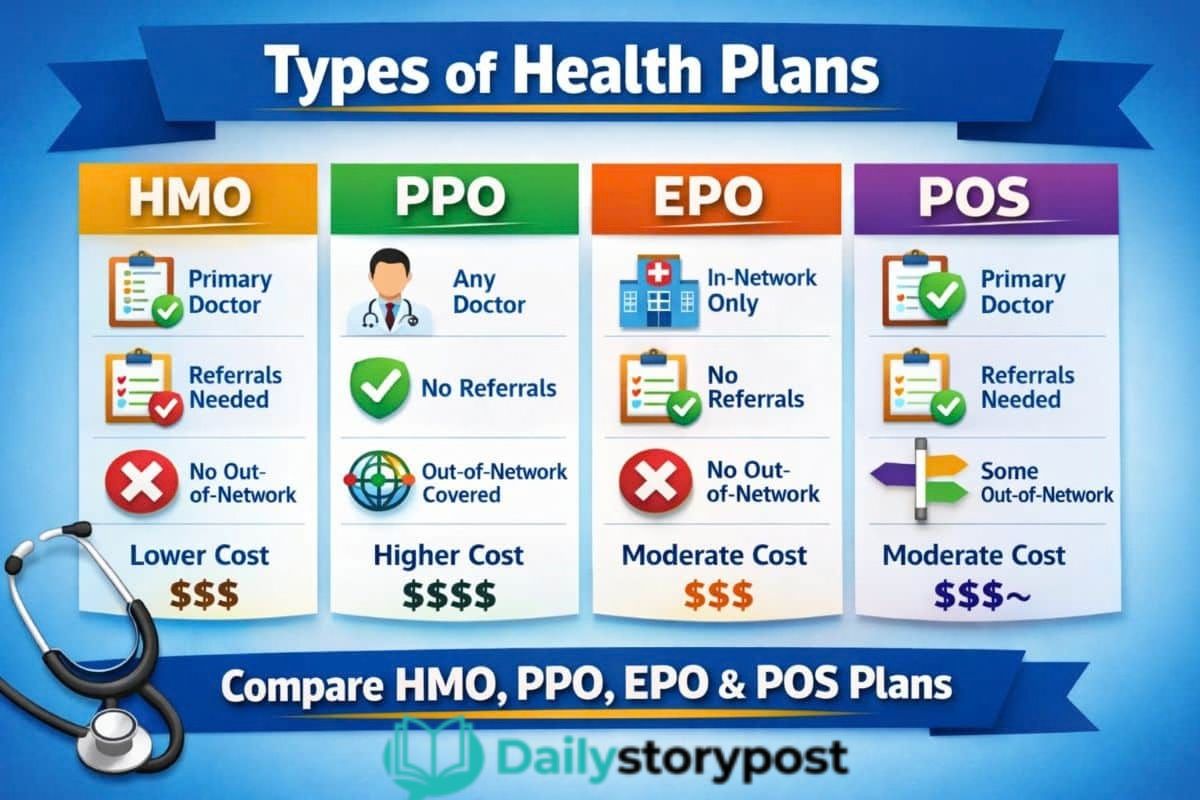
Understanding health insurance can be difficult, especially when terms such as PPO, deductible, copay, coinsurance, and provider network appear in the same plan documents. For people searching for information about everydayhealth ppo, the first step is understanding how a Preferred Provider Organization generally works and then checking the exact benefits of the plan being considered.
A PPO gives members more freedom when choosing healthcare providers than some other types of health plans. In many PPO arrangements, members can receive care from doctors and hospitals outside the network, although doing so usually costs more. The exact rules, costs, and covered services depend on the specific insurance policy.
This guide explains how PPO coverage works, what costs to look for, how provider networks affect your expenses, and what to check before choosing or using a plan.
BIO
| Label | Information |
|---|---|
| Topic | EverydayHealth PPO |
| Type | Preferred Provider Organization |
| Main Purpose | Health insurance coverage |
| Provider Network | In-network and out-of-network options |
| In-Network Care | Usually costs less |
| Out-of-Network Care | Usually costs more |
| Specialist Access | Often available without referrals |
| Monthly Premium | Regular cost for coverage |
| Deductible | Amount paid before certain coverage begins |
| Copayment | Fixed cost for covered services |
| Coinsurance | Percentage of covered costs |
| Out-of-Pocket Maximum | Annual limit on certain covered costs |
| Key Consideration | Check the plan’s network and benefits |
What Is EverydayHealth PPO?
The phrase everydayhealth ppo can be used when people are searching for information about PPO health coverage, but it is important not to assume that every PPO plan has the same benefits or is offered by the same insurer.
A Preferred Provider Organization (PPO) is a type of health insurance plan that contracts with doctors, hospitals, and other healthcare providers to create a network. Members generally pay less when they receive care from providers within that network. They can often use providers outside the network as well, but the cost is usually higher.
This flexibility is one of the main features people associate with PPO coverage. Instead of being limited to a particular group of doctors, a member may have a wider range of choices.
However, flexibility does not mean every service is automatically covered. The actual plan documents always matter. A specific PPO can have its own deductible, copayments, coinsurance, network rules, exclusions, and authorization requirements.
How EverydayHealth PPO Plans Work

A PPO generally works by dividing healthcare providers into in-network and out-of-network categories.
In-network providers have agreements with the insurance plan. Because the insurer has negotiated rates with these providers, members usually pay less when they receive covered care from them.
Out-of-network providers do not have the same network agreement. A PPO may still provide some coverage for eligible services from these providers, but the member may have a higher deductible, higher coinsurance, or other additional costs.
HealthCare.gov describes a PPO as a plan in which members generally pay less for network providers but can use doctors, hospitals, and other providers outside the network for an additional cost.
For that reason, checking the network before scheduling care can make a significant difference to the final bill.
Understanding the Provider Network
The provider network is one of the most important parts of a PPO plan.
Suppose you have a preferred doctor and want to continue seeing that doctor after enrolling in a plan. It is not enough to assume the doctor accepts the insurance company. The doctor should be confirmed as in network for your specific plan.
Insurance companies can offer multiple plans with different networks. A healthcare provider may participate in one network but not another.
Before an appointment, check the plan’s provider directory or contact the insurer and confirm the provider’s current network status. It is also sensible to ask the doctor’s office because provider participation can change.
For hospitals and medical facilities, the same principle applies. If you need planned treatment, checking the facility’s network status in advance can help prevent unexpected costs.
In-Network vs. Out-of-Network Care
The difference between in-network and out-of-network care can have a major effect on what you pay.
In-network care generally costs less because the provider has an agreement with the health plan. The insurer and provider have established rules for how covered services are priced and paid.
Out-of-network care may still be covered under a PPO, but your share can be higher. Depending on the plan, you may face a separate deductible or higher coinsurance.
There can also be situations where an out-of-network provider charges more than the amount recognized by the plan. The details depend on the policy and the circumstances.
This is why a PPO’s flexibility should be viewed together with its cost-sharing rules. Having the ability to see an out-of-network provider does not necessarily mean doing so will be inexpensive.
Do PPO Plans Require Referrals?
One reason people consider PPO plans is the flexibility they can provide when accessing specialists.
A referral is generally an order from a primary care doctor allowing a patient to see a specialist or receive certain services. Referral requirements vary by plan type and by individual policy. HealthCare.gov notes that PPO plans generally allow members to use doctors and specialists outside the network without a referral, although additional costs may apply.
That does not mean every service under every PPO can be obtained without prior approval. Some treatments, procedures, medications, or specialized services may have prior authorization requirements.
Therefore, it is useful to distinguish between a referral and prior authorization. They are not always the same thing.
Understanding EverydayHealth PPO Costs
The monthly premium is only one part of health insurance costs.
When reviewing an everydayhealth ppo plan or any other PPO policy, look at several numbers together. These may include:
- Premium: The amount paid for health coverage, usually each month.
- Deductible: The amount you generally pay for covered services before the plan begins paying according to its cost-sharing rules.
- Copayment: A fixed amount you may pay for a covered service.
- Coinsurance: A percentage of the allowed cost that you pay after meeting applicable deductibles.
- Out-of-pocket maximum: The plan’s stated limit on what you pay for covered services during the plan year, subject to the plan’s rules.
HealthCare.gov explains that deductibles, copayments, coinsurance, and premiums all contribute to the overall cost of healthcare coverage.
Looking at only the premium can give an incomplete picture of what a plan may cost over a year.
How the Deductible Works
A deductible is an amount you generally pay toward covered healthcare services before the insurance plan begins paying according to the plan’s cost-sharing structure.
For example, imagine a hypothetical plan with a $2,000 deductible. If a covered service is subject to the deductible, you may have to pay eligible costs until you have reached that $2,000 amount.
After the deductible is met, the plan may require you to pay a copayment or coinsurance for certain covered services.
The exact process varies by plan. Some services may be covered before the deductible is met, and certain preventive services may receive special treatment under applicable rules. HealthCare.gov explains that many plans cover certain services before the deductible is reached and that Marketplace plans cover certain preventive benefits without cost-sharing.
Always check the plan’s cost-sharing details instead of assuming that every medical service follows the same deductible rule.
Copayments and Coinsurance
Copayments and coinsurance are two common ways insurance plans divide healthcare costs between the member and insurer.
A copayment is usually a fixed amount. For example, a plan might specify a particular copay for an office visit.
Coinsurance is different because it is generally a percentage of the allowed cost. HealthCare.gov gives the example of a 20% coinsurance amount, meaning the member pays 20% of the applicable allowed amount after meeting the relevant deductible.
The difference may seem small when reading a plan summary, but it can become important when receiving expensive medical treatment.
A routine visit and a major procedure can have very different costs, so it helps to understand how each type of cost-sharing applies to different services.
What Is the Out-of-Pocket Maximum?
The out-of-pocket maximum is an important number to review when comparing health insurance plans.
For covered services subject to the limit, once you reach the plan’s applicable out-of-pocket maximum during the plan year, the plan generally pays 100% of covered benefits for the remainder of that period, subject to the plan’s terms.
HealthCare.gov notes that premiums, services the plan does not cover, and certain out-of-network expenses are not included in the Marketplace out-of-pocket maximum.
This is important because reaching an out-of-pocket maximum does not mean every healthcare expense becomes free. The services must still be covered, and the plan’s rules continue to apply.
For anyone comparing PPO options, the out-of-pocket maximum can be just as important as the monthly premium.
What Can a PPO Plan Cover?
Coverage depends on the individual policy, but health insurance plans can cover a broad range of medical services.
Depending on the plan, benefits may include:
- Primary care visits
- Specialist appointments
- Hospital services
- Emergency care
- Urgent care
- Preventive services
- Prescription medications
- Diagnostic tests
- Outpatient procedures
- Mental health services
- Rehabilitation services
Marketplace health plans cover categories of essential health benefits required under applicable federal rules, although specific plan designs, networks, and cost-sharing arrangements can differ.
The important point is that “covered” does not always mean “free.” A covered service may still involve a deductible, copayment, coinsurance, or other applicable cost.
Specialist Care Under a PPO
Specialist care is another area where PPO plans can offer flexibility.
A specialist could include a dermatologist, cardiologist, orthopedist, neurologist, or another physician who focuses on a particular area of medicine.
Many PPO arrangements allow members to see specialists without obtaining a primary-care referral. However, individual plan rules should always be checked before making an appointment.
It is also useful to confirm three things before specialist treatment:
First, make sure the specialist is in the plan’s network if you want the lower network cost.
Second, check whether the planned service is covered.
Third, find out whether prior authorization is required.
These simple checks can make the billing process easier to understand.
Prescription Drug Coverage
Prescription coverage can be another important part of a health insurance plan.
A plan may use a formulary, which is a list of medications covered under the prescription benefit. Different drugs can have different cost-sharing levels.
For example, a generic medication may have a different cost than a preferred brand-name medication or a non-preferred drug.
Before relying on coverage for an ongoing prescription, check whether the medication appears on the plan’s current formulary and whether any restrictions apply.
Some plans may also have pharmacy networks, quantity limits, step-therapy requirements, or prior authorization rules.
If you take regular medication, prescription coverage should be part of your plan comparison rather than an afterthought.
EverydayHealth PPO vs. HMO
PPO and HMO plans have different approaches to provider access.
A PPO generally gives members more flexibility to use providers outside the network, although those services usually cost more.
An HMO generally focuses more heavily on its network and usually does not cover routine out-of-network care except in specific circumstances, such as emergencies.
Referral rules can also differ.
Rather than deciding between plan types based on the name alone, consider your own healthcare needs, preferred doctors, expected specialist visits, and willingness to pay for out-of-network flexibility.
EverydayHealth PPO vs. EPO
An Exclusive Provider Organization (EPO) is another type of health plan.
HealthCare.gov explains that EPO coverage generally requires members to use doctors, specialists, and hospitals within the plan’s network, except for emergencies. PPO plans generally offer out-of-network access at additional cost.
This distinction can matter if you regularly travel, live in more than one area, or already have healthcare providers you want to continue using.
The specific costs and rules still depend on the plan.
EverydayHealth PPO vs. POS
A Point of Service (POS) plan combines characteristics associated with different types of managed care.
HealthCare.gov notes that POS plans generally charge less for in-network providers and require a referral from a primary care doctor to see a specialist.
A PPO may offer more direct access to specialists and greater out-of-network flexibility.
However, plan names alone should not determine your choice. The actual Summary of Benefits and Coverage and plan documents provide more useful information about what you would pay and what services are included.
Potential Benefits of PPO Coverage
One of the biggest attractions of PPO coverage is provider flexibility.
People who already have established relationships with particular doctors may appreciate having a plan that offers broader provider options.
Another potential benefit is access to out-of-network providers. Although the cost can be higher, the option may be useful when a preferred specialist or facility is not part of the network.
PPO arrangements can also be convenient for people who want to access specialists without following the same referral structure commonly associated with some HMO plans.
Still, these benefits need to be considered alongside the plan’s costs.
Potential Limitations of PPO Plans
PPO coverage can come with higher premiums or greater cost-sharing than some more restrictive network arrangements. The exact difference varies considerably between plans.
Out-of-network care can also become expensive.
Another common issue is that members may assume a provider is covered simply because the provider accepts the insurer. Accepting an insurer is not necessarily the same as being in network for your particular plan.
Checking network status, deductibles, coinsurance, and authorization rules before receiving care can reduce unpleasant surprises.
How to Compare an EverydayHealth PPO Plan
When reviewing a PPO option, start with the monthly premium, but do not stop there.
Next, look at the deductible and determine which services are subject to it. Then review copayments and coinsurance for common services such as primary care, specialist visits, urgent care, hospital treatment, and prescription drugs.
The out-of-pocket maximum deserves special attention because it can indicate your potential exposure to covered medical costs during a plan year.
HealthCare.gov recommends comparing estimated total yearly healthcare costs rather than looking only at monthly premiums.
Also review the provider network. A plan may appear attractive until you discover that your preferred doctor or nearby hospital is outside the network.
Read the Summary of Benefits and Coverage
The Summary of Benefits and Coverage (SBC) is one of the most useful documents for comparing health insurance plans.
CMS explains that the SBC provides standardized information about benefits, coverage, cost-sharing provisions, limitations, and exceptions. It is designed to make it easier for consumers to compare plans.
Before enrolling, look at the SBC and the full plan documents.
Pay particular attention to:
- Deductible
- Premium
- Primary care costs
- Specialist costs
- Hospital costs
- Prescription coverage
- Out-of-network coverage
- Coinsurance
- Out-of-pocket maximum
- Exclusions and limitations
- Prior authorization requirements
If something is unclear, ask the insurer for an explanation before making a decision.
Questions to Ask Before Enrolling
A few straightforward questions can help you understand a PPO plan more clearly.
Is my current doctor in network?
Is my preferred hospital in network?
What is the annual deductible?
What is the out-of-pocket maximum?
How much will I pay for a specialist visit?
Does the plan provide out-of-network coverage?
Do I need referrals for specialists?
Which medications are covered?
Are any services subject to prior authorization?
Can I receive a copy of the Summary of Benefits and Coverage?
Getting answers to these questions before enrollment can be much easier than trying to resolve a coverage issue after receiving medical care.
Common Mistakes to Avoid
One common mistake is choosing a plan based only on its monthly premium.
A lower premium may be attractive, but a plan with a higher deductible or higher cost-sharing could result in greater total spending if you expect to use healthcare frequently.
Another mistake is ignoring the provider network.
A person might choose a plan assuming their doctor is covered, only to discover later that the doctor is considered out of network under that particular policy.
It is also easy to overlook prescription coverage. If you regularly take medication, checking the formulary before enrollment can be especially useful.
Finally, do not assume that reaching your out-of-pocket maximum means all healthcare services are covered. The maximum generally applies to covered services under the plan’s rules, while premiums and certain excluded or out-of-network costs may remain outside the limit.
What to Check Before Using Your Plan
Once you have a PPO plan, keep your insurance information available and learn how to access the plan’s provider directory and benefit documents.
Before planned treatment, confirm that the provider and facility are in network.
For expensive procedures, ask about estimated costs and whether prior authorization is required.
For prescriptions, check the current formulary and pharmacy requirements.
For emergency situations, follow appropriate medical guidance rather than delaying necessary care simply to check insurance details. The financial rules for emergency services can differ from ordinary planned care.
Keeping basic records of appointments, bills, explanations of benefits, and insurer communications can also make it easier to resolve billing questions.
Final Thoughts
Understanding everydayhealth ppo starts with understanding what a PPO actually provides. The central idea is relatively simple: a PPO uses a network of preferred providers, generally offers lower costs for in-network care, and may provide coverage for out-of-network care at a higher cost.
The details are where things become important.
Before choosing or using a plan, review the provider network, premium, deductible, copayments, coinsurance, prescription benefits, out-of-pocket maximum, and authorization requirements. These details can have a much greater effect on your healthcare spending than the plan’s name alone.
The most reliable way to understand a specific PPO is to read its current Summary of Benefits and Coverage and official plan documents. CMS and HealthCare.gov provide standardized information intended to help consumers compare health plans and understand common insurance terms.
Ultimately, a PPO should be evaluated based on the actual coverage and costs offered by the specific plan. Taking a few minutes to check the details before enrollment or treatment can make healthcare expenses easier to anticipate and help you avoid misunderstandings about your coverage.
FAQs
FAQs About EverydayHealth PPO
1. What is EverydayHealth PPO?
EverydayHealth PPO refers to information people may search for about PPO health coverage. A PPO generally offers access to in-network providers at lower costs and may also cover out-of-network care at a higher cost.
2. How does an EverydayHealth PPO plan work?
A PPO uses a network of healthcare providers. Members can usually choose doctors and specialists without the same referral requirements found in some other plan types, while out-of-network care may cost more.
3. Does a PPO cover out-of-network doctors?
Many PPO plans provide some coverage for out-of-network providers. However, members generally pay more through higher deductibles, coinsurance, or other cost-sharing requirements.
4. Do PPO plans require referrals to see specialists?
PPO plans generally allow members to see specialists without a primary-care referral, but specific plan rules can vary. Checking the plan documents before an appointment is recommended.
5. What should I check before choosing a PPO plan?
Review the premium, deductible, copayments, coinsurance, out-of-pocket maximum, provider network, prescription coverage, and any prior authorization requirements before enrolling.
Myasthenia gravis is a long-term condition that causes weakness in muscles that are under voluntary control. It most often affects the muscles used for eye movement, facial expressions, chewing, swallowing, speaking, and sometimes breathing. The weakness can also affect the neck, arms, and legs.
One of the most noticeable features of myasthenia gravis is that muscle weakness can change throughout the day. A person may feel relatively strong after resting but become noticeably weaker after using certain muscles for a period of time. This pattern can make everyday activities surprisingly difficult.
Myasthenia gravis is an autoimmune condition. In simple terms, the immune system mistakenly interferes with the normal communication between nerves and muscles. Although there is currently no universal cure, modern treatments can control symptoms and help many people maintain their usual activities.
What Is Myasthenia Gravis?
Myasthenia gravis develops when communication between nerves and muscles is disrupted. Normally, nerves release a chemical messenger called acetylcholine. This messenger travels across a small space between a nerve ending and a muscle cell and attaches to receptors on the muscle.
That process tells the muscle to contract.
In myasthenia gravis, the immune system produces antibodies that interfere with this communication. The muscles therefore receive weaker signals than they should, making them difficult to use repeatedly.
The condition does not simply mean that the muscles are permanently weak. Instead, weakness often becomes more noticeable after repeated activity and may improve after rest.
Myasthenia gravis can occur at different ages and can affect people in different ways. Some people mainly experience eye problems, while others develop weakness in several muscle groups.
What Causes Myasthenia Gravis?
Myasthenia gravis is generally considered an autoimmune disorder. The immune system, which normally protects the body from infections and other harmful substances, mistakenly attacks parts of the system responsible for communication between nerves and muscles.
In many people, antibodies attack acetylcholine receptors on muscle cells. These receptors are important because they receive signals from nerves and help trigger muscle contraction.
Other people have different antibodies, including antibodies involving a protein called muscle-specific kinase, or MuSK. Some people with symptoms of myasthenia gravis may not have the commonly tested antibodies, which can make diagnosis more complicated.
The thymus gland may also be involved. The thymus is part of the immune system and is located in the chest. Some people with myasthenia gravis have an enlarged thymus, while a smaller number have a thymoma, which is a tumor of the thymus.
The exact reason the immune system begins producing harmful antibodies is not fully understood. Researchers continue to study the interaction between genetics, the immune system, the thymus, and other possible factors.
Common Symptoms
The symptoms of myasthenia gravis can vary considerably from one person to another. They may also change from one day to the next.
A common pattern is weakness that becomes worse with repeated use and improves after rest. Some people notice symptoms later in the day, although this is not the same for everyone.
Eye Problems

Eye-related symptoms are often among the earliest signs.
A person may develop drooping eyelids, known medically as ptosis. One eyelid or both eyelids can be affected.
Another common symptom is double vision. It may happen because the muscles that control the eyes become weaker and cannot keep both eyes properly aligned.
Some people have symptoms that remain limited to the eye muscles. This form is often called ocular myasthenia.
Facial and Throat Weakness
Myasthenia gravis can affect muscles involved in speaking, chewing, swallowing, and facial expressions.
Someone may notice that their speech becomes softer, slower, or less clear after talking for a while. Chewing can also become tiring, particularly during a long meal.
Swallowing difficulties can be especially important because weakness in the throat muscles may increase the risk of choking or food and liquid entering the airway.
Facial weakness may make it difficult to smile normally or maintain other facial expressions.
Neck, Arm, and Leg Weakness
The condition can also affect muscles in the neck and limbs.
Weak neck muscles may make it difficult to keep the head upright. Weakness in the arms can make activities such as washing hair, lifting objects, or reaching overhead more tiring.
Leg weakness can interfere with climbing stairs, walking, or getting up from a chair.
These symptoms do not necessarily mean that every muscle will be affected. The pattern and severity are different for each person.
Why Does Weakness Change?
The changing nature of muscle weakness is an important part of myasthenia gravis.
Imagine using a muscle repeatedly while the communication between the nerve and muscle is already impaired. With continued activity, the muscle may gradually become less able to respond effectively.
After resting, strength may improve.
This is why a person might be able to walk normally in the morning but struggle with stairs later in the day. Someone might also be able to speak clearly at the beginning of a conversation and develop softer or less distinct speech after talking for a long time.
Fatigue, infections, stress, heat, and certain medicines can sometimes make symptoms more noticeable. However, triggers vary, so people with the condition should discuss individual patterns with their healthcare professional.
Types of Myasthenia Gravis
Myasthenia gravis can be described according to the muscles affected and the pattern of symptoms.
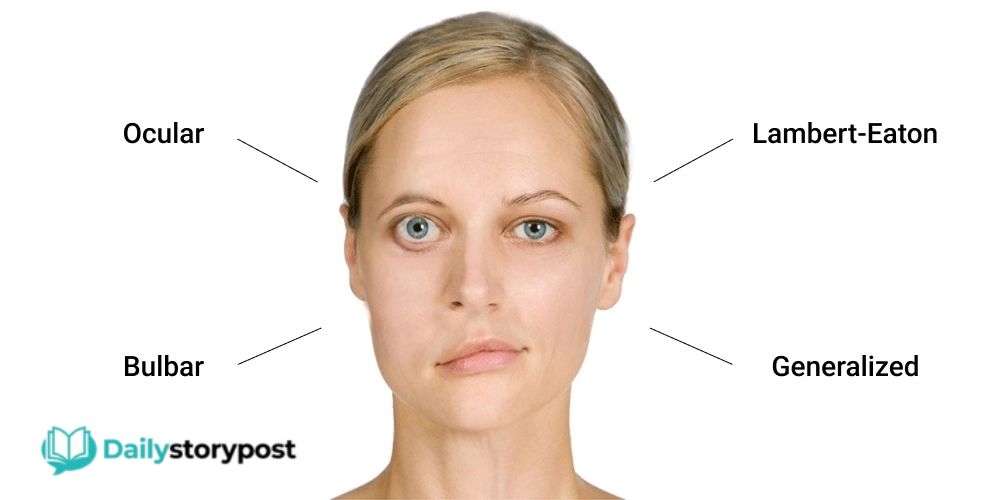
Ocular myasthenia gravis mainly affects the muscles responsible for eye movement and eyelid control. Drooping eyelids and double vision are typical features.
Generalized myasthenia gravis affects muscles beyond the eyes. It may involve the face, throat, neck, arms, legs, and muscles involved in breathing.
The condition can also be classified according to the antibodies detected in testing. For example, some people have acetylcholine receptor antibodies, while others have MuSK antibodies or other immune markers.
These differences matter because symptoms and responses to treatment can vary between individuals.
How Is Myasthenia Gravis Diagnosed?
Diagnosing myasthenia gravis usually begins with a detailed discussion of symptoms and a physical and neurological examination.
A healthcare professional may look for changes in muscle strength, eye movement, eyelid position, facial movement, speech, and other functions.
Because several other conditions can cause muscle weakness, doctors may use more than one test before reaching a diagnosis.
Blood Tests
Blood tests can look for antibodies associated with myasthenia gravis.
Acetylcholine receptor antibodies are commonly tested. MuSK antibodies may also be tested when appropriate.
A negative antibody test does not always rule out myasthenia gravis. Some people with the condition do not have detectable levels of the antibodies commonly tested.
Nerve and Muscle Tests
Electrodiagnostic testing can examine how effectively nerves communicate with muscles.
One test is repetitive nerve stimulation, in which electrical signals are repeatedly delivered to a nerve while muscle responses are measured.
Another test, called single-fiber electromyography, can provide detailed information about communication between nerves and individual muscle fibers.
These tests can be particularly useful when the diagnosis is uncertain.
Imaging Tests
Doctors may recommend chest imaging, such as a CT scan or MRI, to examine the thymus gland.
This can help identify abnormalities such as a thymoma and can provide information that may influence treatment decisions.
Breathing Tests
When there are concerns about respiratory muscle weakness, doctors may perform pulmonary function testing.
These tests help measure breathing strength and can be useful when assessing the risk of serious respiratory problems.
Treatment Options
Treatment for myasthenia gravis is individualized. Doctors consider the person’s symptoms, severity, age, overall health, antibody status, and response to previous treatments.
The main goals are to improve muscle strength, control the immune response, reduce flare-ups, and maintain daily functioning.
Medicines That Improve Muscle Communication
One commonly used medicine is pyridostigmine. It helps improve communication between nerves and muscles by slowing the breakdown of acetylcholine.
It can improve muscle strength in some people, but it does not remove the underlying autoimmune cause.
Doctors may also use corticosteroids and other immunosuppressive medicines to reduce the immune system’s harmful activity.
Because these medicines can have significant side effects, they require medical supervision.
Intravenous Immunoglobulin
Intravenous immunoglobulin, often called IVIG, can be used in certain situations when symptoms become significantly worse or when a rapid improvement is needed.
IVIG changes the activity of the immune system and can provide temporary improvement.
It may also be used around certain medical procedures or during serious flare-ups, depending on the patient’s circumstances.
Plasma Exchange
Plasma exchange, also called plasmapheresis, removes antibodies from the blood that contribute to impaired nerve-to-muscle communication.
It can produce relatively rapid improvement, although the effect is generally temporary.
Because the procedure involves specialized medical equipment and carries potential risks, it is performed under appropriate medical supervision.
Newer Targeted Treatments
Treatment options for myasthenia gravis have expanded in recent years.
Some newer therapies target specific parts of the immune system, including pathways involved in harmful antibodies or the complement system.
Examples include therapies targeting the neonatal Fc receptor and complement pathway. These treatments are not appropriate for everyone, and their use depends on factors such as disease type, severity, previous treatment, and medical history.
Thymectomy and the Thymus Gland
A thymectomy is surgery to remove the thymus gland.
If a person with myasthenia gravis has a thymoma, removing the tumor and thymus is generally an important part of treatment.
In selected people without a thymoma, thymectomy may also be considered because it can improve disease control in certain cases.
The decision is not automatic. A neurologist and surgical team consider factors such as age, disease characteristics, antibody status, symptoms, and overall health.
The potential benefits may also take time to appear, so thymectomy should be viewed as part of a longer-term treatment plan rather than an immediate solution for every patient.
What Can Make Symptoms Worse?
People with myasthenia gravis often learn that certain situations make their symptoms more noticeable.
Physical exhaustion can increase weakness because affected muscles may have difficulty sustaining repeated activity.
Infections can also trigger worsening symptoms. Fever and the body’s immune response may place additional stress on someone already dealing with an autoimmune condition.
Stress and poor sleep may make daily symptoms harder to manage, although individual experiences differ.
Heat can worsen weakness in some people.
Certain medicines can also aggravate myasthenia gravis. This is why people diagnosed with the condition should tell doctors, dentists, pharmacists, and other healthcare professionals about their diagnosis before starting new medicines.
No medication should be stopped or changed without professional advice.
Living With Myasthenia Gravis
Living with myasthenia gravis often involves learning how to manage energy rather than simply pushing through weakness.
Planning demanding activities during periods when strength is usually better can make daily routines easier.
Regular rest breaks may also help. Some people find that smaller meals are easier when chewing or swallowing is tiring.
Safety can become particularly important if leg weakness or vision problems are present. Simple changes around the home may reduce the risk of falls.
Regular medical follow-up is also important. Symptoms can change over time, and treatment may need to be adjusted.
Keeping a record of symptoms can be useful. For example, noting when weakness appears, what activities were involved, and whether rest improves the symptoms may help a healthcare professional understand the pattern.
Myasthenic Crisis
One of the most serious complications is myasthenic crisis.
This occurs when muscle weakness becomes severe enough to interfere with breathing. Weakness affecting the muscles used for swallowing can also create serious problems.
Warning signs may include rapidly worsening breathing difficulty, severe swallowing problems, choking, or an inability to manage normal secretions.
Severe or rapidly worsening breathing or swallowing difficulty requires urgent medical attention. A myasthenic crisis can require hospital treatment and respiratory support.
It is important not to assume that severe breathing difficulty is simply another episode of ordinary muscle weakness.
When Should You See a Doctor?
Persistent drooping eyelids, unexplained double vision, repeated choking, difficulty swallowing, unusual speech changes, or weakness that becomes worse with activity should be discussed with a healthcare professional.
These symptoms can have many possible causes, so they do not automatically mean someone has myasthenia gravis.
A doctor can review the symptoms, perform an examination, and decide whether neurological testing is appropriate.
Early evaluation can also help identify other conditions that may require different treatment.
Can Myasthenia Gravis Be Cured?
At present, there is no universal cure for myasthenia gravis.
However, this does not mean that the condition cannot be treated effectively. Medicines, immunotherapies, surgery in selected cases, and careful symptom management can help many people control their symptoms.
Some people experience periods when symptoms improve considerably or enter remission. The long-term course varies from person to person.
Because myasthenia gravis is a chronic condition, ongoing communication with a healthcare team can be an important part of maintaining good symptom control.
Frequently Asked Questions
Is myasthenia gravis contagious?
No. Myasthenia gravis is an autoimmune condition and is not an infection that spreads from one person to another.
What are the first symptoms of myasthenia gravis?
Common early symptoms include drooping eyelids and double vision. Some people initially develop problems with speaking, chewing, swallowing, or facial movement instead.
Can myasthenia gravis affect breathing?
Yes. In more serious cases, weakness can affect the muscles involved in breathing. Severe or rapidly worsening breathing difficulty requires emergency medical attention.
Can people with myasthenia gravis live normally?
Many people can maintain active and productive lives with appropriate treatment and symptom management. The condition varies considerably, so individual experiences and treatment needs are different.
Does rest improve myasthenia gravis weakness?
Weakness often improves after resting the affected muscles. This pattern of worsening with activity and improvement with rest is an important characteristic of the condition.
Final Thoughts
Myasthenia gravis is a complex autoimmune condition, but its basic mechanism can be understood fairly simply: the immune system interferes with communication between nerves and muscles, leading to weakness that can become more noticeable with repeated activity.
The symptoms may involve the eyes, face, throat, neck, arms, legs, and, in severe cases, the muscles used for breathing. Diagnosis can involve antibody testing, nerve and muscle studies, imaging, and breathing assessments.
Treatment has also developed significantly. Depending on the individual situation, doctors may use medicines that improve nerve-to-muscle communication, immune-directed treatments, IVIG, plasma exchange, newer targeted therapies, or thymectomy.
The most important point is that unexplained or persistent muscle weakness should not be ignored. Proper evaluation can help determine the cause and guide appropriate treatment. Anyone experiencing severe difficulty breathing or swallowing should seek urgent medical care.
FAQs
Frequently Asked Questions About Myasthenia Gravis
1. What is myasthenia gravis?
Myasthenia gravis is an autoimmune condition that causes weakness in voluntary muscles. It happens when the immune system disrupts communication between nerves and muscles.
2. What are the common symptoms of myasthenia gravis?
Common symptoms include drooping eyelids, double vision, difficulty chewing or swallowing, speech changes, and weakness in the arms, legs, or neck.
3. Can myasthenia gravis be treated?
Yes. Treatment can include medicines, immune therapies, IVIG, plasma exchange, and thymectomy in selected cases. Treatment depends on the person’s symptoms and medical situation.
4. Does myasthenia gravis get worse with activity?
Muscle weakness often becomes more noticeable after repeated use and may improve after rest. However, the pattern can vary between individuals.
5. Is myasthenia gravis a serious condition?
It can sometimes become serious, particularly when weakness affects swallowing or breathing. Severe breathing or swallowing difficulties require urgent medical attention.

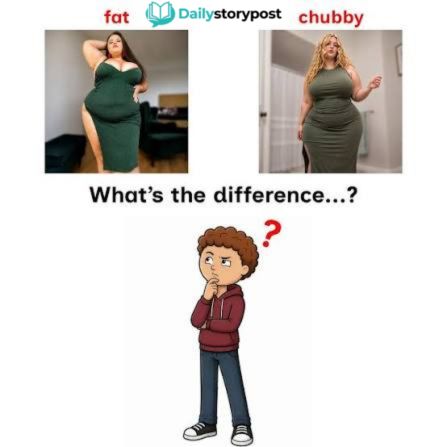
chubby vs fat Understanding thick vs fat vs chubby can be useful for English learners because these words may all relate to body size, but they do not communicate exactly the same idea. The difference is not only about physical description. Tone, context, culture, and the relationship between speakers can also affect how each word is understood.
Thick is often used informally to describe a fuller or curvier body shape. Fat is a direct word referring to having a larger amount of flesh or body fat and can be sensitive when used about a person. Chubby generally suggests a soft, rounded appearance and is especially common when describing children or features such as cheeks. Cambridge defines “chubby” as a pleasant or attractive form of being fat, particularly for children.
Because these words carry different associations, choosing the right one matters. A word that sounds positive in one conversation may feel uncomfortable or insulting in another.
Thick vs Fat vs Chubby: Quick Difference
Although thick, fat, and chubby can overlap, their usual meanings are different.
| Word | Main idea | Typical tone | Common use |
|---|---|---|---|
| Thick | Fuller or curvier body shape | Often positive or informal | Mostly adults |
| Fat | Larger amount of flesh or body fat | Direct and potentially sensitive | General description |
| Chubby | Soft, rounded, or plump appearance | Often gentle or affectionate | Children, cheeks, and casual descriptions |
The main distinction is that thick often emphasizes shape, while fat directly describes body size or flesh, and chubby emphasizes softness or roundness.
The word “fat” itself has a straightforward dictionary meaning. Cambridge defines the adjective as having a lot of flesh on the body, while “fat” as a noun can refer to the substance under the skin that stores energy and helps keep the body warm.
What Does Thick Mean?
The word thick has many meanings in English. It can describe something with a large distance between two sides, dense hair, a thick liquid, or heavy fog. Cambridge lists these general meanings, while informal usage has also developed a body-related meaning.
When used to describe a person’s body, thick often refers to a fuller, curvier, or more substantial shape. In informal modern English, it can suggest noticeable hips, thighs, or other rounded proportions.
The related slang spelling “thicc” became widely associated with a full-figured, curvy body shape. Dictionary.com describes it as an informal slang term and notes that its usage developed through Black slang and later spread more widely through popular and online culture.
What Can Thick Suggest?
Depending on context, someone described as thick may be imagined as having:
- Fuller thighs
- Wider hips
- A curvier shape
- A fuller figure
- A strong or substantial build
For example:
“She has a thick figure and an athletic build.”
The sentence focuses more on body shape than on a specific measurement of body fat.
Is Thick a Compliment?
In many informal conversations, thick can be intended positively, particularly when the speaker is talking about curves or a fuller figure. However, that does not mean everyone will interpret it as a compliment.
Dictionary.com notes that some people use “thick” as a body-positive term, while others may experience it as objectifying or overly focused on appearance.
That is why context matters. A close friend may use the word casually, while a stranger using the same word toward someone could make the conversation uncomfortable.
What Does Fat Mean?
Fat is the most direct of the three words when describing body size.
As an adjective, Cambridge defines it as having a lot of flesh on the body. As a noun, it can refer to body fat, the substance beneath the skin that stores energy and helps with insulation.
For example:
- “Body fat stores energy.”
- “The doctor discussed body-fat levels.”
- “The animal has a layer of fat.”
These examples show that fat can be a neutral scientific or descriptive term when the context is appropriate.
The difficulty comes when the word is directed at another person as a personal description.
Is Fat Always an Insult?
No. The word itself is not automatically an insult. However, calling someone “fat” can sound blunt or judgmental, depending on the situation.
Oxford Learner’s Dictionaries specifically notes that “fat” is a common and direct word for describing a person but that it is generally not considered polite to tell someone directly that they are fat. It also identifies alternatives such as “overweight” or “large” as less direct choices in some contexts.
The meaning and emotional effect can depend on:
- Who is speaking
- Who is being described
- The relationship between them
- The speaker’s intention
- The tone
- The surrounding conversation
For example, discussing body fat in a medical or scientific context is very different from using “fat” as an insult during an argument.
Fat in Medical and Scientific Language
In health, biology, and nutrition, fat has an established technical meaning. Body fat is a normal part of human biology and performs important functions, including energy storage and insulation.
Therefore, the word should not automatically be treated as offensive in every context. The important difference is between discussing a physical or biological concept and using the word as a judgment about another person.
What Does Chubby Mean?
Chubby generally describes someone or something that is pleasantly round, soft, or plump.
Cambridge particularly associates the word with children and examples such as chubby cheeks and chubby legs.
For example:
“The baby has chubby cheeks.”
This normally sounds affectionate rather than harsh.
The word can also describe animals or particular body features. However, when used for adults, reactions can vary because some adults may not appreciate being described in terms of their body size.
Why Does Chubby Sound Different From Fat?
The difference between chubby and fat is partly about tone.
“Chubby” tends to create an image of softness and roundness. “Fat” is more direct and focuses more clearly on body size or flesh.
Compare these examples:
- “The baby has chubby cheeks.” — affectionate
- “The puppy has chubby legs.” — gentle
- “He is fat.” — direct and potentially sensitive
- “The doctor measured body fat.” — technical or medical
Cambridge lists “chubby” alongside words such as “fat,” “overweight,” “obese,” and “plump,” showing that these terms can overlap in meaning while carrying different levels of tone and usage.
Thick vs Fat vs Chubby: Detailed Comparison
A side-by-side comparison makes the differences easier to understand.
| Feature | Thick | Fat | Chubby |
|---|---|---|---|
| Main focus | Body shape | Body size or flesh | Soft roundness |
| Typical context | Informal | General or technical | Casual and affectionate |
| Common for adults | Yes | Yes | Sometimes |
| Common for children | Less common | Possible but sensitive | Very common |
| Can be positive? | Often, depending on context | Depends heavily on context | Often, especially for children |
| Emotional sensitivity | Moderate | High in personal descriptions | Moderate |
| Related idea | Curvy/full-figured | Larger amount of flesh/body fat | Plump/rounded |
The table shows why these words should not be treated as perfect synonyms.
Thick vs Chubby: Are They the Same?
Thick and chubby are related, but they are not identical.
Someone described as thick is often being described in terms of body shape or proportions. The word may suggest curves or a fuller figure.
Someone described as chubby is more likely to be imagined as soft, rounded, or slightly plump.
For example, a person with prominent curves and a strong build might be called thick in informal speech. A small child with round cheeks might naturally be described as chubby.
There can be overlap, but the mental image created by each word is different.
Thick vs Fat: What Is the Main Difference?
The simplest distinction is:
Thick usually emphasizes shape.
Fat more directly emphasizes body size or flesh.
Two people can have similar body weights but completely different body shapes because body composition and the distribution of muscle and fat can vary.
This is one reason why “thick” and “fat” are not interchangeable in everyday conversation.
The informal body-related use of “thick” also has a cultural history. Dictionary.com notes that the term developed as slang associated with a fuller, curvier body type and later became more widely used online and in popular culture.
How Context Changes the Meaning
Words rarely work in isolation. The surrounding situation can completely change how a description sounds.
Consider these examples:
| Sentence | Likely context |
|---|---|
| “The baby has chubby cheeks.” | Affectionate |
| “She has a thick figure.” | Informal appearance description |
| “The doctor measured body fat.” | Medical or scientific |
| “He called someone fat during an argument.” | Potentially insulting |
| “She describes herself as fat.” | Personal identity or self-description |
The speaker’s intention is important, but it is not the only factor. The listener’s preferences and experiences also matter.
Common Mistakes When Using Thick, Fat, and Chubby
English learners sometimes choose these words based only on dictionary definitions. That can create awkward or unintended meanings.
Mistake 1: Assuming All Three Words Mean Exactly the Same Thing
They overlap, but their emphasis differs.
- Thick often focuses on shape.
- Fat directly describes body size or flesh.
- Chubby emphasizes a soft or rounded appearance.
Mistake 2: Using Body Descriptions Without Considering the Person
Not everyone wants their appearance discussed.
Even a word intended as a compliment may feel uncomfortable if the person does not want attention focused on their body.
Mistake 3: Assuming Everyone Likes the Word Thick
Some people use thick proudly, while others may dislike it or consider it too focused on their appearance.
Dictionary.com specifically notes that reactions to the term can differ, including interpretations involving objectification.
Mistake 4: Using Fat Too Casually
“Fat” has a legitimate descriptive and scientific meaning, but directly telling someone that they are fat can sound blunt.
When the purpose is respectful communication, it is often better to choose a more precise term.
Better Alternatives for Describing Body Types
Sometimes the best option is not to use any of these three words.
The appropriate alternative depends on what you are actually trying to communicate.
| Purpose | Possible wording |
|---|---|
| Describing curves | Curvy |
| Describing fitness | Athletic, strong, muscular |
| Describing general size | Larger, fuller |
| Medical discussion | Body fat, body composition |
| Discussing weight neutrally | Higher body weight |
| Describing a broad build | Broad, solidly built |
“Curvy,” for example, specifically refers to a body with rounded parts, particularly around the hips and breasts.
The key is to describe the feature that actually matters rather than using a broad label.
How Native Speakers Understand These Words
Native speakers usually interpret body-related words through context.
They may consider:
- Who is speaking
- Who is being described
- Why the word is being used
- Whether the conversation is formal or casual
- Whether the speaker and listener know each other
- The tone of voice
- The culture or community involved
For example, a friend saying “You look thick” may be interpreted differently from a stranger making the same comment.
Written communication can be even more complicated because there is no facial expression or tone of voice to clarify the intention.
Cultural Influence on Body-Related Words
Body terminology changes over time and across communities.
The modern use of thick is a good example. Dictionary.com describes its connection with Black slang, hip-hop culture, and later internet usage. The term has also become associated with changing ideas about fuller and curvier body types.
At the same time, different communities may interpret the same word differently.
A word that feels empowering to one person may feel objectifying to another. This is one reason there is no universal rule that says a particular body-related word is always positive or always negative.
Which Word Should English Learners Use?
If English is not your first language, a cautious approach can help.
Use “chubby” carefully
It is particularly common for children, babies, cheeks, hands, and similar features. Cambridge specifically highlights its use with children.
Use “thick” according to context
It is an informal term whose body-related meaning can suggest a fuller or curvier shape. It is not appropriate in every formal situation.
Be careful with “fat”
The word has a legitimate biological and descriptive meaning, but directly calling another person fat can sound insensitive.
Choose neutral language when unsure
Words such as fuller, curvy, athletic, larger, or broad may communicate the intended idea more precisely, depending on the situation.
The Importance of Respectful Language
Body descriptions are personal. Even when a word is technically accurate, it may not be the best choice for a particular conversation.
A useful principle is to think about purpose before vocabulary.
Ask yourself:
- What exactly am I trying to describe?
- Do I need to mention the person’s body at all?
- Is the conversation medical, educational, casual, or personal?
- Does the word fit the relationship and situation?
- Could a more precise and neutral word communicate the same idea?
This approach helps avoid unnecessary misunderstandings.
Frequently Asked Questions
What is the difference between thick, fat, and chubby?
Thick commonly describes a fuller or curvier body shape. Fat is a more direct description related to having more flesh or body fat. Chubby generally suggests a soft or rounded appearance and is especially common for children or features such as cheeks.
Is thick a positive word?
It can be. In informal modern usage, thick is often used positively to describe a fuller or curvier figure. However, not everyone likes the term, so context and personal preference matter.
Is calling someone chubby rude?
Not necessarily. “Chubby” is often used affectionately for children or features such as cheeks. However, an adult may not appreciate being described this way, so the situation and the person’s preference are important.
Can fat be used in a neutral way?
Yes. Fat is a normal biological term when discussing body fat, nutrition, or other scientific subjects. When directly describing another person, however, the word can sound blunt or judgmental.
What word should I use instead of thick, fat, or chubby?
It depends on what you mean. Curvy can describe body shape, athletic or muscular can describe physique, and body fat or body composition can be appropriate in a scientific or medical context. If you are unsure, a neutral and specific description is usually the safest choice.
Conclusion
Understanding thick vs fat vs chubby is about more than memorizing three definitions. Each word has its own emphasis, tone, and cultural associations.
Thick is often an informal description of a fuller or curvier body shape. Fat is a direct term for having more flesh or body fat and has both neutral scientific uses and potentially sensitive interpersonal uses. Chubby usually suggests a soft, rounded appearance and is particularly common for children and features such as cheeks.
The most important lesson is that context matters. A word can be neutral in one setting and uncomfortable in another. Choosing language carefully allows you to communicate more clearly while respecting the person you are describing.
FAQs
What is the difference between thick, fat, and chubby?
Thick usually describes a fuller or curvier body shape, fat directly refers to body size or body fat, while chubby suggests a soft and rounded appearance.
Is “thick” a positive word?
In many informal contexts, thick can be used positively to describe a fuller or curvier figure. However, how it is received depends on the person and the situation.
Is “chubby” rude?
Not necessarily. Chubby often sounds affectionate when describing children or features such as cheeks, but some adults may find the term uncomfortable.
Can “fat” be used in a neutral way?
Yes. Fat has neutral uses in medical, scientific, and nutritional contexts. When directly describing a person, however, it can sound blunt or judgmental.
Which word is safest to use?
If you are unsure, use a more specific and neutral term such as curvy, fuller, athletic, muscular, or larger, depending on what you actually want to describe.


 Celebrity4 months ago
How Tall Is Glen Powell? Height, Facts, and More
- Celebrity4 months ago
Fielder Jewett Age: Everything We Know About Him in 2026
- Technology4 months ago
How Simpcitt Is Changing the Way People Think Today
- Celebrity4 months ago
Who Is Meredith Schwarz? Key Facts You Should Know
- Food & Drink4 months ago
Where to Find the Best Piononos de Santa Fe Near Me Today
- Home Safety3 months ago
How KDArchitects Landscape Ideas by Morph Transform Outdoor Spaces
- Business4 months ago
How to Buy Milohacherry Coin Safely and Get Started Today
- Business4 months ago
How Driving Modes in Cadillac Lyriq Impact Range and Efficiency