
Uncategorized
Famous People A-Z

Activity Village has a large and growing resource of famous people resources for teachers and parents to use with their kids – from colouring pages to “learn to draw” tutorials! Children can learn about the famous people we cover with our short, child-friendly biographies, write about them, tackle a comprehension or have a go at some of our fun worksheets that are designed specifically to get your kids interested.
Here you can find a simple listing of all the famous people, ancient and modern, in first name order.
If you would prefer to browse by category or by type of activity, you can do that here.
BIO
| Label | Information |
|---|---|
| Topic | Famous People A-Z |
| Format | Alphabetical List |
| Main Focus | Famous People |
| Time Period | Ancient to Modern |
| Fields | History, Science, Sports, Arts |
| Included | Presidents and Leaders |
| Scientists | Einstein, Newton, Curie |
| Writers | Shakespeare, Austen, Dahl |
| Athletes | Messi, Serena Williams, Usain Bolt |
| Artists | Van Gogh, Andy Warhol |
| Explorers | Christopher Columbus, Edmund Hillary |
| Learning Use | Kids, Parents, Teachers |
Explore all our Famous People
Famous People are featured in first name order.
A
Abraham Lincoln – 16th President of the USA
Ada Lovelace – British mathematician and the first computer programmer
Agnes Baden-Powell – sister of Robert and founder of the Girl Guides
Albert Einstein – physicist and Nobel prize winner
Alexander the Great – powerful ruler of Ancient Greece
Alexander Fleming – scientist who discovered penicillin
Alexander Graham Bell – inventor of the telephone
Andrew Jackson – 7th President of the USA
Andrew Johnson – 17th President of the USA
Andy Murray – British tennis player, 2013 winner of Wimbledon
Andy Warhol – celebrity American artist, leader of the Pop Art movement
Anne – Queen of England from 1702 to 1714
Anne of Cleves – Fourth wife of Henry VIII
Anne Boleyn – Second (unfortunate) wife of Henry VIII
Anne Bonny – fierce pirate of the early 18th century
Anne Frank – famous for her WW2 diary from captivity
Aretha Franklin – multi-award winning American singer
Arthur Rostron – Captain of the Carpathia, rescuer of Titanic survivors
B
Barack Obama – 44th President of the USA
Beethoven – Brilliant pianist and classical composer
Benjamin Franklin – statesman, politician, writer, scientist and inventor
Benjamin Harrison – 23rd President of the USA
Bessie Coleman – Sensational stunt pilot from the 1920s
Bill Clinton – 42nd President of the USA
Blackbeard – Notorious pirate of the Caribbean
Bonnie Prince Charlie – pretender to the British throne
Boudicca – brave Celtic queen who rebelled against the Romans
Bruce Ismay – Chairman of the White Star Line, owners of the Titanic
C
Calvin Coolidge – 30th President of the USA
Camilla, Duchess of Cornwall – wife of Prince Charles
Captain Cook – 18th Century explorer and navigator
Captain Tom – veteran fundraiser and British hero
Carl Lewis – American athlete and 10-times Olympic medal winner
Catherine, Duchess of Cambride – wife of Prince William
Catherine of Aragon – Spanish first wife of King Henry VIII, divorced
Catherine Howard – Fifth wife of King Henry VIII, beheaded
Catherine Parr – Sixth and last wife of King Henry VIII, she survived him!
Cathy Freeman – Australian athlete and Olympic gold medal winner
Charles I – Stuart King of England from 1625 to 1649. Lost his head!
Charles II – Stuart King of England from 1660 to 1685
Prince Charles, Prince of Wales – heir to the British throne
Charles Darwin – naturalist who developed theory of natural selection
Charles Dickens – Prolific and beloved British author
Charlotte Brontë – 19th Century novelist, author of Jane Eyre
Chester Arthur – 21st President of the USA
Chris Hoy – Most successful Olympic cyclist of all time
Cristiano Ronaldo – Captain of Portugal football team, forward at Real Madrid
Christopher Columbus – Famous 15th Century explorer
Cleopatra – Famous and beautiful Egyptian queen

D
Daley Thompson – British decathlete and winner of Olympic medals
David Attenborough – British naturalist and television personality
David Beckham – English footballing hero
Diana, Princess of Wales – Mother of Prince William and Prince Harry
Donald Trump – 45th President of the United States
Dhyan Chand – Indian field hockey player and Olympic team captain
Dwight D Eisenhower – 34th President of the USA
E
Edmund Hillary – Explorer, climber and first man to climb Mount Everest
Edward I – King of England (1272-1307)
Edward II – King of England (1307-1327) Not a good king!
Edward III – King of England (1327-1377) during the Black Death
Edward IV – King of England (1461-1470 and 1471-1483)
Edward V – King of England (1483), one of the Princes in the Tower
Edward VI – King of England (1547-1553), son of Henry VIII
Edward VII – King of England (1901-1910)
Edward VIII – King of England (1936), abdicated
Edward Smith – Captain of the Titanic
Elizabeth I – Great Tudor Queen of England, from 1558 to 1603
Elizabeth II – Queen of Great Britain, came to the throne in 1952
Elizabeth Bowes-Lyon – the Queen Mother
Emil Zatopek – Czechoslovakian long distance runner, 1952 Olympics
Emily Brontë – 19th Century novelist, author of Wuthering Heights
Emmeline Pankhurst – British suffragette and campaigner for women’s rights
Enid Blyton – beloved children’s author, published worldwide
Eusébio – remarkable Portuguese football player
F
Fanny Blankers-Koen – “The flying housewife”, Dutch Olympic heroine
Sir Francis Drake – Tudor sea captain and privateer
Florence Nightingale – Pioneering Victorian nurse
Franklin Pierce – 21st President of the USA
Franklin D Roosevelt – 32nd President of the USA
Frederick Douglass – ex-slave who campaigned for equal rights
G
Galileo Galilei – Brilliant Italian scientist, mathematician and astronomer
George I – King of England (1714-1727)
George II – King of England (1727-1760)
George III – King of England (1760-1820) (“Mad King George”, “Farmer George”)
George IV – King of England (1820-1830)
George V – King of England (1820-1837)
George VI – King of England (1936-1952), Queen Elizabeth’s father
George Bush – 41st President of the USA
George W Bush – 43rd President of the USA
George Eliot – Well-loved 19th Century English female author
George Washington – 1st President of the USA
George Washington Carver – Prominent black scientist of the early 20C
Gerald Ford – 38th President of the USA
Grover Cleveland – 22nd and 24th President of the USA
Guy Fawkes – infamous 17th Century traitor and Gunpowder Plotter
H
Haile Gebrselassie – Inspirational long-distance runner from Ethiopia
Harriet Tubman – brave conductor on the Underground Railroad
Harry Styles – member of the famous boy band One Direction
Harry Truman – 33rd President of the USA
Prince Harry – Younger son of the Prince of Wales
Helen Keller – American author, activist and lecturer, blind and deaf
Henry I – King of England, 1100-1135 died of food poisoning
Henry II – King of England, 1154-1189, first Plantagenet King
Henry III – King of England, 1216-1272 when Parliament was first called
Henry IV – King of England, 1399-1413, deposed his cousin Richard II
Henry V – warrior King of England, 1413-1422
Henry VI – King of England, 1422-1461, and again 1470-1471
Henry VII – brave, strong and wealthy King of England, 1485-1509
Henry VIII – extravagant King of England, 1509-1547, with six wives!
Herbert Hoover – 31st President of the USA
I
Ian Thorpe – Australian swimmer, nicknamed ‘the Thorpedo’
Isaac Newton – English scientist most famous for gravity
Isabella Bird – Intrepid Victorian explorer and travel writer
J
J K Rowling – author of the Harry Potter books
J M Barrie – creator of Peter Pan, the Boy Who Wouldn’t Grow Up
Jackie Joyner-Kersee – Record-breaking, medal-winning US heptathlete
James I – King of Scotland 1567-1625 and King of England 1603-1625
James II – King of England from 1685 to 1688 (also James VII of Scotland)
James Buchanan – 15th President of the USA
Captain James Cook – 18th Century explorer and navigator
James Garfield – 20th President of the USA
James Madison – 4th President of the USA
James Monroe – 5th President of the USA
James Polk – 11th President of the USA
Jane Austen – beloved English novelist of the Georgian era
Jane Goodall – British conservationist and chimpanzee expert
Lady Jane Grey – the ‘Nine Day Queen’
Jane Seymour – third and favourite wife of Henry VIII
Jenny Jones – winner of GB’s first ever snow medal at Sochi 2014
Jesse Owens – hero and most successful athlete at the 1936 Olympics
Jimmy Carter – 39th President of the USA
Joan of Arc – patron saint of France and of soldiers
Joe Biden – 46th President of the USA
John – King of England from 1199 to 1216
John Adams – 2nd President of the USA
John F Kennedy – 35th President of the USA
John Quincy Adams – 6th President of the USA
John Tyler – 10th President of the USA
Julia Donaldson – Beloved children’s author of The Gruffalo
K
Kelly Holmes – winner of 2 gold medals in Olympics 2004
L
Lasse Viren – winner of 4 gold medals for Finland in the 1970s
Leonardi da Vinci – Italian artist and inventor of the 16th Century
Lewis Carroll – author of the Alice in Wonderland stories
Liam Payne – member of the famous boy band One Direction
Lionel Messi – footballer who plays for Argentina and FC Barcelona
Louis Tomlinson – member of the popular boy band One Direction
Louisa May Alcott – American author of “Little Women”
Ludwig van Beethoven – Brilliant pianist and classical composer
Lyndon B Johnson – 36th President of the USA
M
Mae Jemison – First black woman to travel into space
Mahatma Gandhi – leader of the Indian independence movement
Maria Sibylla Merian – German naturalist and illustrator famous for work on metamorphosis
Marie Curie – Polish scientist famous for work on radioactivity
Mark Antony – Roman general best known for his relationship with Cleopatra
Mark Spitz – won an incredible 7 gold medals in 1972 Olympic swimming
Mark Twain – American author of Tom Sawyer and Huckleberry Finn
Martin Luther King – a leader of the Civil Rights movement in the 1960’s
Martin Van Buren – 8th President of the USA
Mary I – eldest daughter of Henry VIII and Queen of England, 1553-1558
Mary II – Queen of England 1688-94, joint ruler with her husband William
Mary Anning – English fossil hunter, collector and paleontologist
Mary Berry – beloved cook and star of The Great British Bake Off!
Mary Queen of Scots – unhappy Queen of Scotland and mother of James I of England
Mary Seacole – Victorian heroine of the Crimean war
Matilda – Empress Matilda ruled England briefly in 1141, never crowned
Meghan Markle – American actress and humanitarian, fiancée of Prince Harry
Michael Johnson – 4-times Olympic gold winner, record-beating sprinter
Michael Phelps – Winner of 14 Olympic gold medals in swimming!
Millard Fillmore – 13th President of the USA
Millicent Fawcett – Determined British suffragist and campaigner
Molly Brown – brave lady and survivor of the sinking of the Titanic
Mother Teresa – Saint Teresa of Calcutta, missionary
Mozart – Child musical prodigy and prolific classical composer
Muhammad Ali – champion heavyweight boxer with character!
N
Nadia Comaneci – first female gymnast to score an Olympic perfect 10
Ned Kelly – infamous Australian bushranger
Neil Armstrong – first man to walk on the moon
Nelson Mandela – South Africa’s first black President
Niall Horan – member of the popular boy band One Direction
O
Olave Baden-Powell – wife of Robert Baden-Powell and Chief Guide for many years
Olga Korbut – star of the gymnastic arena in the 1972 Olympic Games
Orville Wright – took the first flight in a powered aeroplane
P
Pelé – Remarkable Brazilian football hero and humanitarian
Prince Harry – Younger son of the Prince of Wales
Prince Philip, Duke of Edinburgh – consort to Elizabeth II
Prince William, Duke of Cambridge – second in line to the British throne
Princess Diana – Mother of Prince William and Prince Harry
Pierre de Coubertin – founder of the modern Olympic Games
Pope Francis – current Pope aka Papa Francisco and Papa Francesco
R
Richard I – King of England from 1189 to 1199
Richard II – King of England from 1377 to 1399
Richard III – King of England from 1483 to 1485
Richard Nixon – 37th President of the USA
Rihanna – world famous pop singer
Roald Dahl – author of many well-loved children’s books
Rob Roy – Scottish folk hero and outlaw
Robert Baden-Powell – founder of the Scouting movement and Chief Scout
Robert Burns – most famous Scottish poet
Roger Federer – Swiss tennis player, number 1 for many years
Ronald Reagan – 40th President of the USA
Rosa Parks – African American civil rights activist
Rutherford B Hayes – 19th President of the USA
S
Sadako Sasaki – little Japanese girl who inspired peace
Saint Andrew – Jesus’ disciple and patron saint of Scotland
Saint David – patron saint of Wales
Saint George – Brave Roman soldier and patron saint of England
Saint Patrick – patron saint of Ireland
Samuel Pepys – famous 17th English diarist
Sebastian Coe – athlete, MP and Chairman of London 2012
Serena Williams – one of the world’s greatest female tennis players
Stephen – King of England from 1135 to 54
Stephen Hawking – Brilliant scientist, author of “A Brief History of Time”
Steve Irwin – well loved Aussie “Croc Hunter” and Wildlife Warrior
Steve Redgrave – Champion in rowing in 5 Olympic Games!
T
Tanni Grey Thompson – 11 times Paralympic gold medal winner
Taylor Swift – award winning American singer and songwriter
Theodore Roosevelt – 26th President of the USA
Thomas Jefferson – 3rd President of the USA
Tiger Woods – one of the greatest golf players of all time
Tim Peake – first British astronaut to do a spacewalk
U
Ulysses Grant – 18th President of the USA
Usain Bolt – Jamaican sprinter who wowed at 2008 and 2012 Olympics
V
Vichai Srivaddhanaprabha – Thai owner of Leicester City Football Club
Victoria – Queen of England from 1830 to 1901, the “Victorian Age”
Vincent van Gogh – Dutch Post-Impressionist painter
W
Wallace Hartley – brave bandleader on the Titanic
Walter Raleigh – swashbuckling hero of the Tudor age
Warren Harding – 29th President of the USA
Wilbur Wright – pioneer of flight with brother Orville
William I – also known as William the Conqueror, King 1066-87
William II – King of England from 1087 to 1100
William III – King of England from 1688-1702, joint ruler with Mary
William IV – King of England from 1830-1837
Prince William, Duke of Cambridge – second in line to the British throne
William Harrison – 9th President of the USA
William McKinley – 25th President of the USA
William Taft – 27th President of the USA
William Shakespeare – 16C English poet and playwright
William Wallace – fierce leader of the Scots, Braveheart of movie fame
William Wordsworth – 19th century English poet
Winston Churchill – British prime minister during World War II and afterwards
Wolfgang Amadeus Mozart – Child musical prodigy and prolific classical composer
Woodrow Wilson – 28th President of the USA
Wright brothers – pioneers of flight
Z
Zachary Taylor – 12th President of the USA
Zayn Malik – member of the popular boy band One Direction
Frequently Asked Questions
1. What is the Famous People A-Z list?
It is an alphabetical collection of well-known people from history, science, sports, politics, literature, and other fields.
2. Who can use Famous People resources?
Teachers, parents, and children can use these resources for learning about important people in a simple and engaging way.
3. What types of famous people are included?
The list includes presidents, scientists, writers, athletes, explorers, artists, inventors, royalty, and other historical figures.
4. Are both historical and modern famous people included?
Yes, the collection features people from ancient history as well as well-known modern personalities.
5. How can children learn from Famous People A-Z?
Children can explore short biographies, educational activities, worksheets, comprehension
Texting has changed the way people communicate. Instead of writing complete sentences, people often use short abbreviations to keep conversations quick and natural. One abbreviation that can leave people wondering is WYO.
If you have received a message such as “WYO?”, you may have wondered what the person was trying to say. In most casual texting and social media conversations, WYO means “What You On?” It is generally used to ask what someone is doing, what they are up to, what their plans are, or whether they are available.
The meaning is usually simple, but the exact intention can depend on the conversation. A friend might use WYO to ask about your evening plans, while another person may simply be starting a conversation. Understanding the context makes the abbreviation much easier to interpret.
BIO
| Label | Information |
|---|---|
| Term | WYO |
| Main Meaning | What You On? |
| Type | Texting slang |
| Used For | Casual conversations |
| Common Context | Text messages and chats |
| Social Media | Common in DMs and posts |
| Main Purpose | Asking what someone is doing |
| Can Refer To | Activities, plans, or availability |
| Similar Term | WYD |
| Tone | Casual and informal |
| Formal Use | Not recommended |
| Common Reply | “Just relaxing, you?” |
What Does WYO Mean in Text?
The most common WYO meaning in text is “What You On?”
In natural everyday English, this can be understood as:
- What are you doing?
- What are you up to?
- What are your plans?
- Are you free?
- What is going on with you?
The phrase is informal, so it is mainly used in casual digital conversations rather than formal writing.
For example, if a friend sends:
“WYO?”
They may simply be asking:
“What are you up to?”
If someone sends:
“WYO tonight?”
They are probably asking about your plans for the evening or whether you are available.
This is why WYO does not always translate into one exact sentence. Its meaning can shift slightly according to the situation and the words surrounding it.
What Does “What You On?” Mean?
At first, “What You On?” may sound unusual to someone who is more familiar with standard English. In formal English, a person would normally say “What are you doing?” or “What are you up to?”
In casual speech and texting, however, words are often shortened or left out. WYO is simply a compact way of asking about someone’s current activity, plans, or intentions.
The question can be quite open-ended.
For example, someone might ask:
“WYO after work?”
This could mean:
“What are you doing after work?”
They may be trying to find out whether you already have plans. Depending on the relationship, they could also be considering inviting you somewhere.
Similarly:
“WYO this weekend?”
usually asks about your weekend plans.
So, the important thing to understand is that WYO is usually about what someone is doing or planning, rather than the literal meaning of the individual words.
How Is WYO Used in Text Messages?
WYO is useful because it allows someone to start a conversation with only three letters. Instead of typing a longer question, the sender can simply write “WYO?”
There are several common situations where it may appear.
Checking What Someone Is Doing
A friend may want to know what you are doing at the moment.
Example:
Friend: WYO?
You: Just watching a movie. You?
Here, WYO is simply asking about your current activity.
Asking About Plans
WYO can also be used when someone wants to know what you have planned.
Example:
“WYO tomorrow?”
This could mean:
“What are your plans tomorrow?”
The question leaves the conversation open and gives the other person an opportunity to explain their plans.
Making Casual Plans
Sometimes WYO is the first step toward making plans.
For example:
“WYO tonight?”
If the person replies:
“Nothing much. Why?”
the sender may then suggest meeting for dinner, going out, watching a movie, or simply hanging out.
In this situation, WYO is not necessarily a direct invitation. It can be a casual way to find out whether someone is available first.
Starting a Conversation
WYO can also work as a simple conversation starter.
Someone you have not spoken to for a while might send:
“Hey, WYO?”
They may not have a specific question in mind. They could simply be checking in and looking for a natural way to start talking.
WYO Meaning on Social Media
The WYO meaning in text generally remains the same when the abbreviation appears on social media.
You may see it in private messages, group chats, story replies, comments, or other casual online conversations. Current slang references commonly describe WYO as informal shorthand for asking what someone is doing, planning, or interested in doing.
For example, a person might reply to a friend’s story with:
“WYO?”
In that situation, they may be asking what the friend is doing or whether they have plans.
A message such as:
“WYO later?”
is more specifically asking about the person’s availability later.
The platform itself does not necessarily change the definition. The surrounding conversation is more important than whether the message appears in a text, DM, or social media chat.
Common WYO Examples
The easiest way to understand WYO is to look at how it works in real-looking conversations.
Example 1: Simple Check-In
Alex: WYO?
Sam: Just relaxing at home. You?
Here, WYO means “What are you up to?”
Example 2: Evening Plans
Alex: WYO tonight?
Sam: Nothing planned yet.
The sender is asking about Sam’s plans for the evening.
Example 3: Weekend Plans
Alex: WYO this weekend?
Sam: I might go out Saturday.
In this case, WYO is asking about upcoming plans.
Example 4: Possible Hangout
Alex: WYO after work?
Sam: I’m free. What’s up?
The first person may be checking whether Sam is available before suggesting something.
Example 5: Casual Conversation
Alex: Hey, WYO?
Sam: Just studying for tomorrow’s exam.
Here, the abbreviation simply opens the conversation.
These examples show why context matters. The same three letters can ask about what someone is doing right now, what they are planning later, or whether they are free.
WYO vs. WYD
One of the easiest abbreviations to confuse with WYO is WYD.
WYD generally stands for “What You Doing?” and is commonly used as a shortened way of asking “What are you doing?”
WYO is also used to ask about someone’s activity, but it can feel broader because it may refer to plans or availability.
Consider these examples:
WYD right now?
This is generally focused on what the person is doing at that moment.
WYO tonight?
This is more likely to ask about the person’s plans or availability for the evening.
The distinction is not an absolute rule. People use texting slang casually, and different individuals may use the abbreviations somewhat differently. Still, this comparison can help explain why both terms appear in similar conversations.
WYO vs. WYA
Another common texting abbreviation is WYA, which generally means “Where You At?”
The difference is straightforward:
WYO = What You On?
WYA = Where You At?
For example:
“WYO?” may ask what you are doing.
“WYA?” may ask where you are.
Someone could even use both during the same conversation:
“WYA? WYO?”
This could mean:
“Where are you, and what are you doing?”
Because texting abbreviations are highly dependent on context, the surrounding messages usually make the intended meaning clear.
WYO vs. HMU
HMU is another common abbreviation, but it serves a different purpose.
HMU generally means “Hit Me Up.” It is used to tell someone to contact you or get in touch.
For example:
“HMU when you’re free.”
This means:
“Contact me when you’re free.”
WYO, on the other hand, is a question:
“WYO?”
The sender is asking what you are doing or what you have planned.
These two abbreviations can appear together naturally:
“WYO tonight? HMU if you’re free.”
The first part asks about your plans, while the second encourages you to get in touch.
When Should You Use WYO?
WYO works best in casual conversations.
It can be appropriate when messaging:
- Friends
- Family members you regularly text
- Classmates
- People you know socially
- Online friends
- Casual social media contacts
The main thing to remember is tone. WYO is informal slang, so it is generally not suitable for professional emails, job applications, business letters, or other formal communication.
Instead of writing:
“WYO about the meeting?”
in a professional setting, it would be clearer to write:
“What are your thoughts about the meeting?”
Using complete language in formal situations avoids confusion and keeps the message professional.
How to Respond When Someone Says WYO
There is no single correct response to WYO. Your answer depends on what you are doing and what kind of conversation you want to have.
If you are relaxing, you could say:
“Just relaxing at home. You?”
If you are busy:
“I’m working right now. What’s up?”
If you are free:
“Nothing much. I’m free tonight.”
If you already have plans:
“I’m going out with some friends later.”
If you think the person may want to make plans:
“Not much. Were you thinking of doing something?”
A simple reply followed by “you?” is often enough to keep the conversation going.
For example:
“Just watching TV. You?”
This answers the question and returns it to the other person.
Can WYO Sound Flirty?
WYO itself is not automatically a romantic or flirty expression. It is simply casual slang.
However, the meaning or tone can change depending on who sends it, when they send it, and what the conversation has been like.
For example:
“WYO?”
from a close friend may simply mean they want to chat.
But:
“WYO tonight? 👀”
from someone who has been flirting with you may have a different tone.
The abbreviation itself does not prove romantic interest. The surrounding conversation provides the important context.
This is a good example of why it is better not to interpret a short slang message in isolation.
Can WYO Have Other Meanings?
Yes. Like many abbreviations, WYO can have different meanings outside casual texting.
One important example is Wyoming, a U.S. state whose postal abbreviation is WY, while “Wyo.” has also been used as an abbreviation for the state’s name in geographic and written contexts. Some slang references specifically note that context is necessary to distinguish this usage from texting slang.
For example:
“WYO tonight?”
is clearly likely to be texting slang.
But a phrase such as:
“Cheyenne, Wyo.”
is referring to Wyoming.
This is why abbreviations should always be interpreted according to the words around them.
In a normal personal text, WYO is most likely to mean “What You On?” In a geographic or formal context, another interpretation may be intended.
Common Mistakes With WYO
Although WYO is easy to understand once you know it, there are a few mistakes worth avoiding.
Using It in Formal Communication
WYO is informal. It is not a replacement for professional wording.
A work email should not normally begin with:
“WYO about this project?”
A clearer professional question would be:
“What are your thoughts about this project?”
Assuming It Always Means “What Are You Doing?”
WYO can ask about current activity, but it can also refer to future plans or availability.
For example:
“WYO Saturday?”
is probably about Saturday plans rather than what someone is doing at that exact moment.
Taking the Tone Too Seriously
A message containing only “WYO?” can look blunt because it is so short. However, that does not necessarily mean the sender is being rude.
Texting often removes greetings, punctuation, and complete sentences. The relationship between the people involved is usually a better indicator of tone.
Confusing WYO With WYD
WYO and WYD can have similar meanings, but they are not identical abbreviations.
If someone says “WYO this weekend?”, they are probably asking about plans.
If they say “WYD rn?”, they are more directly asking what you are doing right now.
Again, the exact interpretation depends on context.
Why Short Texting Abbreviations Are Popular
The popularity of abbreviations such as WYO is closely connected with the way people communicate online.
Messaging is usually fast and informal. People often want to express a thought without typing every word in a complete sentence.
A three-letter abbreviation can communicate an idea that might otherwise require several words.
For example:
“WYO?”
is much shorter than:
“What are you doing right now?”
In a fast-moving chat, that difference can make the conversation feel more natural.
Social media has also encouraged short forms of communication. Messages, comments, captions, and direct messages often favor quick expressions that are easy to type and understand.
Still, not every abbreviation is understood by everyone. Someone who is unfamiliar with texting slang may need the phrase explained, which is why context remains important.
Is WYO Appropriate for Everyone?
WYO is best treated as casual internet and texting slang.
If you are speaking with someone who regularly uses abbreviations, it will probably feel natural. With someone who prefers traditional or formal communication, writing the complete question may be better.
For example, these are all more formal alternatives:
- What are you doing?
- What are you up to?
- What are your plans?
- Are you available?
- What do you have planned?
There is nothing wrong with using WYO in the right setting. The key is matching your language to the person and situation.
Frequently Asked Questions
What does WYO mean in text?
WYO usually means “What You On?” in casual texting. It is commonly used to ask what someone is doing, what they are up to, or what plans they have.
What does WYO mean on Snapchat?
On Snapchat and other social platforms, WYO generally has the same meaning: “What You On?” It can be a casual way to ask what someone is doing or whether they are available.
Is WYO the same as WYD?
Not exactly. WYD means “What You Doing?”, while WYO means “What You On?” Both can ask about someone’s activity, but WYO can also be used more broadly when asking about plans or availability.
How do you respond to WYO?
You can simply tell the person what you are doing. For example, “Just relaxing, you?” or “Nothing planned tonight. What’s up?” A short answer is usually enough.
Is WYO formal or informal?
WYO is informal texting slang. It is suitable for casual conversations but generally not appropriate for professional emails, formal documents, or business communication.
Can WYO mean something other than “What You On?”
Yes. The meaning depends on context. In geographic references, “Wyo.” can refer to Wyoming, while in casual texting WYO most commonly means “What You On?”
Conclusion
Understanding the WYO meaning in text is fairly simple once you know the context. In most casual messages, WYO means “What You On?” and is used to ask what someone is doing, what they are up to, what their plans are, or whether they are available.
You may see it in ordinary text messages, group chats, and social media conversations. A message such as “WYO tonight?” usually has a simple meaning: the sender wants to know what you have planned for the evening.
WYO is similar to other texting abbreviations such as WYD and WYA, but each one has its own purpose. The best way to understand the intended meaning is to look at the conversation, timing, relationship, and surrounding words.
Most importantly, remember that WYO is casual slang. It works naturally with friends and informal contacts, while complete sentences are usually a better choice for professional or formal communication.
Frequently Asked Questions
1. What does WYO mean in text?
WYO usually means “What You On?” and is used to ask what someone is doing, planning, or up to.
2. What does WYO mean on social media?
On social media, WYO generally has the same meaning and is commonly used in casual messages and conversations.
3. Is WYO the same as WYD?
They are similar but not exactly the same. WYD means “What You Doing?”, while WYO usually means “What You On?”
4. How should I reply to “WYO?”
You can simply describe what you are doing, such as “Just relaxing, you?” or “I’m free tonight. What’s up?”
5. Is WYO formal or informal?
WYO is informal texting slang and is better suited to casual conversations than professional or formal communication.

Dubai has become a major business and technology hub, where companies depend heavily on fast, stable, and secure communication networks. From small offices to large commercial buildings, a reliable network infrastructure is essential for daily operations.
One of the most important parts of this infrastructure is structured cabling. A properly planned cabling system helps businesses connect computers, phones, servers, security systems, access points, and other network devices through an organized and scalable setup.
This guide explains structured cabling services in Dubai, their major benefits, key components, LAN cabling, and the factors businesses should consider when planning a professional network installation.
BIO
| Label | Information |
|---|---|
| Service | Structured Cabling Services |
| Location | Dubai, UAE |
| Main Purpose | Reliable Network Infrastructure |
| Network Type | LAN and Structured Cabling |
| Cabling Options | Copper and Fiber Optic |
| Key Benefit | Better Network Organization |
| Scalability | Supports Business Growth |
| Performance | Reliable Data Connectivity |
| Installation | Professional Cable Installation |
| Components | Patch Panels, Racks, Cables |
| Maintenance | Testing and Regular Inspection |
| Applications | Offices and Commercial Buildings |
What Are Structured Cabling Services?
Structured cabling is a standardized approach to designing and installing the physical cabling infrastructure of a building or business.
Instead of installing separate cables whenever a new device is added, a structured system creates an organized network that can support multiple technologies. It can be designed to handle computers, telephones, wireless access points, security cameras, servers, and other communication equipment.
A professional structured cabling system generally includes cabling, patch panels, network racks, telecommunications rooms, outlets, and other connectivity components.
The main goal is to create a network that is organized, reliable, easy to manage, and capable of supporting future requirements.

Why Businesses in Dubai Need Structured Cabling
Modern businesses generate and transfer large amounts of data every day. Employees may use cloud applications, video conferencing, VoIP phones, online systems, file-sharing platforms, and other digital services simultaneously.
Poorly installed or disorganized cabling can create connectivity problems, make troubleshooting difficult, and increase maintenance costs.
A professionally designed cabling infrastructure provides a strong physical foundation for the network. It also makes future upgrades easier because additional equipment can often be connected without completely rebuilding the existing system.
Benefits of Structured Cabling Services in Dubai
1. Better Network Organization

A structured cabling system keeps network cables properly arranged and labeled. This reduces cable clutter and makes it easier for technicians to identify individual connections.
An organized installation is particularly useful in offices with multiple departments, workstations, servers, and network devices.
2. Easy Scalability
Businesses often expand their teams, offices, and technology systems. A structured network can be designed with future growth in mind.
When additional workstations or devices are required, technicians can use the existing infrastructure or expand it in a planned way rather than creating a completely separate cabling system.
3. Improved Network Performance
The quality and design of physical cabling can have a direct effect on network performance. Properly installed cables help provide reliable communication between network devices.
Depending on the business requirements, different types of copper and fiber-optic cabling can be used to support appropriate bandwidth and transmission distances.
4. Easier Troubleshooting
When cables are properly labeled, routed, and documented, network technicians can locate problems more efficiently.
This can reduce the time required to identify damaged cables, incorrect connections, or other physical network issues.
5. Reduced Maintenance Problems
A professionally installed cabling system can make routine maintenance easier. Proper cable management also reduces the chances of accidental disconnections and unnecessary physical damage.
Over time, this can help businesses maintain a more dependable network environment.
6. Professional Workspace
Excessive and poorly arranged cables can make an office look untidy. Structured cabling provides a cleaner installation by organizing cables through racks, pathways, patch panels, and other management systems.
A clean infrastructure also makes future maintenance work more convenient.
Key Components of a Structured Cabling System
A structured cabling installation consists of several important components. Each part has a specific role in keeping the network organized.
Horizontal Cabling
Horizontal cabling connects individual work areas to a telecommunications room or distribution point. It is commonly used to connect computers, printers, phones, wireless access points, and other devices.
Backbone Cabling
Backbone cabling connects different telecommunications rooms, floors, or areas within a building. Fiber-optic cables are often considered for backbone applications where longer distances and higher bandwidth are required.
Patch Panels
Patch panels provide an organized point for connecting and managing network cables. They make it easier to identify connections and modify the network when required.
Network Racks
Network racks provide a secure and organized location for switches, patch panels, servers, routers, and other equipment.
Proper rack organization can improve airflow, cable management, and accessibility.
Telecommunications Rooms
Telecommunications rooms act as central locations for network equipment and cable connections. Their design and organization are important for maintaining a reliable infrastructure.
What Are LAN Cabling Services in Dubai?
LAN stands for Local Area Network. LAN cabling connects computers, printers, servers, switches, access points, and other devices within a limited area such as an office, building, school, warehouse, or commercial facility.
LAN cabling is an important part of modern business infrastructure because many daily activities depend on communication between local network devices.
A properly planned LAN can support file sharing, internal applications, internet access, VoIP communication, cloud services, printing, and other business operations.
Benefits of Professional LAN Cabling
High-Speed Data Transfer
Modern offices require fast communication between devices. Properly selected and installed LAN cabling can support the data requirements of business applications and network equipment.
Reliable Connectivity
A professional installation helps reduce common physical connectivity problems caused by poor cable routing, damaged cables, loose connections, or incorrect termination.
Better Network Management
A structured LAN makes it easier for IT teams to monitor, maintain, and troubleshoot network connections.
Clear labeling and documentation can be especially useful when an office has many users and network devices.
Support for Business Growth
A scalable LAN infrastructure allows businesses to add new users and devices more easily as their requirements change.
Copper vs. Fiber-Optic Cabling
Businesses may use different cabling technologies depending on their network requirements.
Copper Cabling
Copper Ethernet cabling is commonly used for connecting workstations, printers, phones, access points, and other network devices.
It is suitable for many office environments and is available in different categories designed to support different network speeds and specifications.
Fiber-Optic Cabling
Fiber-optic cabling uses light to transmit data and is designed for high-bandwidth and longer-distance connections.
It can be particularly useful for backbone connections, large facilities, data-intensive environments, and connections between different areas of a building.
The right choice depends on factors such as distance, bandwidth requirements, building layout, budget, and future expansion plans.
How Structured Cabling Is Installed
A professional installation normally starts with an assessment of the building and business requirements.
Step 1: Site Assessment
Technicians review the building layout, number of users, equipment locations, network requirements, and possible expansion needs.
Step 2: Network Design
A cabling plan is prepared to determine cable routes, telecommunications rooms, rack locations, outlets, and equipment connections.
Step 3: Cable Installation
The selected cables are installed through suitable pathways while maintaining proper routing and separation from potential sources of interference.
Step 4: Termination
Cables are terminated at outlets, patch panels, and other connection points according to the network design.
Step 5: Testing
The completed cabling should be tested to identify connection problems and verify that the installation meets the required performance standards.
Step 6: Labeling and Documentation
Proper labeling and documentation make future maintenance and troubleshooting much easier.
How to Choose a Structured Cabling Provider in Dubai
Choosing an experienced service provider is an important part of any cabling project.
Experience
Look for a company with experience handling commercial cabling projects and different types of business environments.
Quality Materials
The quality of cables, connectors, patch panels, racks, and other components can affect the reliability of the network. Ask about the materials being used before starting the project.
Proper Planning
A good provider should understand the current requirements while also considering future expansion.
Testing and Documentation
Ask whether the completed installation will be tested and documented. Proper records can make future maintenance much easier.
After-Installation Support
Network infrastructure may require maintenance, troubleshooting, or modifications later. Reliable technical support can therefore be an important consideration.
Common Structured Cabling Mistakes to Avoid
Businesses can experience unnecessary network problems when cabling projects are poorly planned.
Some common mistakes include:
- Using low-quality cables or connectors
- Installing cables without proper labeling
- Creating excessive cable clutter
- Ignoring future expansion requirements
- Poor cable routing
- Failing to test completed connections
- Not maintaining network documentation
- Overlooking proper rack and patch-panel organization
Avoiding these issues can help create a more reliable and manageable network infrastructure.
Future-Proofing Your Network Infrastructure
Technology continues to change rapidly, and businesses need network infrastructure that can adapt to new requirements.
A well-designed structured cabling system provides a foundation for future technologies and network upgrades. Planning for additional users, higher bandwidth requirements, new wireless access points, security systems, and other devices can reduce the need for major infrastructure changes later.
Future-proofing does not mean installing the most expensive equipment available. Instead, it means creating a sensible infrastructure that considers both current requirements and realistic future needs.
Maintenance of Structured Cabling Systems
Even a professionally installed network requires proper maintenance.
Businesses should periodically inspect network racks, patch panels, cable pathways, and connection points. Damaged cables should be replaced, while unused connections can be identified and documented.
Keeping an updated cabling diagram and labeling system can also help technicians troubleshoot problems more quickly.
Regular maintenance is particularly important in large offices and facilities where hundreds of network connections may be installed.
Conclusion
Structured cabling services in Dubai provide the physical foundation needed for reliable business networking. A properly designed system can improve organization, support network performance, simplify maintenance, and provide flexibility for future expansion.
LAN cabling is an important part of this infrastructure, connecting computers, servers, switches, access points, and other devices within offices and commercial facilities.
When planning a cabling project, businesses should consider the building layout, current network requirements, future growth, cable quality, installation standards, testing, documentation, and ongoing support.
A well-planned structured cabling system is not simply a collection of network cables. It is a long-term infrastructure investment that can help businesses maintain a cleaner, more manageable, and adaptable network environment.
FAQs
1. What are structured cabling services in Dubai?
Structured cabling services involve designing, installing, organizing, testing, and maintaining a standardized network cabling system for offices and commercial buildings.
2. Why is structured cabling important for businesses?
It provides an organized and scalable network infrastructure that can support computers, servers, phones, wireless devices, security systems, and future technology upgrades.
3. What is LAN cabling?
LAN cabling connects computers, printers, servers, switches, and other devices within a local area such as an office or building.
4. What is the difference between copper and fiber-optic cabling?
Copper cabling is commonly used for shorter network connections, while fiber-optic cabling is suitable for longer distances and higher-bandwidth requirements.
5. How can businesses maintain structured cabling?
Regular inspections, proper labeling, cable management, connection testing, and updated network documentation can help keep a structured cabling system reliable and easy to manage.
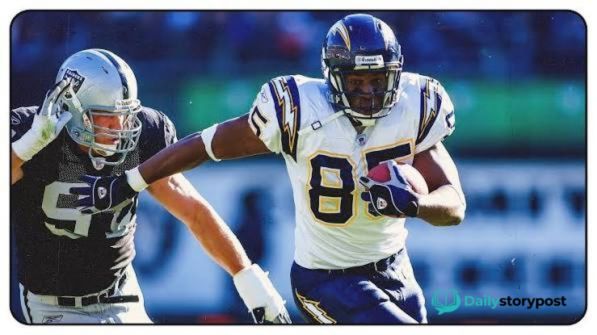
los angeles chargers vs las vegas raiders match player stats Understanding football statistics can make an NFL game much easier to follow. A box score may look like a long list of numbers at first, but each figure tells part of the story. Passing yards can show how a quarterback moved the ball, rushing attempts can reveal how much responsibility a running back carried, while turnovers can explain why a team struggled even when its yardage looked competitive.
The Los Angeles Chargers vs Las Vegas Raiders match player stats are a good example of why looking beyond the final score matters. In their September 20, 2026 regular-season meeting, the Raiders won 26-14 at SoFi Stadium. The Chargers actually finished with slightly more total yards, but the Raiders created more scoring opportunities and benefited from turnovers.
Knowing how to read those numbers helps fans understand what really happened during a game. Instead of focusing on one impressive statistic, it is better to examine passing, rushing, receiving, defense, special teams, and team statistics together.
BIO
| Label | Information |
|---|---|
| Topic | Chargers vs Raiders Player Stats |
| Teams | Los Angeles Chargers and Las Vegas Raiders |
| League | NFL |
| Match Date | September 20, 2026 |
| Final Score | Raiders 26, Chargers 14 |
| Venue | SoFi Stadium |
| Raiders Quarterback | Kirk Cousins |
| Chargers Quarterback | Justin Herbert |
| Raiders Top Receiver | Tre Tucker |
| Chargers Top Rusher | Omarion Hampton |
| Key Raiders Stat | 3 passing touchdowns |
| Key Chargers Stat | 310 total yards |
| Main Focus | Understanding player and team statistics |
Start With the Basic Game Stats
The easiest place to begin is the team section of the box score.
The final score tells you who scored more points, but it does not always explain how the game developed. In the September 20 matchup, Las Vegas scored 26 points while Los Angeles scored 14. The game was tied 14-14 during the third quarter before the Raiders pulled away in the fourth.
Total yards provide another useful starting point. The Chargers recorded 310 total yards, while the Raiders finished with 305. That is an important detail because it shows that the final score was not simply a result of one team gaining dramatically more yardage.
Other team statistics add more context. The Chargers ran 62 offensive plays compared with 60 for Las Vegas. Los Angeles also held the ball for more than 32 minutes, while the Raiders had possession for less than 28 minutes.
Yet the Raiders still won comfortably. This is where turnovers become important.
The Chargers committed three turnovers, while the Raiders committed one. Those extra possessions gave Las Vegas additional opportunities to score and helped explain why a relatively close yardage battle produced a 12-point difference on the scoreboard.
How to Read Quarterback Stats
Quarterback statistics usually receive the most attention, but there are several numbers to understand.
Completions and attempts show how many passes a quarterback completed compared with how many he threw. A quarterback completing 20 of 30 passes, for example, completed two-thirds of his attempts.
Completion percentage turns those numbers into an easier comparison. It can provide a quick idea of passing accuracy, although it should not be used by itself to judge a performance.
Passing yards measure the total distance gained through completed passes. More passing yards generally indicate greater passing production, but the number of attempts matters too.
Yards per attempt gives more context by showing how many yards a quarterback averaged for each pass attempt. A quarterback who throws for 250 yards on 30 attempts has produced differently from one who needs 45 attempts to reach the same total.
Touchdowns and interceptions are also critical.
A touchdown pass directly contributes to scoring, while an interception gives the opposing team possession. That is why a quarterback’s passing yardage should always be considered alongside touchdowns and turnovers.
In the Chargers-Raiders matchup, Kirk Cousins completed 19 of 29 passes for 253 yards and three touchdowns, while Justin Herbert completed 15 of 27 passes for 192 yards with one touchdown and two interceptions.
Those figures show why quarterback statistics need to be read as a group. Passing yards alone do not tell the whole story.
Understanding Rushing Stats
Rushing statistics are relatively straightforward once you know what each column means.
Attempts indicate how many times a player carried the football. This is often called carries.
Rushing yards show the total yardage gained on those attempts.
Yards per carry divides rushing yards by attempts and helps measure efficiency. For example, a running back with 80 yards on 20 carries averaged four yards per carry.
The longest run identifies the player’s biggest rushing play. It can be useful for identifying explosive plays, but it should not be confused with overall consistency.
Rushing touchdowns show how many times the player reached the end zone on the ground.
The workload is also important. A running back who receives 20 or more carries has a different role from one who receives only four or five attempts.
For Los Angeles, Omarion Hampton was an important part of the offense. He carried the ball 23 times for 94 yards, averaging 4.1 yards per attempt, and scored one rushing touchdown. He also caught two passes for 21 yards.
That is a good example of why both rushing and receiving numbers can matter when evaluating a running back’s contribution.
How to Read Receiving Stats
Receiving statistics help explain how quarterbacks distribute the football.
The main categories are targets, receptions, receiving yards, yards per reception, longest reception, and receiving touchdowns.
A target represents a pass thrown toward a receiver. A reception means the player actually caught the pass.
This distinction is important. A receiver may have many targets but relatively few receptions. That can happen because of incomplete passes, defensive coverage, or difficult throws.
Receiving yards measure the total yards gained after completed catches.
Yards per reception provides an average for each catch. A high average can indicate that a receiver was used on deeper routes, while a lower average may suggest shorter passes.
The longest reception shows the player’s biggest catch of the game. Again, it should be viewed in context rather than treated as a complete measure of performance.
Tre Tucker was particularly productive for Las Vegas against Los Angeles. He caught five passes for 119 yards and scored a touchdown, including a 40-yard touchdown reception in the second quarter.
Cody White also made an important contribution, catching touchdown passes of 13 and 11 yards from Cousins during the second half.
For the Chargers, Tre’ Harris recorded a 53-yard reception, while Ladd McConkey finished with three catches for 35 yards. McConkey’s official 2026 game log confirms his three-reception, 35-yard performance against Las Vegas.
Reading Defensive Player Stats
Offensive statistics are usually easier to understand, but defensive numbers are just as important.
Total tackles indicate how many tackles a defender recorded. These can be divided into solo tackles and assisted tackles.
Sacks show when a defensive player tackles the quarterback behind the line of scrimmage during a passing play.
Tackles for loss measure tackles that stop a runner or receiver behind the line of scrimmage on plays that are not quarterback sacks.
Interceptions are passes caught by defenders. They can dramatically change possession and field position.
Pass defenses indicate plays where a defender successfully disrupts or prevents a completed pass.
Forced fumbles and fumble recoveries can also have a major impact.
When reading defensive stats, it is useful to remember that a player with fewer tackles may still have made an important contribution through coverage, pressure, or forcing a turnover.
In the Chargers-Raiders game, Las Vegas created multiple turnover-related moments, including interceptions of Herbert and a late defensive sequence that helped close out the victory. NFL’s postgame coverage specifically highlighted Hezekiah Masses’ second interception and Jeremy Chinn’s fumble recovery as important plays.
Special Teams Statistics
Special teams can easily be overlooked when reading a box score.
Field goals and extra points are the most familiar statistics. A kicker’s field-goal attempts and makes show how reliably the team converted scoring opportunities.
Punting statistics provide information about field position. A long punt does not necessarily mean a better outcome if the returner brings the ball back a significant distance.
Kick and punt return yards also matter because they can give an offense better starting field position.
The Raiders’ Matt Gay provided an important contribution against the Chargers. He made a 59-yard field goal late in the second quarter, giving Las Vegas a 10-7 halftime advantage.
The game also ended with a safety for Las Vegas, adding two points and making the final margin 26-14.
These plays show why special teams and unusual scoring plays should not be ignored when analyzing a box score.
A Real Example From Chargers vs Raiders
The best way to understand statistics is to connect them with what happened during the game.
The September 20, 2026 meeting started without either team scoring in the first quarter. The Raiders then opened the scoring in the second quarter when Cousins connected with Tre Tucker for a 40-yard touchdown.
Los Angeles answered with Hampton’s one-yard rushing touchdown. Las Vegas then regained the lead with Gay’s 59-yard field goal.
The Chargers took a 14-10 lead in the third quarter after Herbert found Oronde Gadsden for a 10-yard touchdown. The Raiders responded with two touchdown passes to White, one in the third quarter and another in the fourth.
The final fourth-quarter safety added two more points for Las Vegas.
Looking at the entire box score makes the result easier to understand. Los Angeles had more total yards, but the Raiders were more efficient in turning important possessions into points. The Chargers also committed more turnovers.
This is an important lesson when reading football statistics: the team with more yards does not automatically win the game.
How to Compare Two Players Fairly
Comparing players requires more than putting two numbers side by side.
First, compare players who have similar roles. Comparing a quarterback’s passing yards with a receiver’s receiving yards does not tell you much.
Second, look at workload. A running back with 20 carries should be evaluated differently from one with five carries.
Third, consider efficiency. Yards per carry, yards per reception, completion percentage, and yards per attempt can add useful context.
Fourth, examine scoring and turnovers. A quarterback with fewer passing yards may still have a stronger statistical contribution if he throws more touchdowns and fewer interceptions.
Finally, consider the game situation. A player may accumulate yards while his team is trailing and defenses are protecting against the pass. Another player may have fewer opportunities because his team built a lead early.
Statistics become more useful when they are connected to the circumstances in which they were produced.
Which Stats Matter Most?
There is no single statistic that explains an entire NFL game.
For quarterbacks, start with completions, attempts, passing yards, touchdowns, interceptions, and yards per attempt.
For running backs, look at carries, rushing yards, yards per carry, touchdowns, and long runs.
For wide receivers and tight ends, examine targets, receptions, receiving yards, yards per reception, and touchdowns.
For defenders, check tackles, sacks, interceptions, pass defenses, forced fumbles, and fumble recoveries.
At the team level, turnovers, total yards, third-down performance, red-zone efficiency, penalties, and time of possession can help explain the broader result.
The most useful approach is to combine several categories instead of relying on one headline number.
Common Mistakes When Reading NFL Stats
One common mistake is focusing only on the final score.
The scoreboard tells you the outcome, but not necessarily why it happened.
Another mistake is looking only at total yards. The Chargers gained 310 yards compared with 305 for the Raiders in this game, yet Las Vegas won 26-14. Turnovers and scoring efficiency provided important context.
It is also easy to overvalue one spectacular play. A 50-yard reception can make a receiver’s stat line look impressive, but the player’s complete involvement should also be considered.
Another mistake is ignoring opportunities. A receiver with three catches on four targets had a different workload from someone with three catches on ten targets.
Finally, fans sometimes compare statistics without considering the player’s position or role. Good statistical analysis requires context.
How Player Stats Help With Deeper Analysis
Once the basic numbers are understood, they can be used to identify larger patterns.
For example, quarterback statistics can reveal whether an offense relied heavily on short passes or attacked downfield.
Rushing numbers can show whether a team consistently used its ground game or abandoned it while chasing points.
Receiving statistics can reveal which players were central to the passing attack.
Defensive statistics can highlight pressure and turnover production.
Team statistics then connect all of those individual performances.
The Chargers-Raiders game demonstrates this clearly. Los Angeles moved the ball effectively enough to finish with slightly more total yardage, but three turnovers limited the value of that production. Las Vegas, meanwhile, turned key possessions into touchdowns and finished the game with a 12-point victory.
That is why the best analysis does not simply ask, “Who had the most yards?” It asks how those yards, plays, opportunities, and turnovers affected the game.
Final Takeaway
Learning to read Los Angeles Chargers vs Las Vegas Raiders match player stats does not require an advanced knowledge of football. Start with the final score, then move through team statistics, quarterback numbers, rushing production, receiving performance, defensive contributions, and special teams.
The September 20, 2026 matchup is a useful example because the basic yardage totals were relatively close, while turnovers, passing touchdowns, and late-game plays helped produce a 26-14 Raiders victory.
The key is to look at the numbers together. Passing yards tell only part of the story. Rushing attempts need efficiency. Receiving yards need targets. Tackles need defensive context. And team yardage needs to be considered alongside turnovers and scoring.
Once these relationships become familiar, an NFL box score stops looking like a collection of random numbers. It becomes a concise record of how the game unfolded and which statistical details shaped the final result.
FAQs
What are Los Angeles Chargers vs Las Vegas Raiders match player stats?
They are the individual and team numbers recorded during a Chargers vs Raiders game, including passing, rushing, receiving, defensive, and special teams statistics.
Which quarterback stats should I check first?
Start with completions, attempts, passing yards, touchdowns, interceptions, and yards per attempt. Together, these numbers provide better context than any single statistic.
How do I compare two running backs?
Look at carries, rushing yards, yards per carry, touchdowns, and longest runs. Also consider how many opportunities each player received.
What do receiving targets mean?
A target is a pass thrown toward a receiver. Comparing targets with receptions can help show how frequently a player was involved in the passing game.
Why are turnovers important in NFL stats?
Turnovers give the opposing team an extra possession and can quickly change field position and scoring opportunities, making them an important part of game analysis.


 Celebrity4 months ago
How Tall Is Glen Powell? Height, Facts, and More
- Celebrity4 months ago
Fielder Jewett Age: Everything We Know About Him in 2026
- Technology4 months ago
How Simpcitt Is Changing the Way People Think Today
- Celebrity4 months ago
Who Is Meredith Schwarz? Key Facts You Should Know
- Food & Drink4 months ago
Where to Find the Best Piononos de Santa Fe Near Me Today
- Home Safety3 months ago
How KDArchitects Landscape Ideas by Morph Transform Outdoor Spaces
- Business4 months ago
How to Buy Milohacherry Coin Safely and Get Started Today
- Business4 months ago
How Driving Modes in Cadillac Lyriq Impact Range and Efficiency