Home Safety
Best Door Design Trends for Modern Homes in 2026

A door is one of the first details people notice when they approach a home. It sets the tone for the entrance, influences how natural light moves through a space, and can even affect comfort and energy use. In 2026, door design is moving toward a balance of clean aesthetics, practical materials, better security, and thoughtful details.
The strongest designs are not necessarily the most elaborate. Instead, modern homeowners are increasingly choosing doors with simple shapes, natural finishes, useful technology, and materials that suit the local climate. Current design coverage also points toward minimalist forms, warm wood tones, larger areas of glass, earth-inspired colors, and greater customization.
Whether you are building a new house, renovating an older property, or simply replacing an entrance door, the following trends can help you find a style that looks contemporary without becoming dated too quickly.
BIO
| Label | Information |
|---|---|
| Thema | Door Design Trends 2026 |
| Türtyp | Moderne Haus- und Eingangstüren |
| Stil | Modern, schlicht und zeitgemäß |
| Beliebte Materialien | Holz, Glas, Metall und Verbundstoffe |
| Farbtrends | Schwarz, Anthrazit, Naturtöne und warme Farben |
| Design | Klare Linien und dezente Details |
| Beliebter Trend | Minimalistisches Door Design |
| Smart-Technik | Smart Locks und schlüsselloser Zugang |
| Nachhaltigkeit | Langlebige und energieeffiziente Materialien |
| Glasoptionen | Klar, mattiert, getönt oder strukturiert |
| Einsatzbereich | Eingang, Innenräume, Terrasse und Balkon |
| Auswahlkriterien | Stil, Sicherheit, Klima, Platz und Budget |
1. Minimalist Door Design
Minimalism continues to influence modern architecture, and doors are no exception. A minimalist door design usually relies on clean lines, flat surfaces, limited decoration, and carefully selected hardware.
Instead of carved patterns or complicated panel arrangements, modern doors may feature a smooth slab with one or two subtle grooves. The result is simple but intentional.
This style works particularly well with contemporary houses featuring large windows, concrete surfaces, stone walls, or neutral exterior colors. A simple door can also prevent a modern façade from looking visually crowded.
Matte finishes, slim handles, concealed hardware, and straight geometric lines are particularly suitable for this approach.
The important thing is not to confuse minimalism with a lack of character. A beautifully finished wood surface, unusual handle, or carefully positioned glass panel can give a simple door plenty of personality.
2. Modern Wooden Door Design

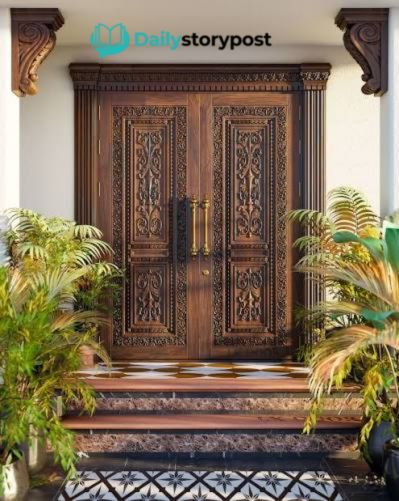
Wood remains one of the most versatile materials for residential doors. It brings warmth and texture to modern architecture, which can otherwise rely heavily on concrete, glass, metal, and smooth painted surfaces.
In 2026, natural-looking wood finishes are especially attractive because they soften the appearance of contemporary buildings. Warm oak, walnut-inspired shades, teak, and other wood tones can create a welcoming entrance without requiring decorative carving.
A modern wooden door can be completely flat, feature narrow vertical grooves, or combine wood with metal and glass. These combinations allow homeowners to retain the warmth of wood while achieving a distinctly contemporary appearance.
Material quality matters just as much as appearance. Exterior wood needs suitable protection from moisture, sunlight, temperature changes, and everyday wear. The right finish and maintenance schedule can significantly affect how well the door ages.
For homes in demanding climates, homeowners should also consider engineered or composite alternatives that provide a similar visual effect with different maintenance requirements.
3. Glass Door Design

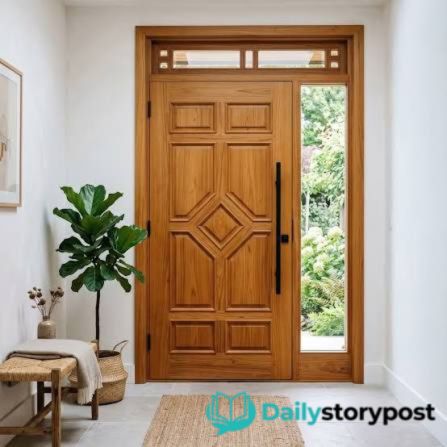
Glass has become an important element in modern residential architecture because it can help connect indoor and outdoor spaces.
A glass-focused door design does not necessarily mean using a completely transparent door. Homeowners can choose frosted, textured, tinted, patterned, or partially glazed panels depending on the level of privacy required.
Large glass panels can make an entrance feel brighter and more open. They can work particularly well where a hallway or entrance area receives limited natural light.
However, appearance should not be the only consideration. Privacy, security, heat gain, glass performance, and orientation all deserve attention before choosing a glazed exterior door.
Energy performance also depends on the product and climate. ENERGY STAR notes that door performance requirements vary according to glazing level and climate zone, while factors such as U-factor and solar heat gain can help homeowners compare products.
For a modern home, a narrow vertical glass panel can often provide a good compromise between contemporary style, daylight, and privacy.
4. Bold Front Door Design
A front door does not always have to blend into the exterior. Sometimes the entrance looks better when the door becomes the focal point.
Bold colors, distinctive wood grain, unusual proportions, and strong hardware can transform an otherwise simple façade.
Deep green, charcoal, navy, muted terracotta, warm brown, and other nature-inspired shades can add character without making the house look overly dramatic. The best choice depends on the surrounding materials and architectural style.
A bold entrance works particularly well when the rest of the exterior is relatively restrained. If the walls, windows, roof, landscaping, and door all compete for attention, the result can feel busy.
Choose one strong visual feature and let it lead the design.
5. Smart Door Design
Technology is becoming increasingly integrated into residential entrances. Smart locks and keyless access can make a modern door more convenient while adding another layer of control.
Depending on the system, homeowners may use a PIN, fingerprint, smartphone, electronic key, or traditional key as a backup. Some systems can also provide access records or temporary codes for visitors.
The important point is that smart technology should complement the physical door rather than replace good security practices.
A strong frame, quality lock hardware, suitable hinges, secure installation, and durable materials remain essential.
When choosing a smart door design, also consider what happens during a power failure, whether the system has a reliable backup method, and how easily replacement batteries or components can be obtained.
6. Sustainable Door Materials
Sustainability is increasingly influencing decisions about home materials. For doors, that can mean choosing durable products, responsibly sourced wood, recycled materials, energy-efficient construction, or finishes designed for longer service life.
A sustainable choice is not simply a door made from a particular material. Durability and appropriate performance are equally important. A door that needs frequent replacement may have a larger environmental impact than a well-made product that remains useful for many years.
Energy performance is another important consideration for exterior doors. The U.S. Department of Energy notes that older, poorly insulated, poorly installed, or inadequately air-sealed exterior doors can contribute to air leakage and wasted energy.
This makes proper installation just as important as selecting an attractive design.
For buyers in markets where energy labels are available, certified performance information can make comparison easier. ENERGY STAR says its certified doors are independently tested and verified through NFRC-based ratings and must meet efficiency requirements appropriate to the relevant climate zone.
7. Black and Dark-Colored Doors
Dark doors continue to suit modern architecture because they create a strong contrast against lighter walls, stone, brick, concrete, or rendered façades.
Black, charcoal, deep brown, and dark bronze finishes can make an entrance look sophisticated without requiring complicated decoration.
A black door with simple hardware is particularly effective on minimalist houses. It can also work with warm wood, creating a balance between natural and industrial elements.
The surrounding colors should be considered before committing to a very dark finish. A door should feel connected to the rest of the exterior rather than appearing like an isolated feature.
Hardware can also change the final impression. Slim black hardware creates a discreet look, while brushed metal or warm metallic finishes can introduce contrast.
8. Sliding and Space-Saving Doors
Not every modern door needs to swing open in the traditional way. Sliding doors can be a practical choice where floor space is limited or where homeowners want a stronger connection between rooms and outdoor areas.
Sliding designs are particularly useful for patios, balconies, gardens, dining areas, and open-plan interiors.
Pocket doors are another option for interior spaces because the door panel can slide into a wall cavity when open. This can make small rooms easier to furnish.
However, the track system, wall construction, hardware quality, and maintenance requirements should be considered carefully.
For exterior sliding doors, weather sealing and glass performance are especially important. A beautiful door is not very useful if it allows excessive drafts, moisture, or heat transfer.
9. Double and Oversized Door Designs
Large entrance doors can create a strong architectural presence. Double doors are especially suitable for wide entryways and larger homes where the proportions of a standard single door may appear too small.
Modern double-door designs can use matching panels, large glass sections, natural wood, metal accents, or asymmetrical layouts.
Oversized doors also work well in homes with high ceilings because they maintain visual balance between the entrance and the overall building.
But bigger is not automatically better.
The door opening, structural support, hardware, clearance, and weight all need to be considered before installation. A large door must be properly engineered and installed so that it remains easy to operate over time.
10. Textured and Decorative Door Designs
Modern design does not mean every door must be completely plain. Subtle texture is an effective way to add depth without returning to overly elaborate traditional decoration.
Vertical grooves, fluted surfaces, geometric patterns, woodgrain textures, and narrow recessed panels can give a simple door a distinctive appearance.
One advantage of subtle texture is that it can create visual interest while keeping the overall form clean.
For example, a tall wooden door with evenly spaced vertical grooves can appear sophisticated without needing carved artwork or excessive ornamentation.
Texture should support the architecture rather than compete with it. If the exterior already contains strong stone patterns, decorative windows, or elaborate landscaping, a simpler door may be the better choice.
11. How to Choose the Right Door Design
Choosing a door should involve more than selecting a picture you like. The best door design is one that suits the building, climate, budget, security needs, and everyday lifestyle.
Consider the Home’s Style
Start by looking at the architecture of the house.
A flat-panel door may suit a contemporary home, while a warm wooden design may work better with a natural or transitional exterior. A traditional house may require more detailed paneling to maintain architectural consistency.
The door should feel like part of the building rather than an unrelated addition.
Think About the Climate
Climate can influence material selection, insulation, glazing, finishes, and maintenance.
A door exposed to intense sunlight may require a finish designed for UV exposure. Areas with high humidity may require materials and construction that resist moisture effectively.
For energy performance, homeowners should look at ratings appropriate to their climate rather than assuming one product will perform equally well everywhere. The Department of Energy specifically recommends considering climate when comparing U-factor and solar heat gain characteristics.
Balance Privacy and Natural Light
Glass can make an entrance brighter, but large transparent panels may not suit every property.
Consider how much visibility is actually desirable. Frosted or textured glass can provide daylight while reducing direct views into the home.
Prioritize Security
A beautiful entrance should also provide dependable security.
Consider the strength of the door slab, frame, hinges, locking system, glass specification, and installation quality. Smart locks can add convenience, but they should be part of a broader security approach.
Set a Realistic Budget
Door prices vary considerably depending on material, size, construction, hardware, glazing, customization, and installation.
Instead of spending the entire budget on the door itself, allow room for quality hardware, professional installation, finishing, and future maintenance.
A moderately priced door installed correctly can be a better long-term choice than an expensive door installed poorly.
12. Door Design Mistakes to Avoid
One of the most common mistakes is choosing a door based entirely on appearance.
A design may look excellent in a photograph but perform poorly in a particular climate or installation location.
Another mistake is ignoring measurements. Large doors require adequate clearance and suitable structural support, while sliding doors need enough wall or opening space.
Homeowners should also avoid selecting materials without considering maintenance. A finish that looks beautiful initially may require more care than expected.
Poor installation is another major issue. Even a well-designed, energy-efficient door can perform poorly if the frame is incorrectly fitted or gaps are not properly sealed.
ENERGY STAR emphasizes that selecting an appropriate product and installing it correctly both matter when seeking better performance.
Finally, avoid following trends too literally. A door is a long-term part of the home. It should reflect the building and the homeowner’s taste rather than simply copying whatever is currently popular.
Conclusion
The best door design trends for modern homes in 2026 are less about decoration and more about combining appearance with everyday performance.
Minimalist doors, natural wood, carefully selected glass, bold entrance colors, smart locks, sustainable materials, dark finishes, sliding systems, oversized entrances, and subtle textures all offer different ways to create a contemporary home.
The most successful choice will depend on the home’s architecture, local climate, security requirements, available space, and maintenance expectations.
Above all, choose a door that will still feel right several years from now. Trends can provide inspiration, but good proportions, durable materials, thoughtful detailing, proper installation, and practical performance are what make a door genuinely successful.
For exterior doors, energy performance should also be treated as part of the design decision. Official guidance from ENERGY STAR and the U.S. Department of Energy shows why climate, insulation, air sealing, and independently verified performance ratings deserve attention alongside appearance.
FAQs
What is the most popular door design trend in 2026?
Minimalist doors, natural wood finishes, large glass panels, and simple geometric details are among the popular choices for modern homes in 2026.
Which door design is best for a modern home?
A clean, simple door design with quality materials usually works well. Wood, glass, dark finishes, and subtle textures can all complement contemporary architecture.
Are wooden doors still a good choice in 2026?
Yes. Modern wooden doors remain popular because they add warmth and natural texture. With the right finish and maintenance, they can also be durable.
Are smart doors worth considering?
Smart locks can provide convenient keyless entry and features such as temporary access codes. They work best when combined with a strong door, frame, and reliable locking system.
How do I choose the right door design?
Consider your home’s architectural style, climate, security needs, available space, maintenance requirements, and budget before making a decision
https://dailystorypost.com/aimee-ffion-edwards/.