Celebrity
Catherine O’Hara Cause of Death: What We Know So Far

Catherine O’Hara was one of those rare performers who could make audiences laugh, feel connected to a character, and remember a scene long after the screen went dark. From her unforgettable role as Kevin McCallister’s mother in Home Alone to her award-winning performance as Moira Rose in Schitt’s Creek, she built a career that reached several generations of viewers.
Her death on January 30, 2026, at the age of 71, saddened fans and fellow performers around the world. Initially, her representatives announced that she had died following a brief illness, without providing further medical details. More information became public when her death certificate was reported on in February 2026.
The confirmed Catherine O’Hara cause of death was a pulmonary embolism, with rectal cancer listed as the underlying cause. These details help explain the medical circumstances of her passing, although they do not tell the whole story of a life devoted to creativity, comedy, and memorable performances.
This article examines what is publicly known about her death, explains the medical terms in straightforward language, and looks back at the career and personal legacy that made her such a beloved figure in entertainment.
Catherine O’Hara Cause of Death: What Is Confirmed?
According to reporting based on her death certificate, Catherine O’Hara died from a pulmonary embolism, a serious condition involving a blood clot that blocks an artery in the lungs. The certificate identified rectal cancer as the underlying cause.
The distinction between these two conditions is important. A pulmonary embolism was recorded as the immediate cause of death, while rectal cancer was identified as the longer-term medical condition underlying it. These terms describe different parts of the reported medical explanation rather than two unrelated causes.
News of her death was initially announced on January 30, 2026. Her representatives said she had passed away following a brief illness, but the initial announcement did not identify a specific disease or explain the circumstances in medical detail.
The later reporting provided a clearer answer to the question many fans were asking. It also revealed that O’Hara had been receiving treatment for rectal cancer, a condition she had not publicly discussed in detail before her death.
It is important to distinguish confirmed information from speculation. Public reporting establishes the causes listed on her death certificate, but it does not provide a complete account of every aspect of her health or the exact sequence of events leading to the fatal embolism.
For that reason, a respectful account should stay with the documented facts rather than making assumptions about her private medical experience.
When Did Catherine O’Hara Die?

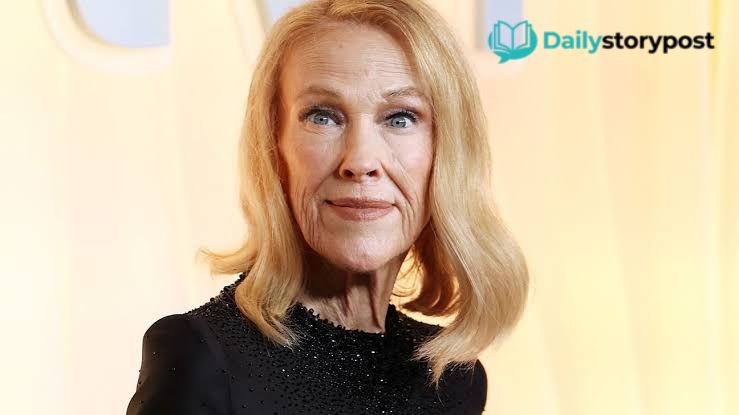
Catherine O’Hara died on January 30, 2026, at the age of 71, in Santa Monica, California. She had spent decades working in film and television and remained professionally active in the period leading up to her death.
The news came as a shock to many viewers because O’Hara had remained a familiar presence on screen. Her performances continued to reach new audiences through streaming services, television reruns, and popular films that had become part of modern entertainment culture.
The first announcement from her representatives described her passing as following a brief illness. At that stage, the public had little information about the medical circumstances, which led to understandable questions from fans and entertainment observers.
When details from the death certificate became public in February, the reported causes were identified as a pulmonary embolism and underlying rectal cancer.
Although the medical explanation answered an important question, her passing was also a reminder of how much she had contributed to the entertainment industry. Many people knew her as the warm but frantic mother in Home Alone, while others admired her extraordinary comic timing and unconventional characters in later television work.
Her career had lasted approximately five decades, and her influence extended well beyond any single role.
What Is a Pulmonary Embolism?
A pulmonary embolism is a potentially life-threatening medical condition that occurs when an artery in the lungs becomes blocked, usually by a blood clot. It can develop suddenly and requires urgent medical attention.
To understand the condition, it helps to know how blood normally travels through the body. Blood carries oxygen to organs and tissues. It moves through the heart and lungs, where it receives oxygen before circulating throughout the body. When a clot blocks an artery in the lungs, this process can be disrupted.
Many pulmonary embolisms begin with a blood clot that forms in a deep vein, often in the leg. This is known as deep vein thrombosis. If part of the clot breaks away, it can travel through the bloodstream and reach the lungs, where it may become lodged in an artery.
The severity of a pulmonary embolism varies. A smaller clot may cause symptoms that are less obvious, while a large clot can severely affect blood flow and place considerable strain on the heart. In serious cases, the condition can become fatal.
Common Signs and Symptoms
Pulmonary embolism symptoms may appear suddenly. Common warning signs include:
- Shortness of breath, which can occur unexpectedly.
- Chest pain, sometimes becoming worse when taking a deep breath.
- A rapid heartbeat or a feeling that the heart is racing.
- Coughing, occasionally accompanied by blood.
- Lightheadedness or fainting, particularly in severe cases.
Not everyone experiences the same symptoms, and some people may have symptoms that are difficult to recognize. Sudden breathing difficulties or unexplained chest pain require urgent medical assessment.
These general medical facts help explain why a pulmonary embolism is taken seriously. However, they should not be interpreted as a description of every symptom Catherine O’Hara experienced. Her publicly reported cause of death does not establish a complete personal symptom history.
Why Can a Pulmonary Embolism Be Dangerous?
A severe pulmonary embolism can prevent blood from flowing normally through part of the lungs. This can reduce oxygen delivery and place additional pressure on the right side of the heart.
The condition may progress quickly, which is why timely diagnosis and treatment are important. Doctors may use medical imaging, blood tests, and other examinations to assess whether a clot is present and determine the appropriate treatment.
Treatment depends on the patient’s condition and the severity of the blockage. It may involve blood-thinning medication, which helps prevent clots from growing and reduces the risk of additional clots. In selected serious cases, doctors may consider treatments designed to break down or remove a clot.
In Catherine O’Hara’s case, the death certificate identified pulmonary embolism as the immediate cause of death. The available information does not justify making assumptions about the specific treatment she received or the exact progression of her condition.
What Was Catherine O’Hara’s Underlying Medical Condition?
The death certificate also listed rectal cancer as the underlying cause of death. This was an important part of the medical information released after her passing because her cancer had not been widely discussed publicly during her lifetime.
Rectal cancer develops when abnormal cells grow in the rectum, the final section of the large intestine immediately before the anus. The rectum plays a role in storing stool before it leaves the body.
Rectal cancer belongs to the broader group of colorectal cancers, which includes cancers affecting the colon and rectum. Although the two conditions are related, the location of a tumour can influence how doctors evaluate and treat it.
The confirmation of rectal cancer provided a clearer explanation of the longer-term condition recorded on O’Hara’s death certificate. It also showed why it is important to distinguish between an immediate cause of death and an underlying medical condition.
How Is Rectal Cancer Different From Other Colorectal Cancers?
The colon and rectum are connected parts of the large intestine, but they occupy different areas of the digestive system. Cancer that develops in either location is classified according to where the abnormal cells originate.
Rectal cancer can cause changes in bowel habits, rectal bleeding, abdominal discomfort, or a persistent feeling that the bowel has not emptied completely. Some people experience few noticeable symptoms during the early stages, which can make medical assessment important when unusual symptoms persist.
Diagnosis may involve a physical examination, colonoscopy, tissue sampling, and imaging. The treatment plan depends on factors such as the tumour’s location, its stage, the patient’s overall health, and whether the disease has spread.
Treatment options may include surgery, radiation therapy, chemotherapy, targeted therapies, or a combination of approaches. Not every patient needs the same treatment, and medical decisions are made according to individual circumstances.
The fact that rectal cancer was listed on Catherine O’Hara’s death certificate does not establish every detail of her diagnosis, stage, or treatment. Those details should not be guessed at or presented as confirmed information without reliable evidence.
Can Cancer Increase the Risk of Blood Clots?
Cancer is associated with an increased risk of blood clots in some patients. Certain cancers can affect the body’s normal clotting processes, while treatment, reduced mobility, and other health factors may also contribute to the risk.
A clot that travels to the lungs can cause a pulmonary embolism. This is one reason doctors pay attention to clotting risks when caring for people with cancer.
However, the relationship between cancer and blood clots is complex. Risk varies depending on the type of cancer, its stage, the treatments involved, and other individual factors.
In O’Hara’s case, the death certificate linked the immediate cause of death, pulmonary embolism, with underlying rectal cancer. This is the appropriate confirmed explanation to report. It would be inaccurate to infer additional medical details that have not been publicly established.
Catherine O’Hara’s Final Days: What Is Publicly Known?
Catherine O’Hara’s death was initially described by her representatives as following a brief illness. The announcement did not immediately identify cancer or explain the medical circumstances surrounding her passing.
Later reporting based on her death certificate supplied further details, including the pulmonary embolism and underlying rectal cancer. The certificate also indicated that an oncologist had been treating her since March 2025 and had last seen her on January 27, 2026.
These details established that her cancer treatment had been ongoing before her death. They also helped clarify why the initial announcement did not provide the full medical explanation.
Despite the additional information, not every aspect of her final days has been made public. There is no need to fill those gaps with rumours or unverified stories. Respecting the limits of confirmed information is especially important when writing about a person’s illness and death.
O’Hara continued to be recognised for her work during the later years of her career. Her performances in The Studio and The Last of Us brought her further attention, and she received Emmy nominations for her recent television work.
For many fans, this continued professional activity made her death even more difficult to process. She was not simply an actress associated with films from the past; she was a performer whose work remained relevant and whose talents were still being celebrated.
Her passing brought renewed attention to her career, but her legacy extends beyond the circumstances of her final illness.
Who Was Catherine O’Hara?
Catherine O’Hara was a Canadian-American actress, comedian, writer, and performer whose career spanned several decades. She was born on March 4, 1954, in Toronto, Ontario, Canada, and grew into one of the most recognisable comic performers of her generation.
Her talent was not limited to delivering jokes. She had a remarkable ability to build distinctive characters through facial expressions, voice, movement, and carefully timed reactions. Whether she played an anxious parent, an eccentric celebrity, or a dramatic former television star, she gave each character a personality that audiences could recognise immediately.
O’Hara developed her skills through Toronto’s Second City comedy scene. The experience helped her learn improvisation and character-based comedy while working alongside performers who would become important figures in entertainment.
Her early work laid the foundation for a career that moved between television, films, voice acting, and more dramatic performances. Rather than relying on one style of comedy, she continued to experiment with different characters and approaches.
That versatility helped her remain relevant for decades. Younger viewers discovered her through Schitt’s Creek, while many longtime fans remembered her from films they had watched repeatedly since childhood.
Catherine O’Hara’s Most Memorable Roles
Home Alone
One of O’Hara’s most widely recognised performances was Kate McCallister in Home Alone (1990) and its sequel, Home Alone 2: Lost in New York (1992).
As Kevin’s mother, she portrayed a parent desperately trying to reunite with her son after he was accidentally left behind during a family trip. Her frantic expressions and emotional reactions became central to the films’ humour, but she also made Kate’s love and concern believable.
The famous moment when Kate realises Kevin has been left behind remains a memorable part of holiday movie culture. O’Hara’s performance helped give the story its emotional centre.
Schitt’s Creek
O’Hara reached another career milestone through her portrayal of Moira Rose in Schitt’s Creek. The comedy follows the wealthy Rose family after they lose their fortune and are forced to adjust to life in a small town.
Moira is an eccentric former soap opera star known for her elaborate wardrobe, dramatic expressions, unusual vocabulary, and distinctive accent. O’Hara transformed these qualities into a character who was both hilarious and unexpectedly touching.
Her performance earned her the 2020 Primetime Emmy Award for Outstanding Lead Actress in a Comedy Series. She also won a Golden Globe for the role in 2021.
Moira Rose became one of the show’s defining characters and introduced O’Hara’s comic style to a new generation of viewers.
Beetlejuice and Other Films
O’Hara also appeared as Delia Deetz in Tim Burton’s Beetlejuice (1988), a role she reprised in Beetlejuice Beetlejuice (2024). Her performance blended unusual humour with the film’s strange, imaginative atmosphere.
She also appeared in Christopher Guest’s mockumentary films, including Waiting for Guffman, Best in Show, and A Mighty Wind. These projects gave her room to improvise and create characters who felt both absurd and recognisably human.
Her filmography also included voice work in The Nightmare Before Christmas and a wide range of television appearances. This variety showed that her talent could work across different formats, audiences, and styles.
Catherine O’Hara’s Family and Personal Life
Although Catherine O’Hara spent much of her life in the public eye, she generally maintained a distinction between her professional career and her private life.
She married production designer and director Bo Welch in 1992. The couple met while working on Beetlejuice and had two sons, Matthew and Luke.
Her family was an important part of her life, but she did not make every aspect of it public. This is worth remembering when reading accounts of her illness or final days. The absence of personal medical details from public statements does not mean that rumours should be treated as facts.
O’Hara’s long professional relationship with Eugene Levy was another important part of her story. Their collaboration began in Canadian comedy and continued through many projects, including Schitt’s Creek. Their on-screen chemistry reflected years of shared experience and an understanding of one another’s comic instincts.
Their work together became a defining part of her career and contributed to the warmth audiences felt toward the Rose family.
How Fans and Fellow Actors Remembered Her
Following O’Hara’s death, tributes came from people who had worked with her over many years. Fellow performers remembered her not only for her comic talent but also for her generosity, creativity, and ability to make a character feel alive.
Macaulay Culkin, who played her son in the Home Alone films, shared an emotional tribute reflecting on their relationship. Their on-screen connection had become part of a film watched by millions of families, and his words reminded fans that their professional relationship had lasted well beyond the original movies.
Michael Keaton, her co-star in Beetlejuice, also paid tribute to their friendship. Their collaboration had brought audiences some of the most distinctive performances in the film’s unusual world.
Colleagues from Schitt’s Creek remembered the imagination and commitment she brought to Moira Rose. The character’s wardrobe, wigs, voice, and unusual turns of phrase were not simply decorative details; they were part of a carefully developed performance.
The reaction to her passing reflected the different ways people had connected with her work. Some remembered the mother who desperately searched for Kevin. Others remembered Moira’s dramatic speeches or O’Hara’s eccentric characters in Christopher Guest’s films.
What connected these memories was her ability to make audiences laugh without reducing her characters to simple jokes.
Catherine O’Hara’s Lasting Legacy
Catherine O’Hara’s legacy is larger than any single award or role. She demonstrated that comedy can be imaginative, precise, emotionally grounded, and deeply human at the same time.
Her early work in sketch comedy helped develop her skills as a character performer. Her films introduced her to international audiences, and her television work showed that she could continue finding new ways to surprise viewers throughout her career.
Her portrayal of Moira Rose was particularly significant because it gave her a character who could be unapologetically unusual. Moira’s theatrical personality, extravagant appearance, and dramatic mannerisms could easily have become one-dimensional in the hands of another performer. O’Hara instead gave the character vulnerability, pride, affection, and moments of genuine emotion.
Her performance in Home Alone offers another example of her range. Kate McCallister was very different from Moira Rose, yet O’Hara made both characters memorable through attention to detail and a clear understanding of their motivations.
Her career also illustrated the value of collaboration. From her early days in Toronto comedy to her work with Eugene Levy and Christopher Guest, she developed characters alongside other creative people while retaining a distinctive style of her own.
Her death at 71 marked the end of a remarkable career, but her performances remain available to audiences discovering her work for the first time. New viewers can still experience her comedy, while longtime fans can return to familiar films and find new details to appreciate.
Frequently Asked Questions
1. What was Catherine O’Hara’s cause of death?
Catherine O’Hara died from a pulmonary embolism, according to reporting based on her death certificate. Rectal cancer was listed as the underlying cause of death.
2. How old was Catherine O’Hara when she died?
She was 71 years old when she died on January 30, 2026. She was born on March 4, 1954, in Toronto, Canada.
3. Did Catherine O’Hara have cancer?
Yes. Her death certificate listed rectal cancer as the underlying cause of death. Reports indicated that she had been receiving treatment before her passing.
4. When did Catherine O’Hara pass away?
Catherine O’Hara passed away on January 30, 2026, in Santa Monica, California.
5. What was Catherine O’Hara best known for?
She was widely known for playing Kate McCallister in Home Alone and Moira Rose in Schitt’s Creek. She also appeared in Beetlejuice, Best in Show, and many other films and television productions.
Conclusion
The confirmed Catherine O’Hara cause of death was a pulmonary embolism, with rectal cancer recorded as the underlying cause. Her death on January 30, 2026, at age 71 brought sadness to fans who had followed her work across generations.
While these medical details answer an important question, they represent only one part of her story. O’Hara built a distinguished career through her originality, extraordinary comic timing, and ability to bring complex characters to life.
From Kate McCallister’s desperate search for her son to Moira Rose’s unforgettable theatrical flair, her performances left a lasting impression on popular culture. Her work continues to entertain audiences, and the characters she created remain a testament to her remarkable talent.
Catherine O’Hara will be remembered not only for the circumstances of her passing but also for the laughter, creativity, and humanity she brought to the screen.
Editorial note for Daily Story Post: The medical details in this article are based on published reporting about O’Hara’s death certificate. The background and career information is consistent with biographical coverage and Television Academy records. No unverified claims about her private medical experience have been added.

CBS News
+3