Food & Drink
How to Make a Baking Soda Recipe to Lose Weight

Baking soda has been sitting in kitchen cabinets for generations, usually waiting to help baked goods rise, freshen surfaces, or deal with an occasional household problem. More recently, it has also appeared in online weight-loss advice, with claims that drinking baking soda mixed with water, lemon, or other ingredients can help burn fat.
That idea sounds simple, but there is an important difference between a popular home remedy and something supported by good evidence.
If you are searching for a baking soda recipe to lose weight, the first thing to understand is that baking soda is not a proven fat-burning ingredient. Sodium bicarbonate, the chemical name for baking soda, has legitimate medical and sports-related uses, but those uses are different from weight management. Medical sources describe oral sodium bicarbonate primarily as an antacid and as a treatment for certain acid-base problems.
This does not mean that every claim about baking soda is completely meaningless. It means the subject needs a closer look. Understanding what baking soda actually does can help you avoid wasting time—or putting too much of it into your body—in the hope of losing weight.
BIO
| Label | Information |
|---|---|
| Topic | Baking Soda Recipe to Lose Weight |
| Main Ingredient | Baking soda (sodium bicarbonate) |
| Common Use | Cooking and household use |
| Weight-Loss Claim | Not proven to burn body fat |
| Recipe Type | Homemade drink trend |
| Common Mix | Water, sometimes lemon |
| Main Concern | High sodium intake |
| Possible Effects | Stomach discomfort and bloating |
| Excessive Use | May disturb acid-base balance |
| Evidence | No established weight-loss benefit |
| Safer Approach | Balanced diet and regular activity |
| Best Advice | Use baking soda only for appropriate purposes |
| Professional Help | Consult a healthcare professional when needed |
What Is Baking Soda?
Baking soda is commonly known as sodium bicarbonate. It is an alkaline compound that can react with acids.
In cooking, this reaction is useful because it can produce carbon dioxide gas, helping certain foods rise. In medicine, sodium bicarbonate can be used as an antacid to temporarily relieve heartburn and acid indigestion. It may also be prescribed in specific medical situations when reducing acidity is necessary.
The word “sodium” is important here. Baking soda is not simply a neutral powder that passes through the body without consequences. It contributes sodium to the diet, which is one reason people with sodium restrictions or certain health conditions need to be cautious.
For example, one current over-the-counter baking soda label states that a half-teaspoon contains 656 milligrams of sodium. That is a substantial amount for such a small quantity.
So, although baking soda is familiar and inexpensive, it should not automatically be considered harmless when consumed.
Can Baking Soda Help You Lose Weight?
This is the most important question.
At present, there is no established baking soda recipe proven to make the body burn fat or produce meaningful weight loss.
Baking soda does not work like a recognized weight-loss medication. It does not directly remove stored body fat, and drinking it does not replace the basic factors involved in losing weight, such as energy intake, physical activity, food choices, sleep, and long-term habits.
Some of the confusion may come from the fact that sodium bicarbonate has been studied in sports. Research summarized by the U.S. National Institutes of Health indicates that sodium bicarbonate may provide a small performance benefit during certain types of short, intense exercise. However, that research concerns exercise performance rather than using baking soda as a weight-loss treatment.
That distinction matters.
Why Do People Use Baking Soda for Weight Loss?
The popularity of baking soda for weight loss appears to come largely from online wellness advice and the idea that changing the body’s acidity or alkalinity could somehow increase fat burning.
The human body, however, already has sophisticated systems for maintaining its acid-base balance. The lungs and kidneys play major roles in controlling this balance.
Adding an alkaline substance does not simply “alkalize” the entire body in a way that automatically burns fat. Too much bicarbonate can actually disturb the body’s normal acid-base balance. MedlinePlus explains that excessive bicarbonate can contribute to alkalosis, a condition in which body fluids become excessively alkaline.
This is one reason the idea should not be approached as a harmless kitchen experiment.
How to Make a Baking Soda Recipe to Lose Weight

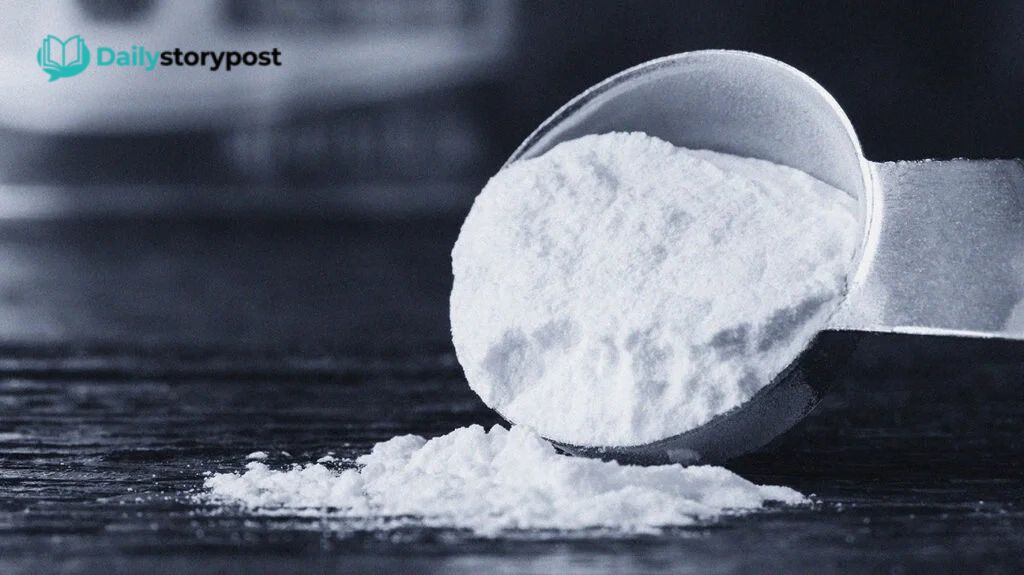
There is an important correction to make here: there is no medically established baking soda recipe that has been shown to cause weight loss.
You may see recipes online that combine baking soda with water, lemon juice, apple cider vinegar, or other ingredients. However, adding another ingredient does not turn baking soda into a scientifically proven fat-burning drink.
For that reason, it would be misleading to provide a specific homemade dose and present it as a weight-loss treatment.
If sodium bicarbonate has been recommended to you for a medical reason, use the product according to its official directions or your healthcare professional’s instructions. MedlinePlus advises that sodium bicarbonate should be taken exactly as directed and notes that powdered sodium bicarbonate should be measured carefully and dissolved in water when used orally.
That is very different from taking baking soda specifically to lose weight.
A safer approach is to treat baking soda as a food ingredient or medication with specific uses, rather than as a daily weight-loss supplement.
Baking Soda and Lemon Water
One of the most common combinations discussed online is baking soda with lemon water.
Lemon can add flavor and make plain water more appealing. Drinking more water can also be useful when it replaces high-calorie drinks such as sugary sodas or sweetened beverages.
But the lemon does not give baking soda a special fat-burning ability.
When baking soda and an acidic ingredient such as lemon juice are mixed, they react with each other. This produces carbon dioxide, which is why the mixture can fizz. The reaction is chemistry, not evidence that body fat is being burned.
If you enjoy lemon water, you can simply drink lemon-infused water without adding baking soda. It is an easier way to make water more enjoyable without unnecessarily adding sodium.
Baking Soda and Water
Another popular idea is mixing baking soda directly with water.
Water itself can be an excellent beverage choice, especially when it replaces calorie-containing drinks. But the benefit comes from the water and the overall dietary pattern—not from baking soda melting away body fat.
Adding baking soda does not make water a proven weight-loss drink.
More importantly, increasing the amount of baking soda does not increase its supposed weight-loss effect. There is no reason to assume that more is better, and excessive oral bicarbonate consumption can be dangerous.
A published medical case review has documented risks associated with excessive bicarbonate ingestion, including metabolic alkalosis, high blood sodium, low potassium, high blood pressure, fluid-related problems, and other complications.
What Are the Risks?
The biggest concern with using baking soda for weight loss is that people may think a common kitchen product is automatically safe in large quantities.
It is not.
Sodium bicarbonate can cause gastrointestinal symptoms such as gas and stomach cramps, while more serious problems can occur with inappropriate or excessive use. MedlinePlus also warns about symptoms such as nausea, weakness, swelling, and other potentially serious reactions.
Another concern is sodium.
Because baking soda contains sodium, regular consumption can add a considerable amount of sodium to the diet. This can be especially important for people who have been advised to follow a sodium-restricted diet.
Excess bicarbonate can also interfere with the body’s acid-base balance. Alkalosis can involve symptoms such as nausea, vomiting, confusion, muscle twitching, tingling, and electrolyte disturbances.
These are not reasonable trade-offs for an unproven weight-loss method.
Who Should Be Especially Careful?
Some people should not experiment with oral baking soda without professional guidance.
MedlinePlus specifically advises people to tell their healthcare provider if they have high blood pressure, congestive heart failure, kidney disease, or a sodium-restricted diet. It also recommends discussing pregnancy or breastfeeding before using sodium bicarbonate.
People taking prescription medicines should also check with a doctor or pharmacist because sodium bicarbonate can interact with medicines and may need to be separated from certain medications.
This is particularly important because someone may already be getting significant sodium from food. Adding baking soda on top of that can make the overall intake higher than expected.
Common Myths About Baking Soda
Baking Soda Burns Belly Fat
There is no good evidence establishing baking soda as a belly-fat-burning treatment.
Belly fat decreases as part of overall body-fat reduction. A drink cannot selectively tell the body to remove fat from one particular area.
Baking Soda Detoxes the Body
The body already has organs responsible for processing and removing waste, including the liver and kidneys.
There is no need to rely on a baking soda drink as a special detox treatment.
More Baking Soda Means Faster Results
This is one of the most dangerous assumptions.
A larger amount does not turn baking soda into a stronger weight-loss product. It simply increases exposure to sodium bicarbonate and its potential adverse effects.
Lemon Makes Baking Soda a Fat Burner
Lemon water can be a pleasant low-calorie beverage, but combining lemon with baking soda does not create a clinically established fat-burning formula.
The fizz you see is primarily a chemical reaction between an acid and bicarbonate.
Better Ways to Support Weight Loss
If your real goal is to lose excess body fat, it makes more sense to focus on habits that can be maintained for months rather than looking for one special drink.
Choose Filling Foods
Meals built around vegetables, fruits, beans, whole grains, lean protein, and other nutrient-rich foods can make it easier to manage hunger.
Protein and fiber are particularly useful parts of a balanced eating pattern because they can help meals feel more satisfying.
Watch Liquid Calories
One simple change can be replacing sugary drinks with water or other unsweetened beverages.
This does not require baking soda.
If you enjoy lemon water, adding lemon for flavor can make plain water more appealing.
Stay Physically Active
Walking, cycling, swimming, resistance training, sports, and other activities can all contribute to an active lifestyle.
The best activity is often the one you can realistically continue.
Pay Attention to Portions
Healthy foods can still contribute significant calories when eaten in very large portions.
Instead of completely eliminating favorite foods, many people find it more practical to adjust portions and build meals around nutritious foods.
Get Enough Sleep
Sleep is often overlooked when people think about weight management.
A consistent sleep routine supports overall health and can make it easier to maintain healthy eating and activity habits.
Focus on Consistency
A dramatic diet may work for a short period and then become difficult to maintain.
A slower approach based on realistic meals, regular movement, and sustainable habits is generally more practical than depending on an unproven home remedy.
When Should You Talk to a Professional?
If you are trying to lose a significant amount of weight, have a chronic medical condition, or take prescription medication, it is worth speaking with a healthcare professional before starting unusual supplements or home remedies.
This is especially important if you are considering regular oral baking soda.
A doctor or registered dietitian can help determine whether your weight-loss goal is appropriate and suggest an eating and activity plan based on your individual situation.
If you have already consumed a large amount of baking soda and develop severe stomach pain, repeated vomiting, weakness, confusion, breathing problems, or other serious symptoms, seek urgent medical attention.
Frequently Asked Questions
Does baking soda burn body fat?
No proven evidence shows that drinking baking soda directly burns body fat. Sodium bicarbonate has other legitimate uses, including antacid use and certain sports-performance applications, but these should not be confused with weight-loss treatment.
Can I drink baking soda every day to lose weight?
It is not advisable to use baking soda every day as a weight-loss method without medical guidance. Regular or excessive intake can increase sodium exposure and may affect the body’s acid-base and electrolyte balance.
Is baking soda and lemon water good for weight loss?
Lemon water can be a low-calorie alternative to sugary beverages, but adding baking soda does not make it a proven weight-loss drink. The combination should not be promoted as a fat-burning recipe.
How much baking soda should I take for weight loss?
There is no established weight-loss dose of baking soda. Official sodium bicarbonate products have specific directions for their approved uses, and those directions should not be repurposed as a weight-loss prescription.
What is a safer way to lose weight?
A safer approach generally involves a balanced eating pattern, appropriate portions, regular physical activity, adequate sleep, and habits that can be maintained over time. People with specific health needs should seek individualized advice from a healthcare professional.
Final Thoughts
The search for a baking soda recipe to lose weight is understandable. Simple home remedies are attractive because they seem inexpensive, convenient, and easy to add to a daily routine.
However, baking soda should not be treated as a proven weight-loss ingredient.
Sodium bicarbonate has useful and well-established purposes, but those purposes do not include directly burning body fat. It also contains a meaningful amount of sodium and can cause health problems when used improperly or excessively.
If your goal is sustainable weight loss, put your attention on the basics: nutritious meals, sensible portions, regular movement, good sleep, and consistency. Those habits may not sound as exciting as a quick homemade recipe, but they provide a much more sensible foundation for long-term health.
In short, there is no proven baking soda recipe that can safely replace the fundamentals of weight management. If you want to use sodium bicarbonate for a medical reason, follow the product directions or your healthcare professional’s advice rather than using it as a weight-loss shortcut.
FAQs
Does baking soda help with weight loss?
There is no strong evidence that baking soda directly burns body fat or causes meaningful weight loss. It should not be considered a proven weight-loss treatment.
Can I drink baking soda and lemon water for weight loss?
Lemon water can be a low-calorie drink, but adding baking soda does not make it a proven fat-burning beverage. Excessive baking soda may also cause health problems.
How much baking soda should I drink to lose weight?
There is no medically established dose of baking soda for weight loss. Taking excessive amounts can increase sodium intake and disturb the body’s acid-base balance.
Is it safe to drink baking soda every day?
Daily use for weight loss is not recommended without medical guidance. Baking soda contains sodium and excessive intake can cause stomach problems and other complications.
What is a safer way to lose weight?
A balanced diet, sensible portions, regular physical activity, adequate sleep, and consistent healthy habits provide a more reliable approach to weight management.