
Food & Drink
Is Turkey Bacon Healthy? What Nutrition Experts Want You to Know

Turkey bacon has become a staple in many kitchens, especially among people trying to eat healthier without giving up the smoky flavor of bacon. You’ll often see it marketed as a leaner alternative to traditional pork bacon, making it a popular choice for those focused on weight management, heart health, or reducing saturated fat.
But is turkey bacon healthy, or is it simply another processed food wearing a healthier image?
The answer isn’t as straightforward as many people think. Turkey bacon is generally lower in calories and saturated fat than pork bacon, but it is still a processed meat that often contains high amounts of sodium and preservatives. Whether it’s a healthy choice depends on how often you eat it, the brand you choose, and your overall eating habits.
In this guide, we’ll examine what nutrition experts say about turkey bacon, compare it with traditional bacon, explore its nutritional value, and help you decide whether it deserves a place in your diet.
BIO
| Label | Information |
|---|---|
| Topic | Is Turkey Bacon Healthy? |
| Food Type | Processed turkey meat product |
| Main Ingredient | Ground turkey meat |
| Common Use | Breakfast, sandwiches, salads, and wraps |
| Calories | Usually 60–80 per 2 slices |
| Protein | Around 4–6 grams per serving |
| Fat Content | Lower than traditional pork bacon |
| Sodium | Often high; varies by brand |
| Health Benefit | Lower in calories and saturated fat |
| Main Concern | Processed meat with added sodium and preservatives |
| Best For | People reducing fat or calorie intake |
| Healthy Tip | Choose lower-sodium brands and enjoy in moderation |
What Is Turkey Bacon?
Despite its name, turkey bacon isn’t made from strips cut from a turkey like pork bacon comes from a pig’s belly.
Instead, turkey bacon is produced by grinding different cuts of turkey meat usually a mix of light and dark meat before adding seasonings, curing agents, and natural smoke flavor. The mixture is then shaped into strips that resemble traditional bacon.
This manufacturing process gives turkey bacon its familiar appearance, but its texture and taste are slightly different. It tends to be leaner, less greasy, and slightly firmer than pork bacon.
While many people enjoy it as a healthier substitute, it’s important to remember that turkey bacon is still considered a processed meat.
Is Turkey Bacon Healthy?
The short answer is yes but with some important limitations.
Turkey bacon can be a healthier option than pork bacon because it usually contains:
- Fewer calories
- Less total fat
- Less saturated fat
- Similar protein content
However, these benefits don’t automatically make it a healthy food.
Most commercially available turkey bacon contains:

- High sodium levels
- Preservatives such as sodium nitrite
- Added flavorings
- Artificial smoke flavor
- Occasionally added sugars
Nutrition experts generally recommend viewing turkey bacon as an occasional protein source rather than an everyday health food.
If your goal is improving overall nutrition, turkey bacon can fit into a balanced diet, but fresh, minimally processed proteins like chicken breast, fish, eggs, beans, or tofu remain healthier everyday choices.
Turkey Bacon Nutrition Facts
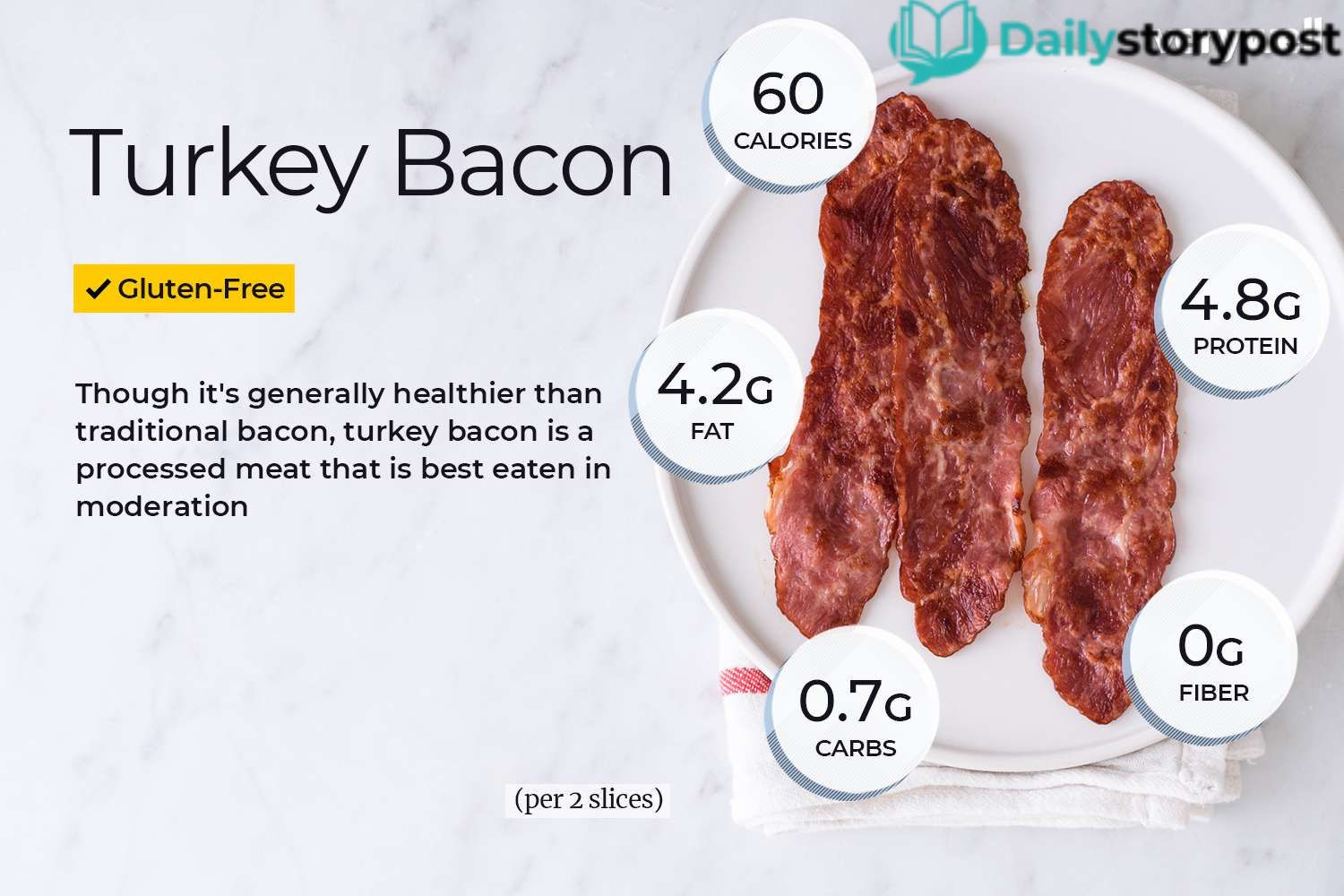
Although nutrition varies by manufacturer, two slices of turkey bacon typically provide approximately:
These values show why turkey bacon appeals to people looking for lower-calorie breakfast options.
However, one serving can supply a significant portion of the recommended daily sodium intake. If you eat multiple servings or pair turkey bacon with other salty foods, sodium can quickly add up.
Always check the nutrition label because different brands vary considerably.
Health Benefits of Turkey Bacon
Although turkey bacon isn’t a superfood, it does offer several advantages over traditional pork bacon.
Lower in Calories
One of the biggest reasons people switch to turkey bacon is its lower calorie content.
Replacing pork bacon with turkey bacon may reduce calorie intake without completely giving up the foods you enjoy. Over time, these small calorie savings can support weight management when combined with a balanced diet.
The difference becomes more meaningful if bacon is something you eat regularly.
Less Saturated Fat
Turkey bacon usually contains less saturated fat than pork bacon.
Nutrition experts recommend limiting saturated fat because excessive intake may contribute to elevated LDL (“bad”) cholesterol in some individuals.
Choosing turkey bacon instead of regular bacon can help reduce saturated fat intake, especially if you’re trying to improve heart health.
However, reducing saturated fat is only one part of maintaining a healthy heart. Your overall dietary pattern matters much more.
Good Source of Protein
Protein plays an important role in maintaining muscle, repairing tissues, and keeping you full after meals.
Turkey bacon provides moderate amounts of protein, making it a reasonable addition to breakfast when paired with nutrient-rich foods.
For example, combining turkey bacon with:
- Eggs
- Whole-grain toast
- Avocado
- Fresh fruit
- Vegetables
creates a more balanced and satisfying meal.
Fits Many Eating Plans
Turkey bacon can work well in several eating styles, including:
- Lower-fat diets
- Higher-protein meal plans
- Reduced-calorie diets
- Some low-carbohydrate eating patterns
Its versatility allows it to be used in salads, sandwiches, wraps, soups, breakfast bowls, and omelets.
Potential Downsides of Turkey Bacon
Despite its benefits, turkey bacon isn’t without drawbacks.
Understanding these limitations helps you make informed choices.
High Sodium Content
Perhaps the biggest nutritional concern is sodium.
Many brands contain between 300 and 500 milligrams of sodium in just two slices.
People with:
- High blood pressure
- Kidney disease
- Heart disease
- Sodium-sensitive conditions
should pay close attention to serving sizes.
Choosing reduced-sodium varieties can help lower your overall intake.
It Is Still a Processed Meat
Many consumers assume turkey bacon is an unprocessed natural meat.
That isn’t true.
Turkey bacon is cured and processed similarly to traditional bacon.
Processing often involves:
- Salt
- Nitrites or nitrates
- Flavor enhancers
- Preservatives
- Smoking
Health organizations generally recommend limiting processed meats because frequent consumption has been associated with an increased risk of certain chronic diseases.
That doesn’t mean an occasional serving is harmful, but moderation remains important.
Nutrition Varies by Brand
Not every package of turkey bacon offers the same nutritional quality.
Some products contain:
- More sodium
- More preservatives
- Added sugar
- Fillers
- Artificial ingredients
Others use simpler ingredient lists with fewer additives.
Reading nutrition labels and ingredient lists can help you choose products that better fit your health goals.
The “Health Halo” Effect
One common mistake is assuming that because turkey bacon is made from turkey, it’s automatically healthy.
This is known as the health halo effect.
A food can be healthier than another option without actually being healthy on its own.
For example, replacing four slices of pork bacon with four slices of turkey bacon may reduce fat intake, but eating large amounts regularly still increases sodium and processed meat consumption.
Portion size matters just as much as food choice.
Turkey Bacon vs. Pork Bacon: Which Is Healthier?
When comparing the two, turkey bacon generally comes out ahead in several categories.
| Feature | Turkey Bacon | Pork Bacon |
|---|---|---|
| Calories | Usually lower | Usually higher |
| Total Fat | Lower | Higher |
| Saturated Fat | Lower | Higher |
| Protein | Similar | Similar |
| Sodium | Often similar or slightly higher | High |
| Cholesterol | Slightly lower | Higher |
| Processing | Processed | Processed |
For people trying to lose weight or reduce saturated fat intake, turkey bacon is usually the better option.
However, both products remain processed meats and should be enjoyed in moderation rather than serving as daily staples.
The healthiest breakfast proteins are still minimally processed foods such as eggs, plain Greek yogurt, cottage cheese, legumes, fish, or fresh poultry.
Frequently Asked Questions
Is turkey bacon healthier than regular bacon?
Turkey bacon is generally lower in calories and saturated fat than traditional pork bacon, making it a healthier option for many people. However, both are processed meats and should be eaten in moderation as part of a balanced diet.
Can I eat turkey bacon every day?
It’s best not to eat turkey bacon every day. While it can fit into a healthy eating plan, its high sodium content and processed nature mean it should be enjoyed occasionally rather than as a daily staple.
Is turkey bacon good for weight loss?
Turkey bacon can support weight loss because it typically contains fewer calories and less fat than pork bacon. Pairing it with whole grains, vegetables, and other nutrient-rich foods can help create a satisfying, balanced meal.
Does turkey bacon contain nitrates or preservatives?
Many brands of turkey bacon contain curing agents such as sodium nitrite or other preservatives to improve flavor and extend shelf life. If you want to reduce your intake of additives, compare ingredient labels and choose products with simpler ingredient lists.
Who should avoid eating turkey bacon?
People with high blood pressure, kidney disease, or those following a low-sodium diet should limit turkey bacon because it can be high in sodium. Choosing lower-sodium varieties and eating smaller portions can be a healthier approach.
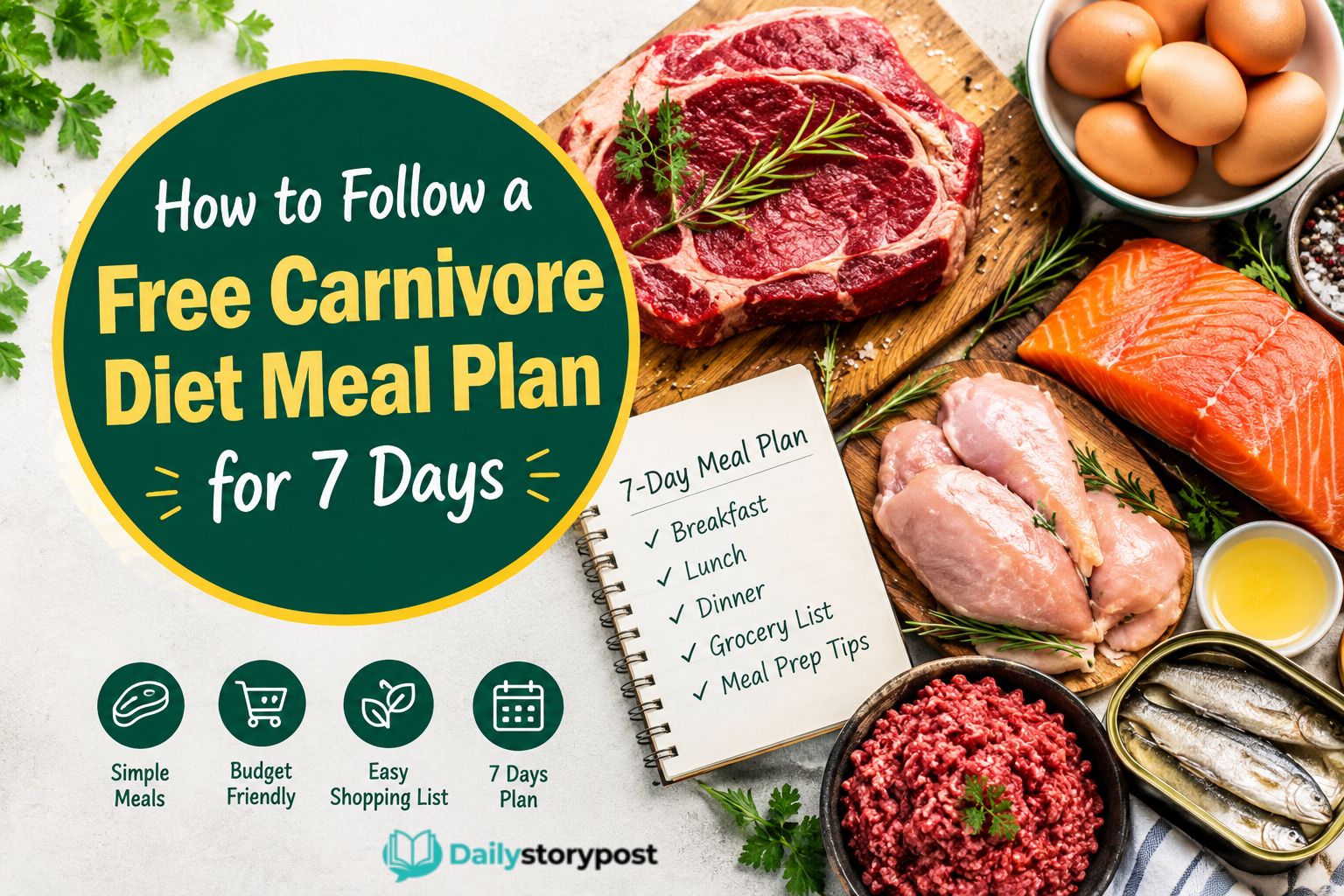
A free carnivore diet meal plan can help you organize your meals, plan grocery shopping, and understand what a week of animal-based eating might look like. Instead of buying expensive meal plans or specialty products, you can start by learning about ordinary foods, simple cooking methods, and affordable grocery choices.
The carnivore diet has attracted attention from people interested in low-carbohydrate eating. However, it is also highly restrictive, and its long-term health effects are not well established. Before making major dietary changes, it is important to understand both the potential concerns and the practical challenges.
BIO
| Label | Information |
|---|---|
| Article Title | How to Follow a Free Carnivore Diet Meal Plan for 7 Days |
| Main Keyword | Free Carnivore Diet Meal Plan |
| Diet Type | Animal-based, highly restrictive diet |
| Meal Plan Duration | 7 Days |
| Main Foods | Beef, chicken, fish, eggs |
| Optional Foods | Butter, cheese, plain yogurt |
| Breakfast Ideas | Scrambled eggs, boiled eggs, beef |
| Lunch Ideas | Beef patties, chicken, canned fish |
| Dinner Ideas | Roasted chicken, beef, baked fish |
| Shopping Tips | Compare prices and buy affordable cuts |
| Meal Preparation | Batch cooking and safe food storage |
| Potential Concerns | Low fiber intake and possible nutrient deficiencies |
| Health Advice | Consult a qualified healthcare professional before starting |
This seven-day guide provides simple meal ideas, a basic shopping list, and budget-friendly preparation tips. It also explains important safety considerations so you can make an informed decision about whether this eating pattern is appropriate for you.
What Is a Carnivore Diet?
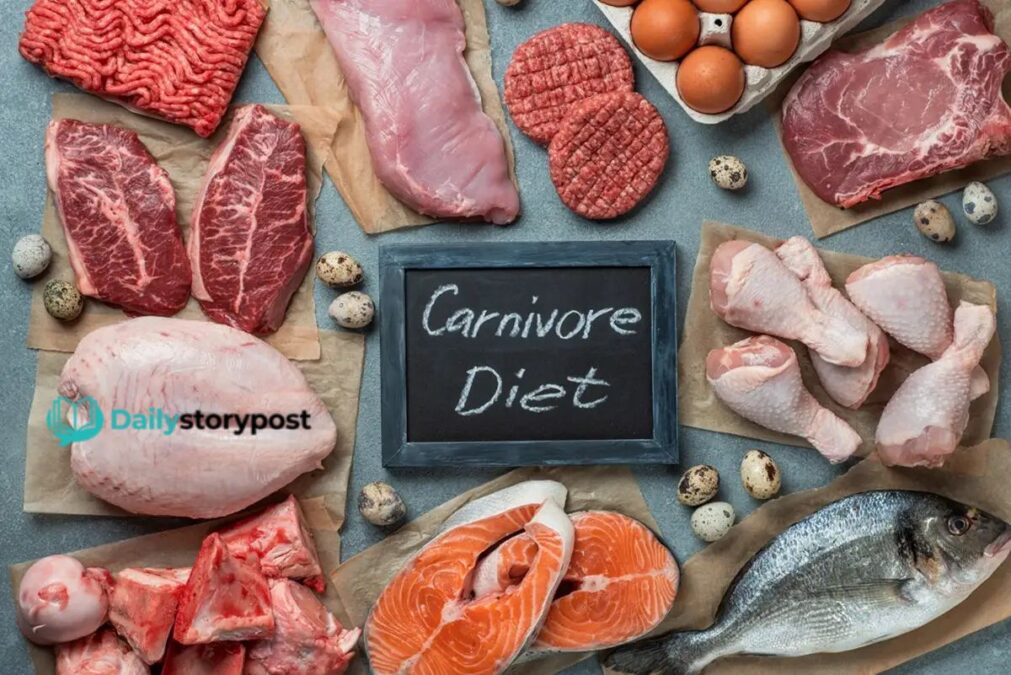
The carnivore diet is an eating pattern centered on foods derived from animals. Depending on the version followed, people may eat beef, chicken, fish, eggs, and certain dairy products while excluding vegetables, fruits, grains, beans, nuts, and seeds.
Strict versions focus almost entirely on meat, fish, eggs, and water. Other versions include foods such as butter, cheese, or plain dairy products. There is no single standardized carnivore diet that everyone follows.
Unlike a balanced eating pattern that includes a wide variety of plant and animal foods, the carnivore diet removes entire food groups. This makes meal planning relatively simple, but it also creates nutritional challenges.
For example, excluding fruits, vegetables, legumes, and whole grains removes many common sources of dietary fiber, vitamin C, folate, potassium, and other nutrients. Meat and eggs provide valuable nutrients, but they do not automatically replace everything found in plant foods.
Understanding these limitations is an important first step before following a free carnivore diet meal plan.
What to Know Before Starting
Before beginning a restrictive eating plan, consider your health, food budget, lifestyle, and nutritional needs. A diet that seems convenient for one person may be unsuitable for another.
Some people report feeling fuller after eating protein-rich meals. However, personal experiences do not establish that the carnivore diet is superior to other dietary approaches. Strong clinical evidence supporting its long-term safety and effectiveness remains limited.
A diet containing large amounts of red meat, butter, and other high-saturated-fat foods may increase LDL cholesterol in some individuals. Removing fiber-rich foods may also affect bowel habits and digestive health.
If you have diabetes, kidney disease, high cholesterol, a digestive condition, or another ongoing health concern, discuss the plan with a qualified healthcare professional before making major changes. Pregnant people, children, and anyone with a history of disordered eating should avoid starting a highly restrictive diet without appropriate professional guidance.
Free Carnivore Diet Meal Plan for 7 Days
The following meal plan offers examples of simple animal-based meals. It is intended as an educational planning guide, not a complete nutritional prescription.
Portion sizes are not specified because individual energy and protein needs differ. Your age, activity level, body size, health conditions, and other factors influence how much food you need. These meals are not guaranteed to provide all essential nutrients.
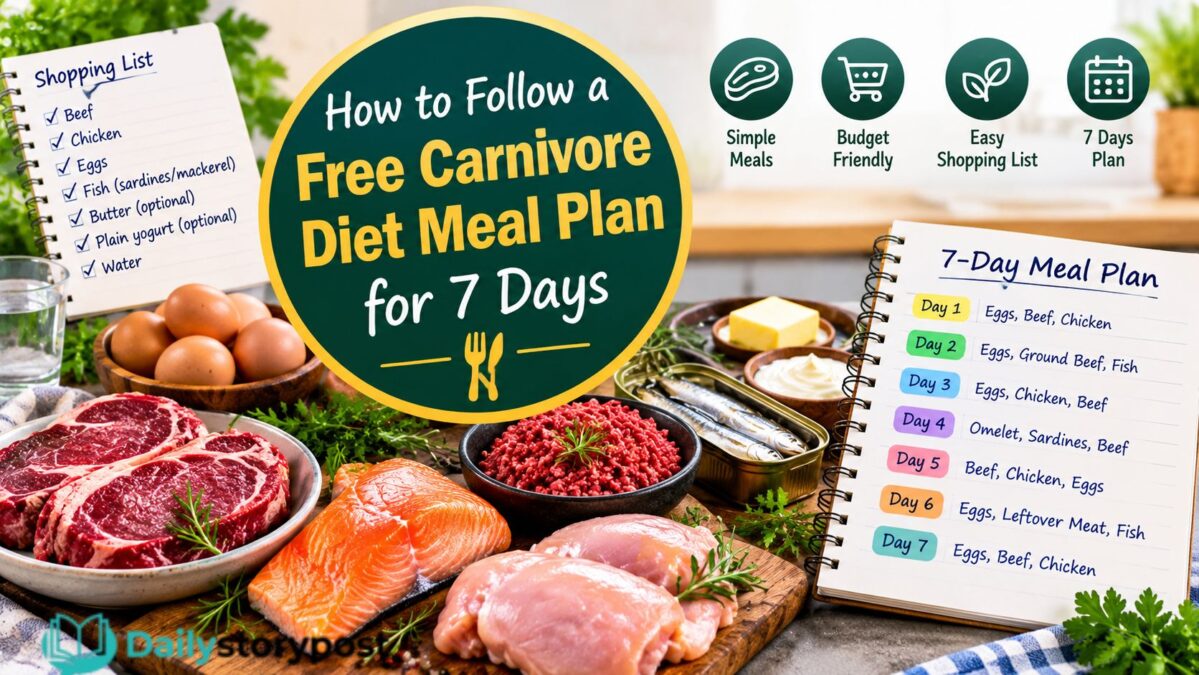
Day 1: Keep Meals Simple
Breakfast: Scrambled eggs with ground beef.
Lunch: Homemade beef patties cooked thoroughly in a pan.
Dinner: Roasted chicken thighs with the skin, if preferred.
The first day focuses on familiar foods that are often easy to prepare. Ground beef can be divided into several portions, while chicken thighs may be economical compared with some other cuts of meat.
Cook the meat thoroughly and avoid relying on raw or undercooked animal products. If you prepare extra food, refrigerate it promptly and use it within a safe storage period.
Day 2: Choose Affordable Protein
Breakfast: Hard-boiled eggs.
Lunch: Ground beef cooked in a skillet.
Dinner: Baked sardines or another affordable fish.
Fish can add variety to a meal plan and provide important nutrients. Sardines, for example, can supply protein, vitamin B12, and omega-3 fatty acids. Some canned varieties also provide calcium when their edible bones are included.
Check the label when buying canned fish because sodium levels vary. Fresh, frozen, and canned options can all be considered according to price, availability, and personal preferences.
Day 3: Add Variety
Breakfast: Eggs served with leftover cooked beef.
Lunch: Roasted or pan-cooked chicken thighs.
Dinner: Beef cooked slowly in water or suitable stock, without vegetables if following a strict version.
Eating the same food repeatedly can become monotonous. Changing the cooking method can make ordinary ingredients feel different without requiring expensive seasonings or specialty products.
If you cook beef in advance, divide it into clean containers and refrigerate or freeze portions appropriately. Do not leave cooked meat sitting at room temperature for extended periods.
Day 4: Prepare Meals Ahead
Breakfast: An omelet, if eggs are part of your chosen version of the diet.
Lunch: Canned sardines or mackerel.
Dinner: Pan-cooked beef.
Preparing meals ahead of time can reduce the temptation to purchase expensive convenience foods. It can also make busy weekdays easier because some of the cooking has already been completed.
People who include dairy may choose plain yogurt or cheese, depending on their dietary preferences and tolerance. However, dairy is not included in every strict carnivore approach, and it should not be treated as essential to the plan.
Day 5: Make the Most of Your Budget
Breakfast: Beef patties.
Lunch: Leftover roasted chicken.
Dinner: Eggs with cooked beef.
A budget-conscious meal plan should use ingredients efficiently. If you purchase a larger package of ground beef, divide it into meal-sized portions before freezing. This makes it easier to use only what you need.
Compare prices by weight rather than looking only at the package price. A cheaper cut may require a longer cooking time, but it could still be a useful option if you have the time and equipment.
Avoid buying expensive products simply because they are marketed specifically for the carnivore diet. Ordinary grocery-store foods are generally enough to prepare basic meals.
Day 6: Keep Cooking Convenient
Breakfast: Boiled eggs and leftover meat.
Lunch: Homemade beef patties.
Dinner: Baked or pan-cooked fish.
This day emphasizes convenience. Eggs can be prepared in advance, and frozen fish can be useful when fresh options are expensive or difficult to find.
Pay attention to how you feel while following a restrictive eating pattern. Persistent constipation, unusual weakness, dizziness, or other concerning symptoms should not be ignored. Stop the restrictive plan and seek medical advice if symptoms are significant or persistent.
Do not assume that discomfort is a necessary part of adapting to the diet.
Day 7: Review the Week
Breakfast: Scrambled eggs with cooked beef.
Lunch: Chicken thighs or leftover beef.
Dinner: A simple fish or meat meal.
At the end of the week, review more than just the cost of your groceries. Consider whether the meals were satisfying, whether preparation took too much time, and whether you experienced any digestive or other symptoms.
Also consider the foods excluded from the plan. A week of simple meals may be easy to organize, but following the same restrictive pattern over a longer period raises additional nutritional questions.
Completing seven days does not prove that the diet is healthy for you or that it will produce a particular result. If your goal is weight management or better overall health, a sustainable, balanced eating pattern may offer a more practical long-term approach.
Free Carnivore Diet Grocery List
A useful grocery list helps you avoid unnecessary purchases and makes meal preparation easier. The quantities you need depend on your household size, appetite, and how frequently you plan to cook.
Basic protein choices
- Ground beef
- Beef suitable for roasting or slow cooking
- Chicken thighs or drumsticks
- Eggs
- Sardines, mackerel, or another suitable fish
- Canned fish for convenient meals
Optional foods, depending on your chosen version
- Butter
- Plain yogurt
- Cheese
- Other tolerated dairy products
Dairy products are optional rather than a requirement. If you have a dairy allergy or intolerance, choose alternatives appropriate to your needs and discuss nutritional concerns with a qualified professional.
You should also have suitable food-storage containers and access to safe drinking water. Check labels for added ingredients, especially when purchasing seasoned meat or canned products.
How to Keep Your Meal Plan Affordable
The cost of a carnivore diet depends on local prices, food choices, portion sizes, and the number of people being fed. There is no reliable single weekly price that applies to everyone.
One practical strategy is to build meals around foods that are affordable where you live. Ground beef, chicken portions, eggs, and canned fish may cost less than premium steaks or specialty meat products, although prices vary by location and season.
Compare the price per kilogram when shopping. Consider frozen options when they offer better value, and buy larger packages only when you can store them safely and use them before they spoil.
Plan several meals around the same ingredient. For example, cooked chicken can be used for lunch one day and another meal later, provided leftovers are handled and stored safely.
Avoid wasting money on products promoted as necessary for the carnivore diet. Special drinks, packaged snacks, and expensive cuts are not required to prepare basic meals.
It is also worth comparing this plan with a balanced diet that includes affordable lentils, beans, vegetables, whole grains, and other nutrient-rich foods. Those foods can provide fiber and important nutrients at a relatively low cost. A meat-only approach is not automatically the cheapest or most nutritionally complete way to eat.
Simple Meal Preparation Tips
Planning ahead is useful when most meals require cooking. Before shopping, decide which meals you intend to prepare and identify ingredients that can be used more than once.
Cook appropriate portions in batches when it saves time. Divide cooked food into shallow containers and refrigerate it promptly. Refrigerate perishable foods within two hours, or within one hour when the surrounding temperature is above 90°F (32°C).
For most cooked leftovers, use them within three to four days when refrigerated at 40°F (4°C) or below, or freeze them for longer storage. Follow local food-safety guidance and discard food that has been stored unsafely.
Use a food thermometer when needed. Ground beef should reach an internal temperature of 160°F (71°C), while poultry should reach 165°F (74°C). Fish should generally reach 145°F (63°C), or be cooked until the flesh is opaque and separates easily with a fork.
Keep raw meat and its juices away from cooked food, clean utensils, and other ready-to-eat items. Wash your hands and kitchen surfaces after handling raw animal products.
These steps help reduce the risk of foodborne illness, which is especially important when preparing several meals in advance.
Is the Carnivore Diet Safe?
The carnivore diet is highly restrictive, and its long-term effects have not been adequately studied in large, high-quality clinical trials. Evidence about balanced dietary patterns cannot automatically be applied to an eating plan that removes nearly all plant foods.
One concern is the lack of dietary fiber. Fiber supports normal bowel function and is found in foods such as vegetables, fruits, legumes, and whole grains. Removing these foods can reduce fiber intake substantially and may cause constipation or other digestive changes.
Another concern is nutritional adequacy. Animal foods provide protein, vitamin B12, iron, zinc, and other nutrients, but a narrow selection of foods may not supply every nutrient in appropriate amounts. The exact risk depends on food choices and individual circumstances.
The amount and type of fat consumed also matter. Diets high in saturated fat can raise LDL cholesterol in some people, which is an established risk factor for cardiovascular disease. If you are considering this eating pattern, discuss cholesterol testing and other relevant monitoring with your healthcare professional.
There is also a difference between short-term personal reports and strong evidence of long-term health outcomes. Claims that a carnivore diet cures disease, guarantees weight loss, or works better than all other diets should be treated cautiously.
For many people, a varied eating pattern that includes vegetables, fruits, legumes, whole grains, healthy fats, and suitable protein sources offers a better-established foundation for meeting nutritional needs.
Common Mistakes to Avoid
Assuming weight loss is guaranteed: Body weight changes depend on overall energy intake, activity, health, and many other factors. No meal plan can guarantee a specific result.
Ignoring digestive problems: A major reduction in fiber can affect bowel habits. Persistent or severe symptoms deserve professional attention rather than being dismissed as normal adjustment.
Choosing too few foods: Repeating only one or two foods can make nutritional gaps more likely. Greater variety within animal foods may help provide different nutrients, but it does not guarantee that a restrictive diet is complete.
Forgetting food safety: Meat and fish must be handled, cooked, refrigerated, and frozen appropriately to reduce the risk of foodborne illness.
Treating online advice as medical guidance: A general meal plan cannot account for allergies, medical conditions, medication use, or individual nutritional requirements.
Continuing despite health concerns: If the plan causes significant symptoms or conflicts with medical advice, do not force yourself to continue. Seek qualified guidance and consider a less restrictive alternative.
Frequently Asked Questions
Can I follow a carnivore diet on a tight budget?
It may be possible to reduce grocery costs by choosing economical cuts of meat, eggs, frozen chicken, and canned fish. Compare local prices and plan meals carefully. However, the total cost depends on appetite, location, and individual needs, and a balanced diet containing plant-based protein may be less expensive.
What can I eat on a 7-day carnivore diet meal plan?
Common choices include beef, chicken, fish, and eggs. Some versions also include dairy products such as cheese or plain yogurt. Strict versions exclude plant foods. These options are examples rather than a guarantee of complete nutrition.
Can beginners follow a carnivore diet meal plan?
Beginners can use a meal plan to organize grocery shopping and cooking, but simplicity does not make the diet suitable for everyone. Because it excludes many nutrient-rich foods, it is sensible to discuss the plan with a qualified healthcare professional before starting.
Do I need supplements on the carnivore diet?
Supplement needs depend on your overall intake, health, and individual nutritional status. Supplements cannot automatically correct every dietary gap, and taking unnecessary amounts may cause harm. A qualified healthcare professional or registered dietitian can help assess whether supplementation is appropriate.
Is the carnivore diet suitable for long-term use?
There is insufficient strong evidence to establish the long-term safety of a strict carnivore diet. Potential concerns include low fiber intake, nutritional deficiencies, and elevated LDL cholesterol in some people. A more varied eating pattern has a stronger evidence base for meeting long-term nutritional needs.
Conclusion
A free carnivore diet meal plan can provide a simple way to organize seven days of animal-based meals, create a grocery list, and prepare food at home without purchasing an expensive program. Ground beef, chicken, eggs, and affordable fish can form the basis of straightforward meal ideas.
However, convenience and low preparation costs do not guarantee nutritional adequacy. The carnivore diet removes many foods that provide fiber, vitamins, minerals, and other beneficial compounds, and its long-term health effects remain uncertain.
Before adopting this restrictive approach, consider your personal health, food budget, and nutritional needs. If you are pursuing weight management or better overall health, discuss sustainable options with a qualified healthcare professional who can help you choose an eating pattern that is both practical and nutritionally balanced.
Frequently Asked Questions
1. What is a free carnivore diet meal plan?
A free carnivore diet meal plan is a meal guide that focuses on animal-based foods such as beef, chicken, fish, and eggs without requiring a paid meal-planning service.
2. Can beginners follow a free carnivore diet meal plan for 7 days?
Beginners can use a seven-day plan to organize meals and grocery shopping. However, the diet is restrictive, so it is important to understand its nutritional risks before starting.
3. What foods can I eat on a 7-day carnivore diet?
Common choices include beef, chicken, fish, and eggs. Some versions allow dairy products, while strict versions exclude them and all plant foods.
4. How can I follow a carnivore diet on a budget?
Choose affordable meat cuts, eggs, frozen chicken, and canned fish. Compare local prices, prepare meals at home, and store leftovers safely to reduce food waste.
5. Is a carnivore diet safe for long-term use?
Long-term safety is not well established. The diet may lack fiber and certain nutrients, and high saturated fat intake can raise LDL cholesterol in some people. Consult a qualified healthcare professional before starting.

Baking soda has been sitting in kitchen cabinets for generations, usually waiting to help baked goods rise, freshen surfaces, or deal with an occasional household problem. More recently, it has also appeared in online weight-loss advice, with claims that drinking baking soda mixed with water, lemon, or other ingredients can help burn fat.
That idea sounds simple, but there is an important difference between a popular home remedy and something supported by good evidence.
If you are searching for a baking soda recipe to lose weight, the first thing to understand is that baking soda is not a proven fat-burning ingredient. Sodium bicarbonate, the chemical name for baking soda, has legitimate medical and sports-related uses, but those uses are different from weight management. Medical sources describe oral sodium bicarbonate primarily as an antacid and as a treatment for certain acid-base problems.
This does not mean that every claim about baking soda is completely meaningless. It means the subject needs a closer look. Understanding what baking soda actually does can help you avoid wasting time—or putting too much of it into your body—in the hope of losing weight.
BIO
| Label | Information |
|---|---|
| Topic | Baking Soda Recipe to Lose Weight |
| Main Ingredient | Baking soda (sodium bicarbonate) |
| Common Use | Cooking and household use |
| Weight-Loss Claim | Not proven to burn body fat |
| Recipe Type | Homemade drink trend |
| Common Mix | Water, sometimes lemon |
| Main Concern | High sodium intake |
| Possible Effects | Stomach discomfort and bloating |
| Excessive Use | May disturb acid-base balance |
| Evidence | No established weight-loss benefit |
| Safer Approach | Balanced diet and regular activity |
| Best Advice | Use baking soda only for appropriate purposes |
| Professional Help | Consult a healthcare professional when needed |
What Is Baking Soda?
Baking soda is commonly known as sodium bicarbonate. It is an alkaline compound that can react with acids.
In cooking, this reaction is useful because it can produce carbon dioxide gas, helping certain foods rise. In medicine, sodium bicarbonate can be used as an antacid to temporarily relieve heartburn and acid indigestion. It may also be prescribed in specific medical situations when reducing acidity is necessary.
The word “sodium” is important here. Baking soda is not simply a neutral powder that passes through the body without consequences. It contributes sodium to the diet, which is one reason people with sodium restrictions or certain health conditions need to be cautious.
For example, one current over-the-counter baking soda label states that a half-teaspoon contains 656 milligrams of sodium. That is a substantial amount for such a small quantity.
So, although baking soda is familiar and inexpensive, it should not automatically be considered harmless when consumed.
Can Baking Soda Help You Lose Weight?
This is the most important question.
At present, there is no established baking soda recipe proven to make the body burn fat or produce meaningful weight loss.
Baking soda does not work like a recognized weight-loss medication. It does not directly remove stored body fat, and drinking it does not replace the basic factors involved in losing weight, such as energy intake, physical activity, food choices, sleep, and long-term habits.
Some of the confusion may come from the fact that sodium bicarbonate has been studied in sports. Research summarized by the U.S. National Institutes of Health indicates that sodium bicarbonate may provide a small performance benefit during certain types of short, intense exercise. However, that research concerns exercise performance rather than using baking soda as a weight-loss treatment.
That distinction matters.
Why Do People Use Baking Soda for Weight Loss?
The popularity of baking soda for weight loss appears to come largely from online wellness advice and the idea that changing the body’s acidity or alkalinity could somehow increase fat burning.
The human body, however, already has sophisticated systems for maintaining its acid-base balance. The lungs and kidneys play major roles in controlling this balance.
Adding an alkaline substance does not simply “alkalize” the entire body in a way that automatically burns fat. Too much bicarbonate can actually disturb the body’s normal acid-base balance. MedlinePlus explains that excessive bicarbonate can contribute to alkalosis, a condition in which body fluids become excessively alkaline.
This is one reason the idea should not be approached as a harmless kitchen experiment.
How to Make a Baking Soda Recipe to Lose Weight

There is an important correction to make here: there is no medically established baking soda recipe that has been shown to cause weight loss.
You may see recipes online that combine baking soda with water, lemon juice, apple cider vinegar, or other ingredients. However, adding another ingredient does not turn baking soda into a scientifically proven fat-burning drink.
For that reason, it would be misleading to provide a specific homemade dose and present it as a weight-loss treatment.
If sodium bicarbonate has been recommended to you for a medical reason, use the product according to its official directions or your healthcare professional’s instructions. MedlinePlus advises that sodium bicarbonate should be taken exactly as directed and notes that powdered sodium bicarbonate should be measured carefully and dissolved in water when used orally.
That is very different from taking baking soda specifically to lose weight.
A safer approach is to treat baking soda as a food ingredient or medication with specific uses, rather than as a daily weight-loss supplement.
Baking Soda and Lemon Water
One of the most common combinations discussed online is baking soda with lemon water.
Lemon can add flavor and make plain water more appealing. Drinking more water can also be useful when it replaces high-calorie drinks such as sugary sodas or sweetened beverages.
But the lemon does not give baking soda a special fat-burning ability.
When baking soda and an acidic ingredient such as lemon juice are mixed, they react with each other. This produces carbon dioxide, which is why the mixture can fizz. The reaction is chemistry, not evidence that body fat is being burned.
If you enjoy lemon water, you can simply drink lemon-infused water without adding baking soda. It is an easier way to make water more enjoyable without unnecessarily adding sodium.
Baking Soda and Water
Another popular idea is mixing baking soda directly with water.
Water itself can be an excellent beverage choice, especially when it replaces calorie-containing drinks. But the benefit comes from the water and the overall dietary pattern—not from baking soda melting away body fat.
Adding baking soda does not make water a proven weight-loss drink.
More importantly, increasing the amount of baking soda does not increase its supposed weight-loss effect. There is no reason to assume that more is better, and excessive oral bicarbonate consumption can be dangerous.
A published medical case review has documented risks associated with excessive bicarbonate ingestion, including metabolic alkalosis, high blood sodium, low potassium, high blood pressure, fluid-related problems, and other complications.
What Are the Risks?
The biggest concern with using baking soda for weight loss is that people may think a common kitchen product is automatically safe in large quantities.
It is not.
Sodium bicarbonate can cause gastrointestinal symptoms such as gas and stomach cramps, while more serious problems can occur with inappropriate or excessive use. MedlinePlus also warns about symptoms such as nausea, weakness, swelling, and other potentially serious reactions.
Another concern is sodium.
Because baking soda contains sodium, regular consumption can add a considerable amount of sodium to the diet. This can be especially important for people who have been advised to follow a sodium-restricted diet.
Excess bicarbonate can also interfere with the body’s acid-base balance. Alkalosis can involve symptoms such as nausea, vomiting, confusion, muscle twitching, tingling, and electrolyte disturbances.
These are not reasonable trade-offs for an unproven weight-loss method.
Who Should Be Especially Careful?
Some people should not experiment with oral baking soda without professional guidance.
MedlinePlus specifically advises people to tell their healthcare provider if they have high blood pressure, congestive heart failure, kidney disease, or a sodium-restricted diet. It also recommends discussing pregnancy or breastfeeding before using sodium bicarbonate.
People taking prescription medicines should also check with a doctor or pharmacist because sodium bicarbonate can interact with medicines and may need to be separated from certain medications.
This is particularly important because someone may already be getting significant sodium from food. Adding baking soda on top of that can make the overall intake higher than expected.
Common Myths About Baking Soda
Baking Soda Burns Belly Fat
There is no good evidence establishing baking soda as a belly-fat-burning treatment.
Belly fat decreases as part of overall body-fat reduction. A drink cannot selectively tell the body to remove fat from one particular area.
Baking Soda Detoxes the Body
The body already has organs responsible for processing and removing waste, including the liver and kidneys.
There is no need to rely on a baking soda drink as a special detox treatment.
More Baking Soda Means Faster Results
This is one of the most dangerous assumptions.
A larger amount does not turn baking soda into a stronger weight-loss product. It simply increases exposure to sodium bicarbonate and its potential adverse effects.
Lemon Makes Baking Soda a Fat Burner
Lemon water can be a pleasant low-calorie beverage, but combining lemon with baking soda does not create a clinically established fat-burning formula.
The fizz you see is primarily a chemical reaction between an acid and bicarbonate.
Better Ways to Support Weight Loss
If your real goal is to lose excess body fat, it makes more sense to focus on habits that can be maintained for months rather than looking for one special drink.
Choose Filling Foods
Meals built around vegetables, fruits, beans, whole grains, lean protein, and other nutrient-rich foods can make it easier to manage hunger.
Protein and fiber are particularly useful parts of a balanced eating pattern because they can help meals feel more satisfying.
Watch Liquid Calories
One simple change can be replacing sugary drinks with water or other unsweetened beverages.
This does not require baking soda.
If you enjoy lemon water, adding lemon for flavor can make plain water more appealing.
Stay Physically Active
Walking, cycling, swimming, resistance training, sports, and other activities can all contribute to an active lifestyle.
The best activity is often the one you can realistically continue.
Pay Attention to Portions
Healthy foods can still contribute significant calories when eaten in very large portions.
Instead of completely eliminating favorite foods, many people find it more practical to adjust portions and build meals around nutritious foods.
Get Enough Sleep
Sleep is often overlooked when people think about weight management.
A consistent sleep routine supports overall health and can make it easier to maintain healthy eating and activity habits.
Focus on Consistency
A dramatic diet may work for a short period and then become difficult to maintain.
A slower approach based on realistic meals, regular movement, and sustainable habits is generally more practical than depending on an unproven home remedy.
When Should You Talk to a Professional?
If you are trying to lose a significant amount of weight, have a chronic medical condition, or take prescription medication, it is worth speaking with a healthcare professional before starting unusual supplements or home remedies.
This is especially important if you are considering regular oral baking soda.
A doctor or registered dietitian can help determine whether your weight-loss goal is appropriate and suggest an eating and activity plan based on your individual situation.
If you have already consumed a large amount of baking soda and develop severe stomach pain, repeated vomiting, weakness, confusion, breathing problems, or other serious symptoms, seek urgent medical attention.
Frequently Asked Questions
Does baking soda burn body fat?
No proven evidence shows that drinking baking soda directly burns body fat. Sodium bicarbonate has other legitimate uses, including antacid use and certain sports-performance applications, but these should not be confused with weight-loss treatment.
Can I drink baking soda every day to lose weight?
It is not advisable to use baking soda every day as a weight-loss method without medical guidance. Regular or excessive intake can increase sodium exposure and may affect the body’s acid-base and electrolyte balance.
Is baking soda and lemon water good for weight loss?
Lemon water can be a low-calorie alternative to sugary beverages, but adding baking soda does not make it a proven weight-loss drink. The combination should not be promoted as a fat-burning recipe.
How much baking soda should I take for weight loss?
There is no established weight-loss dose of baking soda. Official sodium bicarbonate products have specific directions for their approved uses, and those directions should not be repurposed as a weight-loss prescription.
What is a safer way to lose weight?
A safer approach generally involves a balanced eating pattern, appropriate portions, regular physical activity, adequate sleep, and habits that can be maintained over time. People with specific health needs should seek individualized advice from a healthcare professional.
Final Thoughts
The search for a baking soda recipe to lose weight is understandable. Simple home remedies are attractive because they seem inexpensive, convenient, and easy to add to a daily routine.
However, baking soda should not be treated as a proven weight-loss ingredient.
Sodium bicarbonate has useful and well-established purposes, but those purposes do not include directly burning body fat. It also contains a meaningful amount of sodium and can cause health problems when used improperly or excessively.
If your goal is sustainable weight loss, put your attention on the basics: nutritious meals, sensible portions, regular movement, good sleep, and consistency. Those habits may not sound as exciting as a quick homemade recipe, but they provide a much more sensible foundation for long-term health.
In short, there is no proven baking soda recipe that can safely replace the fundamentals of weight management. If you want to use sodium bicarbonate for a medical reason, follow the product directions or your healthcare professional’s advice rather than using it as a weight-loss shortcut.
FAQs
Does baking soda help with weight loss?
There is no strong evidence that baking soda directly burns body fat or causes meaningful weight loss. It should not be considered a proven weight-loss treatment.
Can I drink baking soda and lemon water for weight loss?
Lemon water can be a low-calorie drink, but adding baking soda does not make it a proven fat-burning beverage. Excessive baking soda may also cause health problems.
How much baking soda should I drink to lose weight?
There is no medically established dose of baking soda for weight loss. Taking excessive amounts can increase sodium intake and disturb the body’s acid-base balance.
Is it safe to drink baking soda every day?
Daily use for weight loss is not recommended without medical guidance. Baking soda contains sodium and excessive intake can cause stomach problems and other complications.
What is a safer way to lose weight?
A balanced diet, sensible portions, regular physical activity, adequate sleep, and consistent healthy habits provide a more reliable approach to weight management.

ByAhmad Raza
Must read
Exploring Modern Online Slot Gaming: Features, Strategies, and Responsible Play
7 Daily Oral Health Habits That Will Save You Thousands at the Dentist
Decorative Rock Ideas for Low-Maintenance Landscaping
Essential Business Leadership Skills for Startup Company Management
Introduction to Healthy Breakfasts
Breakfast is often considered the most important meal of the day, especially for individuals leading an active lifestyle. This initial meal not only breaks the overnight fast but also provides the essential nutrients and energy required to kickstart the day effectively. A healthy breakfast can significantly impact performance, mood, and overall well-being. It serves as the foundation upon which an individual’s dietary habits are built and sets the tone for a productive day.
For those engaged in regular physical activity, consuming a nutritious breakfast is crucial. This is because it replenishes glycogen stores that may be depleted overnight, ensuring optimal energy levels to sustain both physical and mental endeavors throughout the day. A balanced breakfast, rich in complex carbohydrates, proteins, and healthy fats, fuels the body and primes it for activity, while also enhancing recovery from exercise.
Moreover, studies have shown that individuals who prioritize a healthy breakfast tend to maintain better weight management and experience lower levels of fatigue. Such meals offer an array of benefits, including improved concentration, enhanced metabolic rates, and support for muscle growth or repair. Incorporating whole grains, fruits, and lean proteins into breakfast promotes long-lasting satiety, reducing the likelihood of unhealthy snacking later in the day.
Thus, the importance of a healthy breakfast cannot be understated, particularly for those pursuing an active lifestyle. It lays the groundwork for making healthier food choices throughout the day and contributes to overall physical health and performance. As we dive deeper into meal plans, we will explore various options that effectively cater to the nutritional needs of those engaged in an active lifestyle.
Benefits of a Nutritious Breakfast

Starting the day with a nutritious breakfast is fundamental to enhancing overall health and well-being. One of the primary benefits of consuming a healthy breakfast is improved concentration. Studies have shown that a balanced meal in the morning can significantly enhance cognitive functions, including memory retention and problem-solving abilities. This is particularly beneficial for students and professionals who require peak mental performance throughout the day.
Moreover, a nutritious breakfast plays a vital role in increasing energy levels. Foods rich in complex carbohydrates, proteins, and healthy fats provide sustained energy, which is essential for daily activities and physical performance. This energy boost can keep individuals alert and engaged in their tasks, leading to more productivity both at work and during exercise routines.
Another important aspect of a healthy breakfast is its potential for better weight management. Eating a well-balanced first meal of the day can help regulate appetite and influence feelings of fullness. This means individuals are less likely to indulge in unhealthy snacks later, aligning their choices with a healthier diet overall. Furthermore, ensuring an adequate intake of essential nutrients from breakfast can directly affect metabolism.
A balanced breakfast not only fuels the body but also promotes healthier decision-making throughout the day. When individuals begin their day with nutritious foods, they are more inclined to choose healthier options for lunch and dinner, creating a positive cycle of wellbeing. In summary, incorporating a well-rounded breakfast into one’s routine can yield numerous benefits, from improved concentration and energy levels to enhanced physical performance and better dietary choices throughout the day.
Key Nutrients for Active Individuals
For those leading an active lifestyle, a well-balanced breakfast is crucial. An effective breakfast should be rich in key nutrients that fuel the body and support recovery. The primary macronutrients necessary for active individuals include carbohydrates, proteins, and healthy fats. Each plays a significant role in maintaining energy levels and overall health.
Carbohydrates serve as the body’s primary energy source, particularly for physically demanding activities. Incorporating whole grains, fruits, and vegetables provides complex carbohydrates that release energy gradually, preventing spikes in blood sugar levels. Examples include oats, whole grain bread, and fruits like bananas or berries. These options not only give energy but also deliver essential fiber, aiding in digestion.
Proteins are vital for muscle repair and growth, making them essential for active individuals, especially post-exercise. Including lean protein sources such as eggs, Greek yogurt, or cottage cheese in breakfast can significantly enhance recovery and promote satiety. This helps maintain muscle mass while providing lasting energy throughout the day.
In addition to macronutrients, healthy fats also play an important role in breakfast for active individuals. Sources such as avocados, nuts, and seeds can provide essential fatty acids, which are crucial for hormone production and nutrient absorption. These fats help sustain energy levels and can improve overall cognitive function.
Furthermore, micronutrients like vitamins and minerals must not be overlooked. These nutrients help support metabolic processes and contribute to energy production. Foods rich in vitamins B and C, along with minerals like magnesium and zinc, play a role in energy metabolism and immune function, making them indispensable for anyone with an active lifestyle.
Sample Meal Plans for Different Activity Levels
Crafting the perfect breakfast meal plan requires consideration of an individual’s level of physical activity. Different intensities of exercise demand varied nutritional needs. Below are sample breakfast plans tailored for low, medium, and high intensity activities. Each plan emphasizes balanced nutrition to support energy levels and overall health.
Low Intensity Activity: For those engaging in minimal physical activity, a simpler breakfast can still pack a nutritional punch. A good option might be a bowl of oatmeal topped with sliced bananas and a sprinkle of cinnamon. This combination provides carbohydrates for energy and fiber for sustained fullness. Pair it with a glass of low-fat milk or a dollop of Greek yogurt to enhance protein intake. An alternative meal could be a slice of whole-grain toast with avocado and a poached egg, offering healthy fats and proteins to start the day.
Medium Intensity Activity: Individuals exercising at a moderate level may benefit from slightly more substantial breakfast options. A hearty breakfast burrito filled with scrambled eggs, black beans, diced bell peppers, and a sprinkle of cheese is an excellent choice, as it combines proteins, healthy fats, and fiber. Another satisfying meal could be a smoothie made with spinach, frozen berries, banana, and protein powder, offering a refreshing balance of nutrients while being easy to digest pre-workout.
High Intensity Activity: For those involved in rigorous activity, a breakfast high in carbohydrates, protein, and healthy fats is essential for optimal performance. A large bowl of quinoa mixed with berries, nuts, and a splash of almond milk can provide sustained energy. Alternatively, a protein-packed omelet with vegetables, turkey sausage, and whole-grain toast can fuel intense workouts efficiently, ensuring that the body’s nutritional demands are met.
Quick and Easy Breakfast Ideas
Starting your day on a nutritious note is vital, especially for individuals leading active lifestyles. However, the demands of a busy morning can often lead to hasty meal decisions that sacrifice nutritional value. Therefore, having quick and easy breakfast options can significantly enhance morning routines without compromising health.
One popular option is overnight oats, which can be prepared the night before. By combining rolled oats, yogurt, and your choice of milk, you can create a satisfying and fiber-rich meal. Add in fruits like bananas or berries, along with a sprinkle of nuts or seeds for added texture and nutrients. This convenient breakfast is not only delicious but also provides sustained energy throughout your morning.
Another time-efficient choice is smoothie bowls. By blending leafy greens, frozen fruits, and a liquid base such as almond milk, you can whip up a delightful and refreshing breakfast in just a few minutes. Pour the mixture into a bowl and top it with granola, sliced fruits, and chia seeds for additional health benefits. Smoothie bowls are versatile and allow you to experiment with different flavors and ingredients, fitting seamlessly into an active lifestyle.
If you’re looking for something warm, consider making scrambled eggs. This dish is both quick to prepare and packed with protein. Simply whisk some eggs and cook them in a pan; you can add spinach, tomatoes, or even avocado for additional nutrition. Pair your scrambled eggs with whole-grain toast for a balanced meal that can be enjoyed on the go.
For those who prefer a sweet start, Greek yogurt parfaits can be assembled in minutes. Layer Greek yogurt with your favorite fruits and a sprinkling of granola for a satisfying breakfast. The protein from yogurt will provide energy for your busy day ahead.
Incorporating these quick and easy breakfast ideas into your routine can play a crucial role in managing an active lifestyle while ensuring adequate nutrition. With a bit of planning, nutritious breakfasts can become an integral part of a healthy morning regimen.
Incorporating Seasonal Ingredients
Incorporating seasonal ingredients into your breakfast meals is not only beneficial for enhancing flavor, but it also supports a healthier diet. Seasonal ingredients, including fruits and vegetables, are harvested at their peak ripeness, resulting in optimal nutrient levels and taste. By focusing on fresh, in-season produce, you can elevate the overall quality of your breakfast while making more sustainable food choices.
Choosing fruits and vegetables that are currently in season can lead to numerous health benefits. For example, spring and summer months frequently yield an abundance of berries, stone fruits, and leafy greens, which are rich in antioxidants, vitamins, and minerals. As the seasons change, so do the varieties of produce. Fall brings hearty squash and apples, while winter offers citrus fruits that provide essential vitamin C during cold months. Understanding which ingredients are in season not only enhances your nutrition but also supports local farmers and economies.
To incorporate seasonal ingredients into your breakfast plans, consider visiting local farmer’s markets or grocery stores that prioritize seasonal purchasing. Look for fruits and vegetables that have vibrant colors and strong aromas, as these typically indicate freshness and flavor. Numerous breakfast options can utilize seasonal ingredients, such as smoothie bowls topped with fresh berries in summer or oatmeal enhanced with baked apples and cinnamon in autumn.
Ultimately, integrating seasonal ingredients into your meal plans encourages variety and promotes dietary diversity, which is essential for a balanced and wholesome diet. By consciously selecting seasonal options, you not only enjoy enhanced flavor and nutrient content but also contribute positively to environmental sustainability through responsible agriculture practices.
Avoiding Common Breakfast Pitfalls
Breakfast is often regarded as the most important meal of the day, yet many individuals fail to recognize its impact on overall health and wellness. One of the most prevalent mistakes is skipping breakfast altogether. In doing so, individuals may find themselves deprived of essential nutrients and energy, which can lead to overeating later in the day. To combat this, it is vital to allocate time in the morning for a nourishing breakfast, even if it is a quick option.
Another common pitfall is selecting breakfast items laden with added sugars, such as sugary cereals or pastries. These items may offer instant gratification but can lead to energy crashes later due to their high glycemic index. Instead, opting for whole grains or oatmeal topped with fresh fruit can provide sustained energy and essential nutrients. Incorporating sources of protein, such as eggs or yogurt, can further enhance satiety and support muscle function.
In addition, many individuals may not consider portion sizes for their breakfast meals, which can inadvertently result in excessive caloric intake. It is essential to be mindful of serving sizes and choose balanced portions of carbohydrates, protein, and healthy fats to optimize both energy levels and nutrient absorption. Meal prepping can be an effective strategy to prepare healthy breakfast options in advance, thus minimizing the temptation of less nutritious choices during busy mornings.
Finally, staying hydrated is another aspect often overlooked during breakfast. Starting the day with a glass of water can help kickstart metabolism and improve digestion. By avoiding these common breakfast pitfalls and making informed choices, individuals can set a positive tone for their day and power their active lifestyles with nutritious, balanced meals.
Eating Breakfast on the Go
In today’s fast-paced world, finding time to enjoy a nutritious breakfast can be challenging, especially for those with active lifestyles. However, a healthy breakfast is essential as it provides the necessary energy and nutrients to kick-start your day. Here are practical tips for consuming breakfast while on the move.
Prior planning is crucial when it comes to eating breakfast on the go. First, consider meal prepping. Take a few hours on the weekend to prepare grab-and-go breakfasts that are easy to pack. Options such as overnight oats, smoothie packs, or healthy muffins can be made in bulk and stored in the refrigerator or freezer. This way, you can simply grab a portion in the morning and be on your way.
When selecting portable breakfast options, it is vital to prioritize nutritional value. Look for foods that are rich in protein, fiber, and healthy fats to keep you feeling full throughout the morning. Greek yogurt with fruit and nuts, whole-grain wraps filled with eggs and vegetables, or nut butter on whole-grain bread with banana slices are excellent choices. These meals can be prepared in advance and are easy to consume during your commute.
Furthermore, incorporating snacks can supplement your breakfast when time is tight. Stocking healthy snacks like trail mix, energy bars, or fresh fruit can provide a quick boost of energy if your schedule doesn’t allow for a sit-down meal. It’s also important to keep hydrated; carry a reusable water bottle to encourage adequate hydration alongside your breakfast choices.
Ultimately, by planning meals ahead and being thoughtful about portable options, you can ensure that you maintain a nutritious breakfast routine, even when you’re busy. This proactive approach not only supports your energy levels but also contributes positively to your overall health.
Conclusion and Final Thoughts
In conclusion, a nutritious breakfast is a cornerstone of a healthy lifestyle, especially for those who lead an active life. The importance of starting the day with a balanced meal is paramount, as it not only provides essential nutrients but also fuels energy levels and supports overall well-being. Throughout this blog post, we have highlighted various healthy breakfast meal plans that cater to different preferences and dietary needs, ensuring that everyone can find suitable options.
Additionally, it is vital to understand that breakfast does not need to be monotonous or time-consuming. With the right planning and creativity, individuals can enjoy a diverse range of breakfast options that keep them satisfied and motivated for the day ahead. Meals rich in whole grains, proteins, healthy fats, and a variety of fruits and vegetables can significantly enhance both physical performance and mental clarity.
As you embark on your journey to establish a consistent and healthy breakfast routine, we encourage you to experiment with different ingredients and recipes. This will not only help in discovering new flavors and combinations but will also allow for flexibility, aligning with personal taste preferences and nutritional goals. Making informed choices and prioritizing breakfast can lead to significant health benefits, promoting better concentration, improved mood, and sustained energy levels throughout the day.
Ultimately, remember that a well-organized breakfast plan can serve as a vital tool in managing your overall lifestyle. Embrace the opportunity to create a meal that is nourishing, enjoyable, and supportive of your daily activities. Here’s to healthier mornings and more productive days ahead!
FAQs
1. Why is a healthy breakfast important for an active lifestyle?
A healthy breakfast provides energy, supports concentration, and supplies nutrients needed for daily activities and exercise.
2. What nutrients should an active person include at breakfast?
Carbohydrates, protein, healthy fats, vitamins, and minerals are important for energy, recovery, and overall well-being.
3. What are some quick healthy breakfast options?
Overnight oats, smoothie bowls, scrambled eggs, and Greek yogurt parfaits are quick and nutritious choices.
4. What is a good breakfast before intense activity?
A meal containing carbohydrates, protein, and healthy fats can help provide sustained energy for demanding physical activity.
5. How can I maintain a healthy breakfast routine when I am busy?
Meal prepping options such as overnight oats, smoothie packs, and portable egg or yogurt meals can make healthy breakfasts easier to manage.


 Celebrity4 months ago
How Tall Is Glen Powell? Height, Facts, and More
- Celebrity4 months ago
Fielder Jewett Age: Everything We Know About Him in 2026
- Technology4 months ago
How Simpcitt Is Changing the Way People Think Today
- Celebrity4 months ago
Who Is Meredith Schwarz? Key Facts You Should Know
- Home Safety4 months ago
How KDArchitects Landscape Ideas by Morph Transform Outdoor Spaces
- Business4 months ago
How Driving Modes in Cadillac Lyriq Impact Range and Efficiency
- Food & Drink4 months ago
Where to Find the Best Piononos de Santa Fe Near Me Today
- Business4 months ago
How to Buy Milohacherry Coin Safely and Get Started Today